PhantomRaven Campaign Uses 88 Malicious npm Packages to Steal Developer Secrets
Supply Chain Risk · 2 sources · Updated 5mo ago · First seen Mar 13, 2026
Researchers reported a renewed PhantomRaven software supply chain campaign on the npm registry involving 88 malicious packages masquerading as trusted JavaScript ecosystem projects, including packages themed around Babel and GraphQL Codegen. The packages were published across three waves from late 2025 into early 2026 and were designed to automatically fetch and run malware after installation, targeting developers and build environments rather than end users. The activity is not fluff: it is a substantive threat intelligence and malware distribution story involving active credential theft through open-source package abuse.
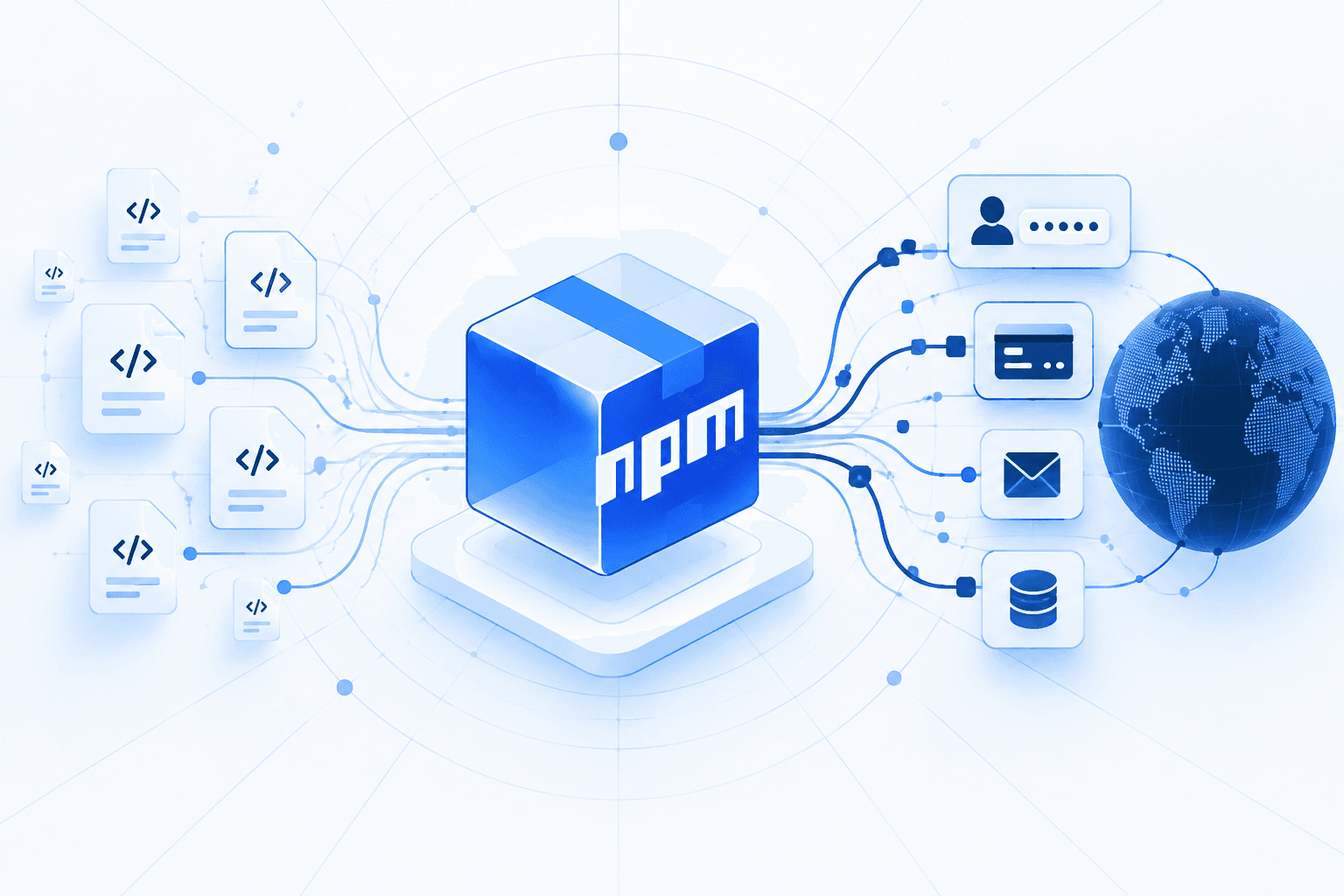
The malware exfiltrates sensitive data from developer systems and CI/CD environments, including emails and configuration data from .npmrc, .gitconfig, and environment variables, as well as tokens for GitHub, GitLab, CircleCI, and Jenkins. Reporting indicates PhantomRaven has kept core infrastructure and payload behavior broadly consistent since earlier activity, while adapting operational details by rotating npm and email accounts, changing package metadata and PHP endpoints, and increasing the pace of malicious package publication. Most of the packages were reportedly still available for download at the time of reporting, underscoring continued exposure for organizations that rely on npm-based development workflows.
Why it matters
Impact assessment
PhantomRaven is a direct supply-chain threat to organizations with JavaScript development workflows, especially engineering teams, build servers, and CI/CD environments that consume npm packages. The primary impact is credential theft and downstream compromise risk: stolen GitHub, GitLab, CircleCI, Jenkins, and developer configuration data can enable source-code access, pipeline tampering, secret reuse, and broader cloud or production intrusion.
The exposure is potentially widespread because the campaign abused the public npm registry and impersonated trusted ecosystem projects such as Babel and GraphQL Codegen. There is confirmed malicious activity in the wild through 88 published packages across three waves from November 2025 to February 2026, and most packages were reportedly still available for download at the time of reporting.
Affected populations
- JavaScript and Node.js developers
- Organizations using npm in local development or CI/CD pipelines
- Build environments with access to source repositories and deployment credentials
- Enterprises relying on GitHub, GitLab, CircleCI, or Jenkins tokens stored in developer systems or environment variables
Severity and business risk
- Theft of developer and CI/CD secrets can lead to repository compromise, malicious code insertion, and software release tampering
- Exposure of
.npmrc,.gitconfig, and environment variables can reveal credentials, emails, internal configuration, and access tokens - Compromise of build infrastructure can create operational disruption and reputational damage through poisoned builds or unauthorized releases
Scope and incident status
- 88 malicious npm packages were identified
- Packages impersonated legitimate JavaScript ecosystem projects
- Activity occurred in three waves between November 2025 and February 2026
- Researchers reported the packages were still downloadable at the time of reporting
- This is active malicious package distribution, not a theoretical risk or historical-only report