npm Supply-Chain Attacks Steal Developer Tokens and Enable Cloud Compromise
Supply Chain Risk · 2 sources · Updated 5mo ago · First seen Mar 11, 2026
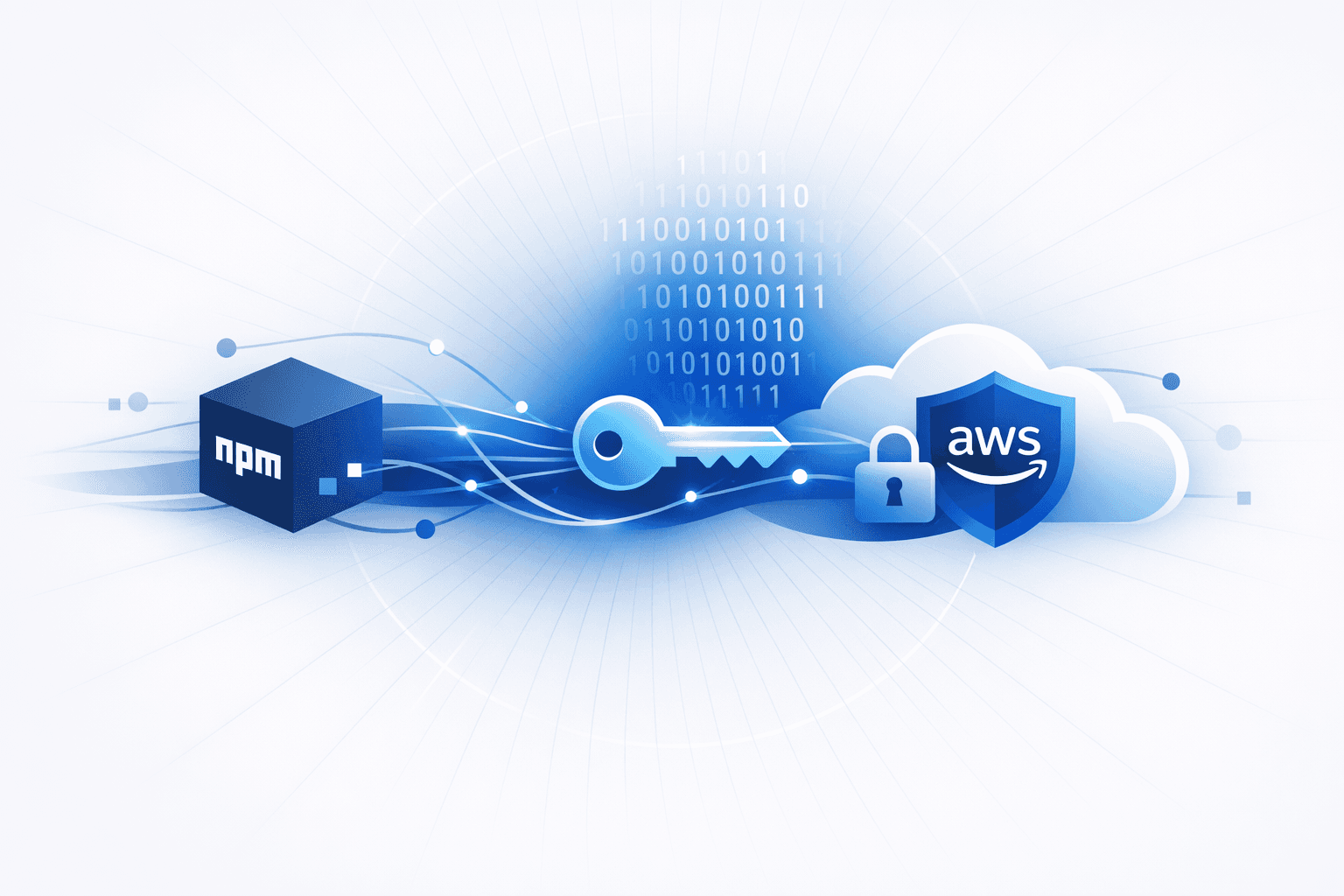
Threat actors are using malicious npm packages to steal developer credentials and CI/CD secrets, enabling rapid escalation into cloud environments. Google reported that UNC6426 leveraged keys stolen during the earlier compromise of the nx npm ecosystem to pivot from a stolen developer GitHub token into AWS administrative access within 72 hours, abusing GitHub-to-AWS OpenID Connect (OIDC) trust to create a new admin role. The actor then used that access to exfiltrate data from AWS S3 and conduct destructive actions in production cloud environments; the initial nx compromise involved a GitHub Actions pull_request_target workflow abuse (“Pwn Request”) that enabled publishing trojanized packages containing a postinstall chain that executed the QUIETVAULT JavaScript credential stealer and uploaded stolen data to a public GitHub repo (/s1ngularity-repository-1).
Separately, researchers reported new waves of the PhantomRaven npm supply-chain campaign distributing 88 additional malicious packages (via ~50 disposable accounts) that target JavaScript developers by exfiltrating secrets from files like .gitconfig and .npmrc, environment variables, and CI/CD tokens (e.g., GitHub/GitLab/Jenkins/CircleCI). The campaign uses slopsquatting (LLM-suggested lookalike package names) and a stealth technique called Remote Dynamic Dependencies (RDD), where package.json pulls a dependency from an external URL so the malicious payload is fetched at install time (npm install) and can evade static package inspection; researchers indicated many of these packages remained available in the npm registry at the time of reporting.
Why it matters
Impact assessment
Malicious npm packages are enabling direct compromise of developer workstations, CI/CD pipelines, and downstream cloud environments. The most affected populations are JavaScript developers, organizations using npm-based build chains, and enterprises that federate GitHub Actions into AWS via OIDC; impact ranges from credential theft to full administrative cloud takeover, data exfiltration, and destructive production outages.
This exposure is both widespread and active. The UNC6426 intrusion demonstrates confirmed real-world exploitation leading to AWS admin access, S3 data theft, EC2 and RDS termination, and public exposure of internal GitHub repositories, while PhantomRaven shows an ongoing broad campaign with many malicious packages still available in npm at reporting time.
Supporting facts
- Affected ecosystems:
- npm / JavaScript developer supply chain
- GitHub and GitHub Actions environments
- AWS environments using GitHub-to-AWS OIDC trust
- CI/CD platforms including GitHub, GitLab, Jenkins, and CircleCI
- Threat actors and campaigns:
- UNC6426
- QUIETVAULT credential stealer
- PhantomRaven npm campaign
- Confirmed business impact from UNC6426:
- Full cloud breach within 72 hours
- AWS administrative access obtained
- Data exfiltrated from AWS S3
- Production EC2 and RDS resources terminated
- Application keys decrypted
- Internal GitHub repositories renamed and made public
- Scope indicators:
- PhantomRaven initially involved 126 malicious npm packages
- Additional 88 packages were later identified across three waves
- 81 PhantomRaven packages reportedly remained available on npm at the time of reporting
- Activity used about 50 disposable npm accounts
- Severity drivers:
- Theft of developer tokens and CI/CD secrets
- Abuse of trusted identity federation rather than malware-only persistence
- Destructive actions in production environments
- Potential reputational damage from public repository exposure