APT28 Revives Sednit Toolkit Using BEARDSHELL and COVENANT for Espionage Against Ukraine
Threat Actor Intelligence · 7 sources · Updated 5mo ago · First seen Mar 10, 2026

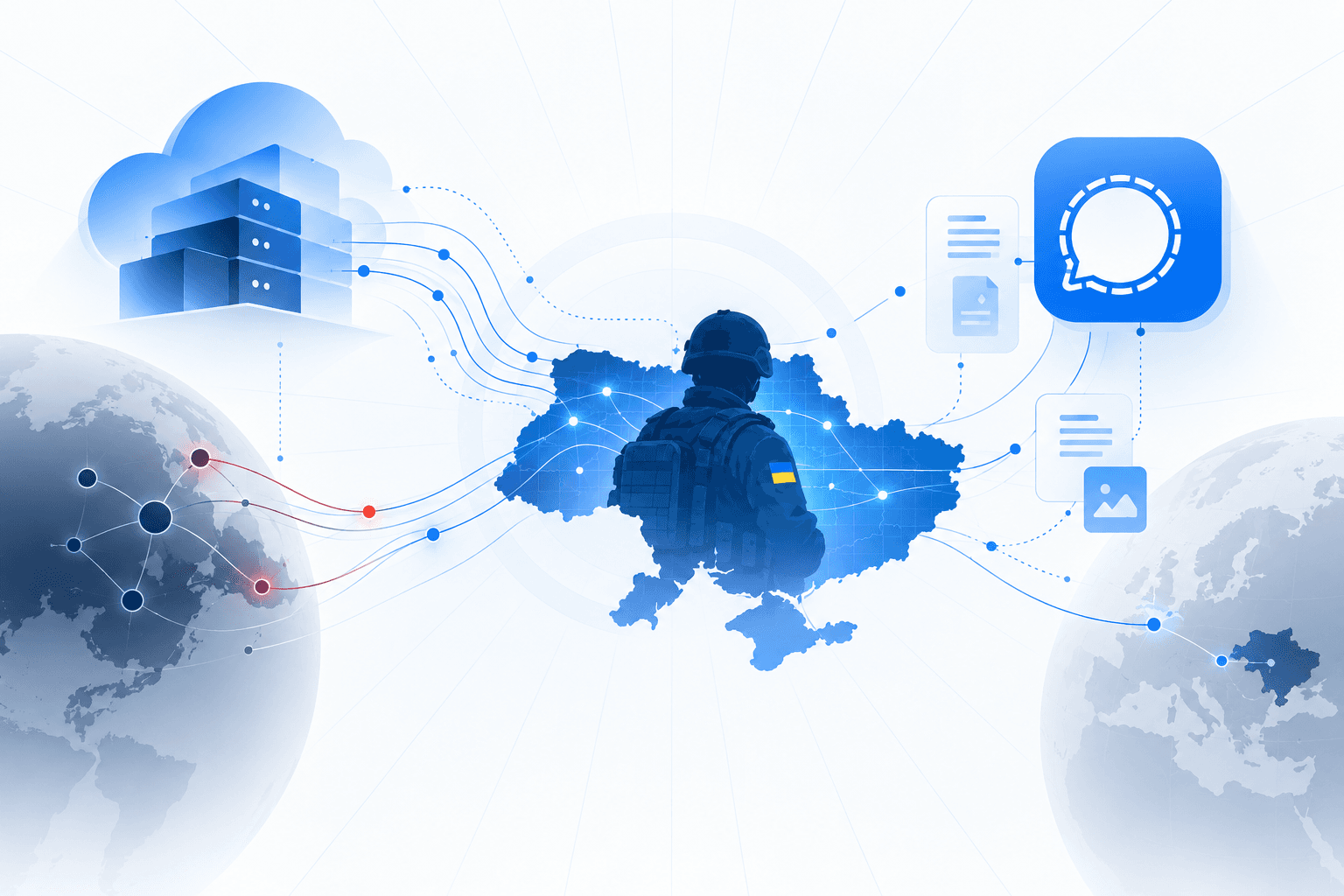
APT28 (Sednit/Fancy Bear), a Russian GRU-linked cyber-espionage group associated with Unit 26165, has been assessed by ESET to have reactivated a more advanced, custom tooling set beginning in April 2024, shifting from a period where its most sophisticated malware was less frequently observed. The activity has focused on long-term surveillance of Ukrainian targets, particularly military personnel, and includes the use of multiple implants: BEARDSHELL (a .NET-based implant used to execute PowerShell commands) and COVENANT (used alongside BEARDSHELL), as well as SLIMAGENT, which performs keylogging, screenshot capture, and clipboard collection. ESET and reporting based on its findings link SLIMAGENT to historical XAgent development, citing code and logging-format similarities consistent with an evolution of APT28’s earlier backdoor ecosystem.
ESET’s reporting indicates the operators use a dual-implant architecture to improve resilience, including leveraging legitimate cloud services for command-and-control; BEARDSHELL was described as using Icedrive as a C2 channel, and the overall approach was characterized as designed to maintain durable access for espionage operations extending through 2025 into 2026. Separate weekly threat-bulletin coverage that mentions unrelated breaches and other threat activity does not add material detail to the APT28/Sednit campaign described above and should not be treated as part of the same incident reporting.
Why it matters
Impact assessment
APT28’s revived toolkit primarily affects Ukrainian government and military personnel, with the strongest reporting centered on long-term surveillance of Ukrainian military targets since April 2024. The impact is high for defense and public-sector organizations because the tooling supports persistent espionage, credential and data theft, monitoring of victim activity, and potential lateral movement over periods exceeding six months.
The exposure appears targeted rather than indiscriminate, but the campaign is sustained and operationally mature, with activity observed through 2025 and into 2026. There are confirmed incidents in the wild: CERT-UA discovered SLIMAGENT on a Ukrainian government system in April 2024, ESET investigated a 2024 Ukraine breach involving the toolkit, and a gov.ua email-account compromise was reported in May 2025.
Affected entities and scope
- Primary targets: Ukrainian military personnel
- Additional affected population: Ukrainian governmental entities and government systems
- Threat actor: APT28, also tracked as Sednit, Fancy Bear, Sofacy, Forest Blizzard, BlueDelta, Pawn Storm, STRONTIUM, UAC-0001
- Attribution: Linked to GRU Unit 26165
- Scope: Targeted cyber-espionage campaign, not mass exploitation
Severity and business impact
- Primary impact: Long-term intelligence collection and surveillance
- Likely consequences: theft of sensitive communications, operational plans, credentials, screenshots, keystrokes, clipboard contents, and internal documents
- Operational risk: persistent access can enable follow-on movement inside networks and repeated re-entry if one implant is disrupted
- Strategic risk: military and government decision-making exposure, reputational damage, and potential mission disruption
Known incidents
- CERT-UA discovered SLIMAGENT on a Ukrainian governmental machine in April 2024
- ESET investigated a 2024 breach in Ukraine involving SLIMAGENT and BEARDSHELL
- Unauthorized access to a gov.ua email account was reported in May 2025
- ESET observed monitoring of some compromised machines for more than six months in 2025
- BEARDSHELL activity reportedly continued through 2025 into 2026