APT28 Targets Ukrainian Military Personnel With Cloud-Based Malware and Signal Lures
Sector Threat Intelligence · 3 sources · Updated 7h ago · First seen Jun 21, 2025
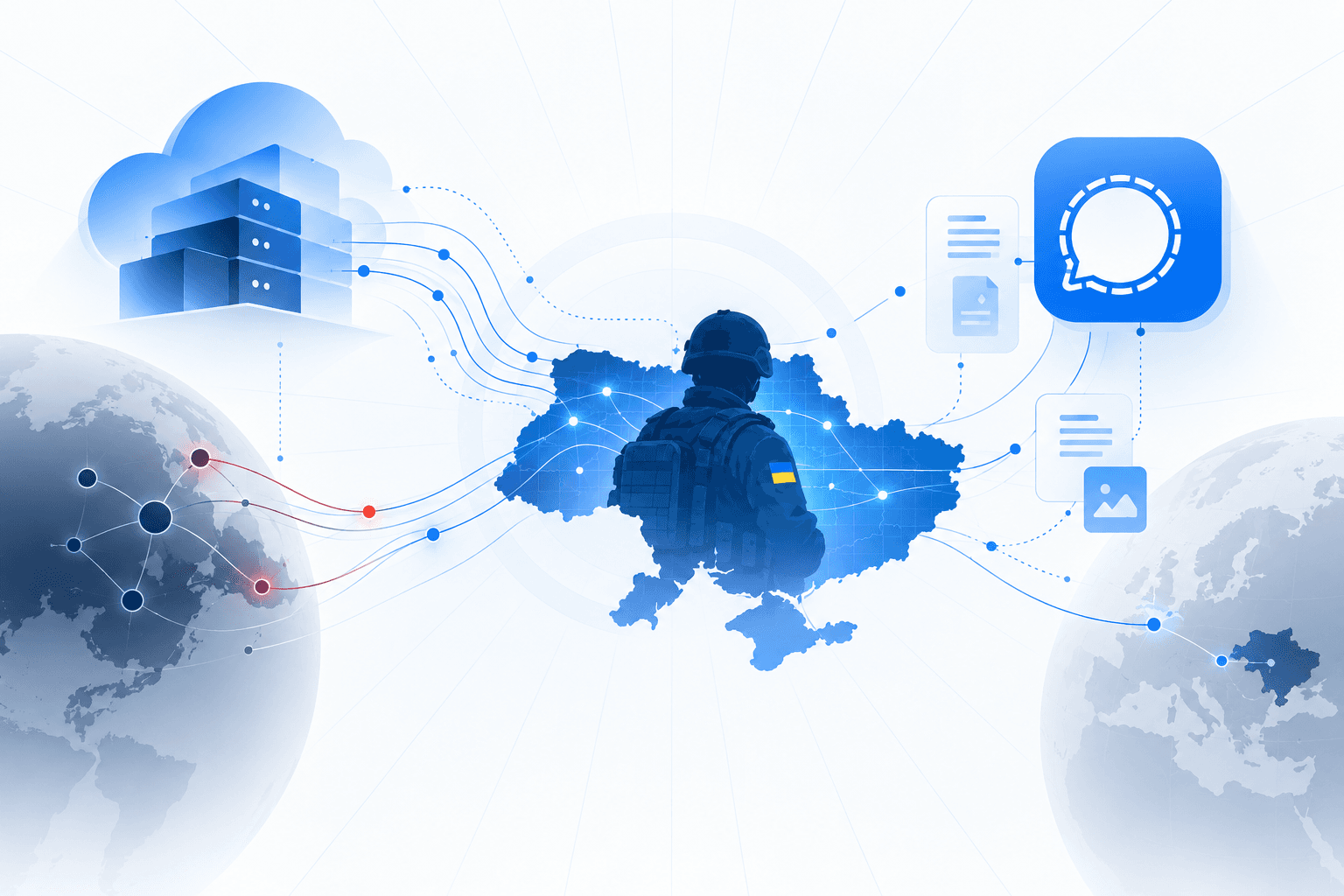
APT28 has been linked to an espionage campaign targeting Ukrainian military command and administrative personnel through malicious Office documents delivered in private Signal conversations. Sekoia.io found that the infection chain combined VBA macros, user-level COM hijacking, and encrypted payloads concealed in PNG images to deploy a customized Covenant implant communicating through Koofr cloud storage. CERT-UA linked the chain to BeardShell, a C++ backdoor that receives and executes PowerShell commands through Icedrive, although Sekoia.io could not independently observe the intervening deployment stages. Cloud-account artifacts suggested as many as 42 compromised hosts, potentially including analysis sandboxes, with activity dating to December 2024. An adapted Excel-based chain using Filen was observed in August 2025.
Alpha Cyber’s broader synthesis describes related APT28-attributed activity involving an Outlook VBA backdoor, GameFish, and compromised Ubiquiti routers, highlighting reliance on legitimate email, webhook, and consumer cloud services for command-and-control and exfiltration. Its attribution is primarily inherited from earlier reporting and described as moderate confidence. SlimAgent, a keylogging and screenshot implant, was found on the same server as BeardShell, but its role in the documented infection chain remains unconfirmed. Defenders should prioritize macro restrictions, Office process-lineage and COM-hijacking detection, controls on unsanctioned cloud services, and edge-device hardening rather than relying on destination reputation alone.
Why it matters
APT28-attributed espionage targeted Ukrainian military command and administrative personnel through malicious Office attachments in private Signal conversations, exposing operational information, credentials, communications, and screenshots to theft. Cloud artifacts suggested up to 42 potentially compromised hosts, including possible analysis sandboxes, rather than 42 confirmed victims; activity dated to December 2024, with an adapted chain observed in August 2025. These are reported real-world operations, but the supplied evidence does not establish continuing activity as of November 2026 or quantified financial losses. Sekoia
- Industry-specific impact: Military & Defense is supported by targeting of Ukrainian military personnel and, in Alpha Cyber's broader GameFish reporting, defense contractors. Government & Public Sector and Consumer Discretionary are supported separately by reported GameFish targeting of foreign ministries and hospitality networks frequented by diplomats; those broader targets are not established victims of the specific Ukrainian Signal chain. Sekoia Alpha Cyber
- Geography-specific impact: Ukraine is explicitly supported by the targeted military population and Ukrainian-language military and administrative lures. Other affected countries are not established; Russian attribution and Eastern European infrastructure do not establish additional victim geographies. Sekoia Alpha Cyber
- Principal operational risk: Remote PowerShell execution, reconnaissance, screen capture, keylogging, and clipboard collection can expose sensitive operational workflows. Legitimate cloud services and compromised routers complicate detection based on network reputation alone. Sekoia Alpha Cyber