Adversary-in-the-Middle Phishing and Evasion Techniques That Bypass MFA
Social Engineering & Fraud · 2 sources · Updated 5mo ago · First seen Mar 8, 2026

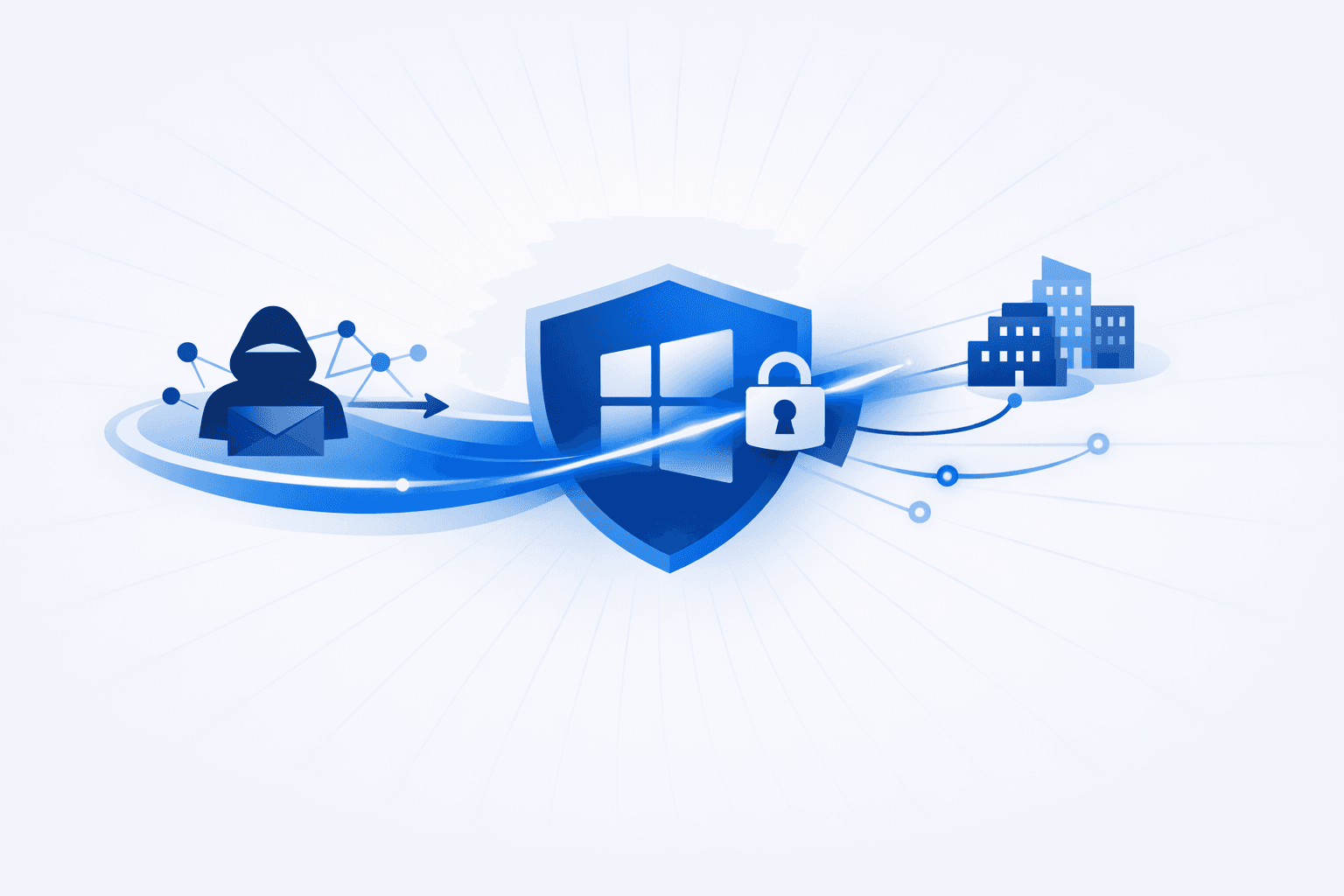
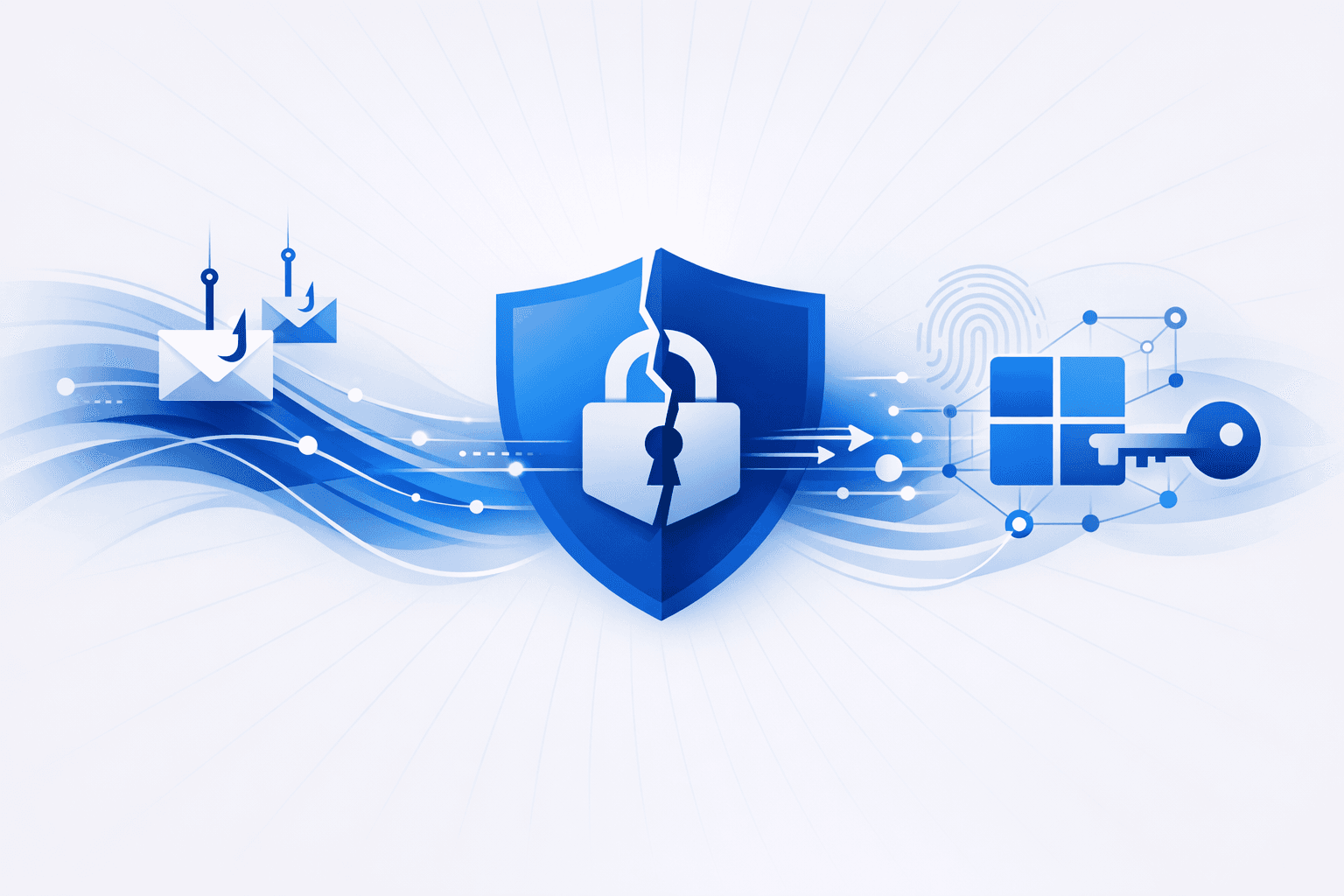
Adversary-in-the-middle (AiTM) phishing continues to undermine traditional MFA by proxying legitimate Microsoft sign-in flows in real time, allowing attackers to capture not only passwords but also session tokens and MFA responses. One investigation described how sophisticated redirect infrastructure (e.g., unusually deep redirect chains) can place the final phishing content beyond the reach of many email security scanners, and how one-time URL tokens can prevent defenders from reproducing the full chain after the fact—making in-the-moment evidence collection critical. The same analysis emphasized that phishing-resistant MFA (e.g., FIDO2/passkeys) is a more effective control because hardware-bound credentials cannot be relayed through a proxy.
Operationally, defenders are being pushed to treat modern phishing as an infrastructure and workflow problem, not just a user-awareness issue: attackers increasingly use HTTPS, branded lookalike pages/domains, redirects, and short-lived links to evade detection, including QR phishing (codes embedded in PDFs that bypass URL scanning). Additional pressure tactics like MFA fatigue (push-spam) remain effective against push-based MFA, with mitigations including number matching, contextual prompts (e.g., location), and monitoring for abnormal push rates. For earlier detection of AiTM activity, one proposed tripwire is embedding Canary Tokens in Microsoft Entra ID tenant branding (e.g., custom CSS) to alert when an AiTM proxy loads the login page, while noting this is not universally reliable across all kits.
Why it matters
Impact assessment
AiTM phishing against Microsoft sign-in flows materially weakens traditional MFA for organizations that rely on push-based or OTP-based authentication without phishing-resistant controls. The exposure is broad across Microsoft 365 and Entra ID users, with observed campaign targeting spanning financial services, healthcare, energy, and international organisations.
Operational impact includes account takeover, session hijacking through stolen session tokens, downstream business email compromise risk, and reputational and financial damage from unauthorized access. The reporting indicates active campaign activity in the wild, including a previously undocumented PhaaS kit dubbed Hopper and multi-month targeting across dozens of victims.
Affected populations
- Organizations using Microsoft sign-in flows, Microsoft 365, and Microsoft Entra ID
- Users protected only by traditional MFA methods that can be proxied, including push approvals and OTP-based flows
- Industries explicitly observed in campaign tracking: financial services, healthcare, energy, and international organisations
- Mobile users are additionally exposed to QR phishing delivered through PDFs and short-lived links
Severity and scope
- Severity is high because attackers can capture passwords, MFA responses, and authenticated session tokens in real time
- Successful compromise can enable persistent access without repeated MFA challenges if valid session cookies are stolen
- Scope appears broader than a single intrusion set: the Hopper activity is described as a multi-month, multi-sector campaign and a previously undocumented PhaaS capability
- Push-based MFA remains vulnerable to MFA fatigue, increasing success rates against users under notification pressure
Known in-the-wild activity
- Hopper is described as an active AiTM phishing operation targeting Microsoft authentication flows
- urlscan.io pivoting on a unique JavaScript filename reportedly exposed a four-month campaign timeline across dozens of targets
- Attackers are using redirect chains, one-time tokenized URLs, HTTPS, branded lures, lookalike domains, and QR phishing to evade controls