Heightened Cyber Risk to US Financial Services and Critical Infrastructure Amid Iran-US Conflict
Threat Actor Intelligence · 4 sources · Updated 5mo ago · First seen Mar 5, 2026
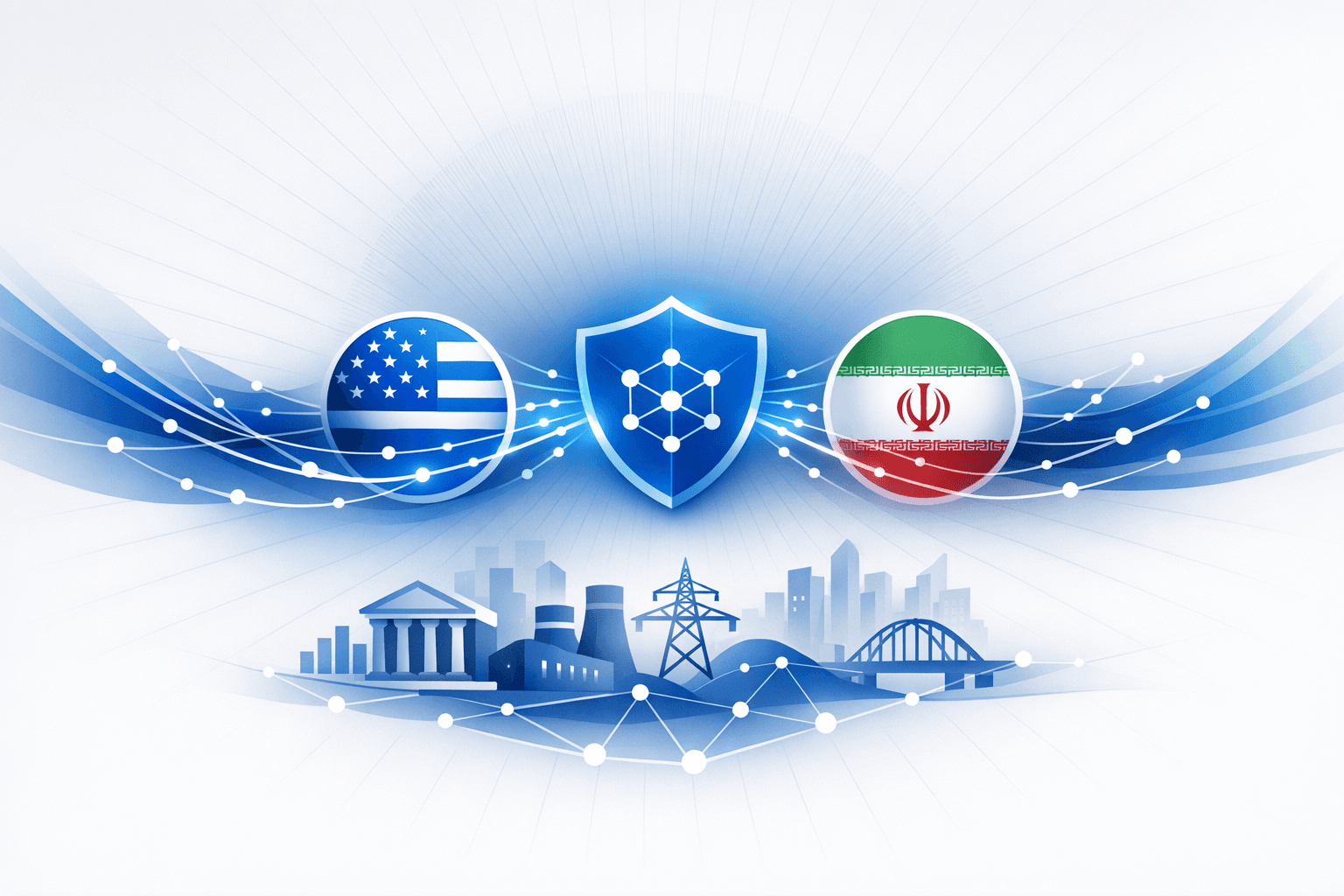
US financial services and critical infrastructure operators have moved to heightened vigilance amid escalating Iran–US conflict, with industry groups and analysts warning that geopolitical shocks often correlate with increased cyber activity. Reuters reporting cited by teiss says US intelligence assesses Iran-aligned hacktivists could conduct low-level attacks against US networks—particularly DDoS—and that banks are increasing monitoring and resilience measures given the sector’s role in payments, clearing/settlement, and market infrastructure.
Separate threat research argues the conflict environment increases the likelihood of ICS/OT-focused activity, emphasizing that US critical infrastructure presents an attractive retaliation surface due to civilian impact and a large internet-exposed OT footprint. CloudSEK highlights rapid activation of numerous hacktivist groups after late-February 2026 strikes and points to prior public reporting on long-dwell intrusions and campaigns affecting ICS devices; a SecuritySenses episode similarly describes state-linked hacktivist activity targeting OT (including Unitronics PLCs) and broader spillover effects beyond the region. Other items in the set—an ISC/SANS guest diary on opportunistic scanning and a Dark Reading piece on higher attack volumes in Latin America—do not describe the Iran-related escalation and are not directly part of this specific event narrative.
Why it matters
Impact assessment
US financial services firms and critical infrastructure operators face elevated cyber risk tied to the Iran-US conflict, with likely near-term activity ranging from disruptive DDoS to opportunistic targeting of exposed OT/ICS environments. The most exposed populations are banks, market infrastructure operators, water utilities, power operators, hospitals, and industrial organizations that rely on legacy ICS, internet-exposed devices, weak authentication, or poor IT/OT segmentation.
The likely impact is operational disruption rather than destructive effects in the immediate term, but consequences could still be significant because affected sectors support payments, clearing and settlement, trading, water, energy, and healthcare delivery. Reporting cited in the story indicates known concern about exploitation in the wild, including a sustained post-strike campaign against US critical infrastructure and intelligence warning that Iran-aligned hacktivists may launch low-level attacks against US networks.
Supporting facts
- Reuters reporting cited by teiss says US financial services firms increased monitoring due to heightened cyber risk during the conflict.
- US intelligence assessed Iran-aligned hacktivists could conduct low-level attacks against US networks, particularly DDoS.
- The financial services sector operates critical infrastructure including payments, clearing and settlement systems, trading platforms, and Treasury markets.
- The cybercenter article states a sustained and coordinated cyber campaign followed US airstrikes on Iranian targets on 28 February 2026.
- Targeted sectors named in the cybercenter article include power grids, water treatment facilities, hospital networks, and industrial control systems across all sixteen US critical infrastructure sectors.
- The cybercenter article concludes the February 2026 campaign disrupted but did not destroy critical services.
- CloudSEK and SecuritySenses characterize OT/ICS as an attractive retaliation surface because of civilian impact and internet-exposed industrial assets.
- SecuritySenses claims U.S. water utilities were targeted and that retaliatory cyberattacks affected financial infrastructure.
- The story notes prior smaller-scale DDoS and ransomware incidents have already disrupted parts of the financial sector, including the 2023 ICBC U.S. broker-dealer ransomware incident that disrupted some Treasury trade settlement.
- Cost figures cited by cybercenter indicate industrial breaches average $5.56 million and dual IT/OT attacks average $4.56 million per incident.
Affected entities and sectors
- Financial services: banks, broker-dealers, exchanges, clearing and settlement operators, Treasury market participants
- Critical infrastructure: power, water, healthcare, industrial operators, broader OT-dependent sectors
- OT/ICS environments using legacy devices, default credentials, exposed industrial protocol ports, or weak IT/OT segmentation
Scope and severity
- Scope is broad across US critical infrastructure and financial services, but likely uneven and concentrated on exposed or weakly segmented environments.
- Immediate severity is moderate to high for availability and operational continuity; destructive physical impact is possible in OT environments but not evidenced as widespread in the provided reporting.
- Exploitation in the wild is indicated by reporting of a sustained campaign against US critical infrastructure and by intelligence warnings of likely Iran-aligned hacktivist activity.