Coruna Spy-Grade iOS Exploit Kit Proliferates From Surveillance to Espionage and Financial Crime
Attack Tradecraft · 34 sources · Updated 4mo ago · First seen Mar 3, 2026

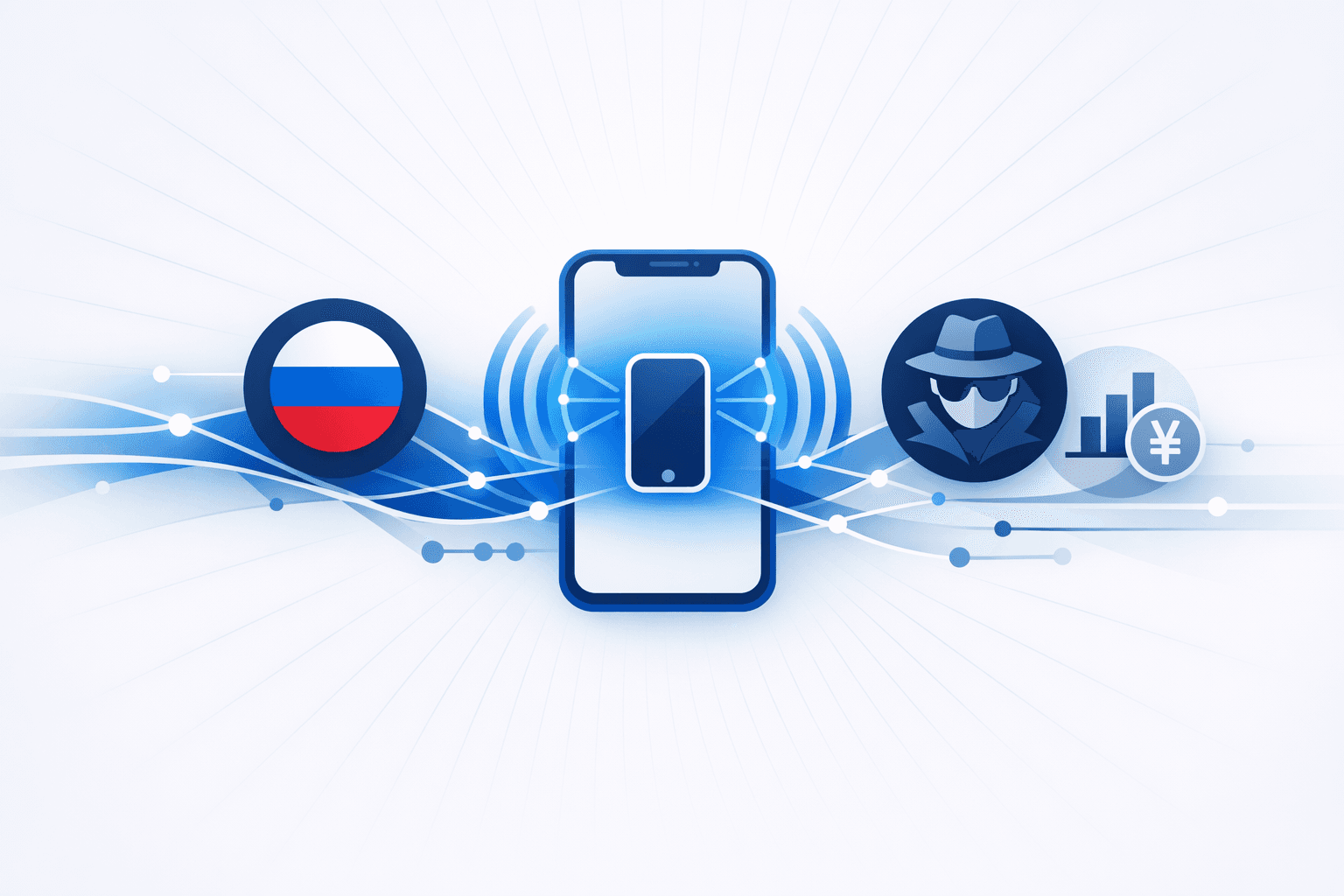
Google’s Threat Intelligence Group (GTIG) reported on Coruna, a commercial/spy-grade iOS exploit kit that has circulated among multiple threat actors and shifted use cases over time—from a surveillance customer to suspected state-linked watering-hole activity and later to financially motivated abuse. GTIG assessed Coruna includes five full iOS exploit chains comprising 23 exploits, mixing CVE-tracked vulnerabilities with additional flaws that were not assigned CVEs (with CVE mapping potentially subject to revision as analysis continues). The exploit chains target iOS via ordinary web content, leveraging WebKit memory-corruption and related browser subsystem weaknesses to achieve capabilities such as remote code execution and sandbox escape.
Reporting highlighted that Coruna’s exploit set largely relies on older issues that are likely patched on current devices, but the kit was assessed as capable (with varying reliability) of targeting iPhone models across a wide range of versions, from iOS 13.0 through iOS 17.2.1. Publicly referenced CVEs associated with Coruna include CVE-2024-23222, CVE-2022-48503 (later added to CISA’s KEV), CVE-2023-43000, and multiple WebKit/privilege escalation bugs used as zero-days in prior campaigns (e.g., CVE-2023-38606, CVE-2023-32434, CVE-2023-32409). Mandiant/Google also published a set of URLs observed delivering Coruna landing pages (e.g., paths like /group.html and /static/analytics.html across numerous domains), intended to support detection and threat hunting.
Why it matters
Impact assessment
Coruna is a high-end iOS exploit kit that moved from targeted surveillance use to state-linked espionage and then broad financially motivated abuse, materially increasing risk to organizations with unmanaged or legacy Apple mobile fleets. The affected population is primarily iPhone and some legacy iPad users on iOS/iPadOS versions from 13.0 through 17.2.1, with elevated exposure in sectors where users browse untrusted web content or operate in high-risk geographies.
The impact is severe because successful exploitation can lead to silent device compromise, root-level post-exploitation, theft of cryptocurrency wallet seed phrases and financial data, and access to photos, notes, and communications. Exploitation has been observed in the wild across multiple actor sets, including suspected Russian espionage activity against Ukrainian targets and Chinese financially motivated campaigns using fake gambling and crypto sites; reporting also cites compromise estimates around 42,000 devices.
Affected groups
- Apple iPhone users on iOS 13.0 through 17.2.1
- Legacy iPhone/iPad populations requiring iOS/iPadOS 15.8.7 or 16.7.15 backports
- Organizations with BYOD or unmanaged mobile fleets
- High-risk users in government, NGOs, media, crypto/finance, and Ukraine-related operations
- Users exposed to watering-hole sites, fake gambling/crypto sites, or compromised third-party web content
Severity and business consequences
- Silent web-based compromise from ordinary page loads
- Potential remote code execution, sandbox escape, kernel privilege escalation, and PPL/PAC bypass
- Theft of wallet seed phrases, banking-related data, notes, photos, and app data
- Operational risk from compromised executive or employee mobile devices used for MFA, messaging, and email
- Reputational and financial risk where mobile devices hold customer, financial, or privileged access data
Scope and exploitation status
- Exploitation is confirmed in the wild
- Activity spans targeted and broad-scale campaigns rather than a single isolated intrusion set
- Delivery infrastructure was broad and disposable, with 50+ delivery domains and DGA-backed C2 patterns reported
- Current risk is concentrated on unpatched and legacy devices; Google assessed Coruna is ineffective against the latest iOS release