Iran Retaliation Cyber Risk After U.S. and Israeli Strikes
Threat Actor Intelligence · 7 sources · Updated 5mo ago · First seen Mar 1, 2026

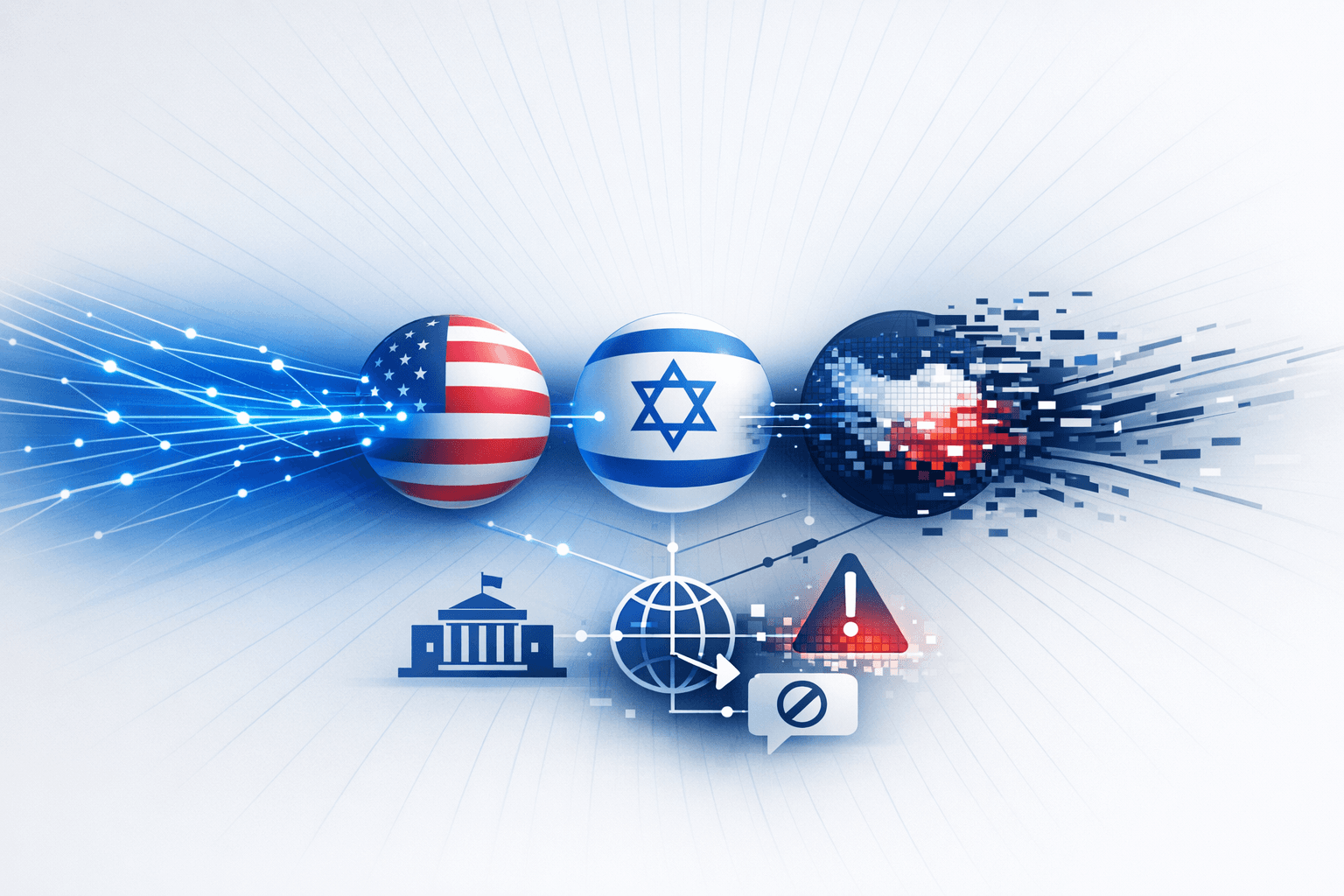
Coordinated U.S. and Israeli strikes on Iranian targets have raised expectations of Iranian state-aligned cyber retaliation against U.S., Israeli, and allied interests. Reporting and vendor intelligence assessments warn that Iran has historically paired kinetic escalation with cyber operations ranging from low-level disruption (website defacements and DDoS) to higher-impact activity (ransomware-style disruption, hack-and-leak operations, espionage, and destructive/wiper malware), with likely targeting pressure on government, critical infrastructure, defense, financial services, academia, and media. The situation is described as fast-moving, with no definitive public attribution yet tying major new cyber campaigns directly to the latest strikes.
Separately, multiple reports highlight unrelated security issues: GreyNoise observed large-scale reconnaissance and SSL VPN enumeration against SonicWall SonicOS devices via commercial proxy infrastructure—activity consistent with precursor targeting that often precedes credential attacks and ransomware intrusions. CISA also issued updated technical details on RESURGE, a stealthy implant used in zero-day exploitation of Ivanti Connect Secure via CVE-2025-0282, including passive C2 behavior and TLS-fingerprint-based authentication/evasion; Mandiant linked the exploitation to China-nexus activity (UNC5221). Other items in the set include a generic IoT security pitfalls article, a weekly security roundup, and a conference write-up, none of which materially advance the Iran-retaliation storyline.
Why it matters
Impact assessment
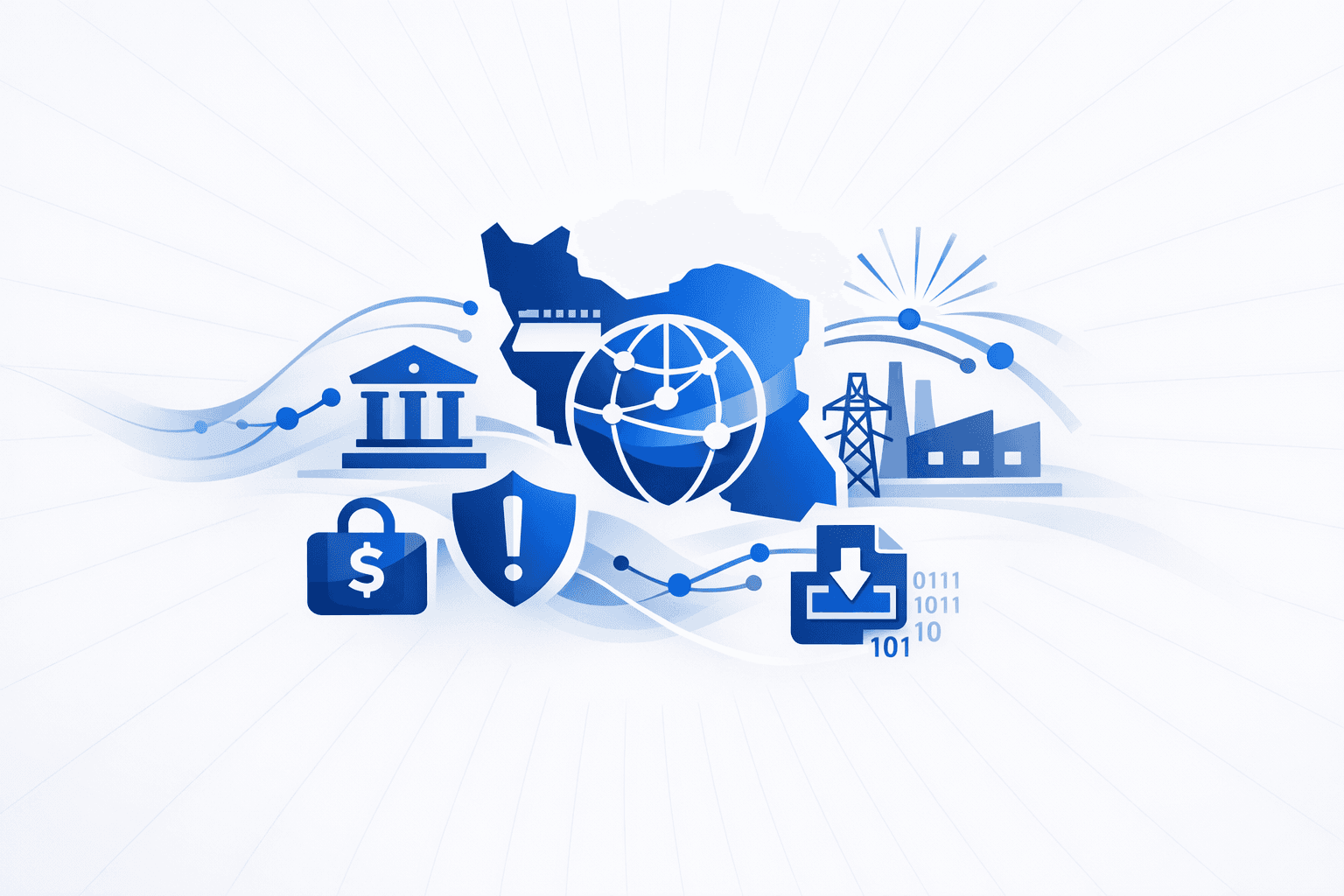
The story indicates elevated near-term cyber risk from Iranian state-aligned and proxy actors following U.S. and Israeli strikes, but it does not report a confirmed new retaliatory campaign directly attributed to the latest events. Organizations in government, critical infrastructure, defense, financial services, academia, media, and OT/ICS-heavy environments in the U.S., Israel, and allied countries face the highest exposure, with likely impacts ranging from website disruption and DDoS to ransomware-style outages, hack-and-leak activity, espionage, and destructive wiping.
Severity and scope
- Affected populations: U.S., Israeli, and allied organizations, especially government, defense, financial services, critical infrastructure, academia, media, transportation, communications, energy, water, telecom, and defense industrial base entities.
- Likely business impact: operational disruption, service outages, destructive data loss, reputational damage from leaks or defacements, and potential safety implications where OT/ICS is exposed.
- Scope: broad elevated risk with targeted pressure on strategically relevant sectors rather than a single product-specific exposure.
- Exploitation in the wild: no definitive public attribution of a major new Iran-linked retaliatory campaign tied directly to the latest strikes at the time of the cited reporting.
Supporting facts extracted from references
- AlphaHunt characterized the issue as a forecast, not a confirmed incident, and assigned a 29% probability that an Iran-linked cyber operation against a U.S. or Israeli organization would be novel, materially impactful, and credibly attributed by 2026-05-20.
- SentinelOne stated it had not attributed significant malicious cyber activity directly to the recent kinetic events at publication time.
- FINRA said that as of 2026-03-16 it was not aware of significant Iran-related cyberattacks against the financial services industry, while still warning of heightened risk.
- Multiple sources assessed likely retaliatory activity could include DDoS, ransomware-style disruption, hack-and-leak operations, espionage, and destructive malware.
- Nextgov and SentinelOne highlighted elevated concern for OT/ICS and internet-facing PLC exposure, especially in water, energy, transportation, and communications sectors.
- SecuritySenses and FINRA emphasized that Iranian-aligned actors repeatedly exploit weak identity controls, exposed remote access, unpatched edge systems, and credential-based access paths.