MFA Bypass via Phishing and Authentication Abuse (OAuth Device Code, Vishing Kits, and OTP Bombing)
Vulnerability Disclosure · 3 sources · Updated 5mo ago · First seen Feb 12, 2026
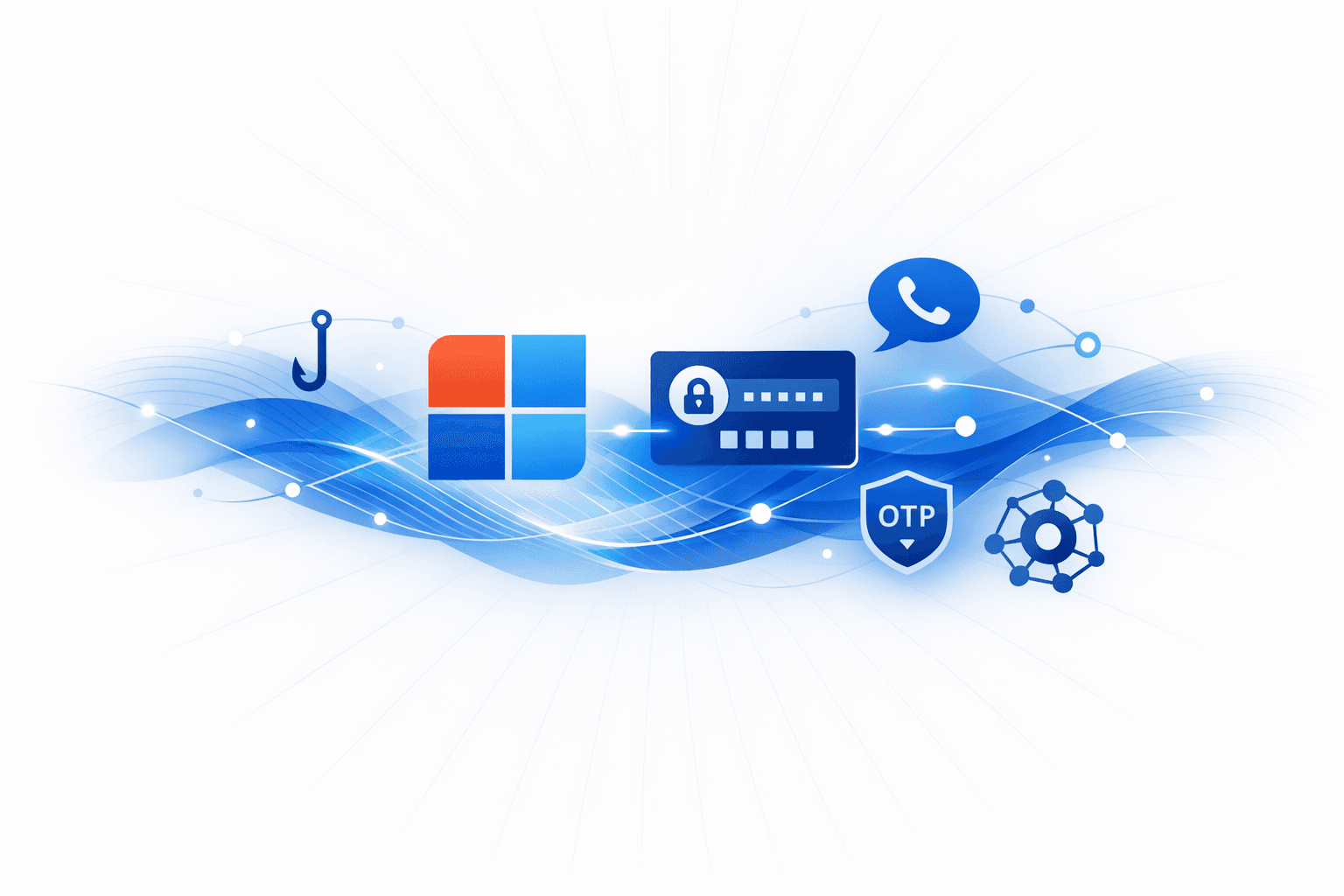
Threat researchers reported multiple MFA-bypass techniques being operationalized against enterprise users, with a notable focus on Microsoft 365 and common authentication workflows. KnowBe4 Threat Labs described an active phishing campaign targeting North American organizations that abuses the OAuth 2.0 Device Authorization Grant (microsoft.com/devicelogin) to trick users into entering an attacker-supplied device code on a legitimate Microsoft page; after the user completes MFA, the attacker obtains valid OAuth access/refresh tokens, enabling persistent access to M365 services (e.g., Outlook, Teams, OneDrive/SharePoint) without stealing passwords. Recommended mitigations included auditing newly consented OAuth apps, hunting for related email lure patterns, and considering disabling the device code flow via Conditional Access.
Separately, Okta warned of emerging voice-phishing (vishing) kits that provide real-time, client-side “session orchestration,” allowing attackers to dynamically change phishing pages while on a phone call to coax victims into approving push prompts or providing OTPs; captured credentials are commonly exfiltrated to attacker-controlled channels (e.g., Telegram) and then replayed against legitimate sign-in flows. Cyble also documented the continued evolution of SMS/OTP (and voice) bombing ecosystems, highlighting automated, API-driven abuse of authentication endpoints across multiple sectors and regions, with tooling maturing into cross-platform applications and adding evasion features—activity that can facilitate social engineering and account takeover by overwhelming users with authentication messages or calls.
Why it matters
Impact assessment
These techniques affect enterprises that rely on Microsoft 365, Okta-backed identity workflows, SMS/voice OTP delivery, and push-based MFA, with notable exposure for technology, manufacturing, financial services, telecommunications, e-commerce, and government services. The impact is high because successful attacks can produce account takeover, persistent cloud access via stolen OAuth tokens, business email compromise, data theft from Outlook/Teams/OneDrive/SharePoint, user lockout pressure, and direct operational cost from OTP/SMS abuse.
The scope is both targeted and broad: the device-code phishing campaign is an active targeted operation concentrated in North America, while vishing kits and OTP-bombing tooling are broadly reusable across sectors and regions. There are reported active campaigns and operationalized abuse in the wild, including an ongoing Microsoft 365 device-code phishing campaign first observed in December 2025 and sustained OTP-bombing ecosystem activity through early 2026.
Supporting facts
- Targeted users: enterprise Microsoft 365 users, especially in North America.
- Targeted sectors in the KnowBe4 reporting: technology, manufacturing, and financial services.
- Broadly exposed populations: organizations using push MFA, OTP-based MFA, voice verification, and public authentication APIs.
- Business impact from device-code abuse: persistent access to email, files, collaboration platforms, and possible administrative actions without password theft.
- Business impact from vishing kits: credential theft plus real-time coercion of MFA approval, increasing likelihood of successful account takeover.
- Business impact from OTP bombing: authentication disruption, user fatigue, social-engineering enablement, telecom/SMS cost increases, and reputational damage from degraded customer authentication experiences.
- Geographic scope from Cyble reporting: seven regions, with endpoint concentration in Iran at 61.68% and India at 16.96% of observed samples.
- Known in-the-wild activity: active phishing campaign abusing OAuth device code flow; active development and use of OTP/SMS/voice bombing tools and services; increased voice-based social engineering volume cited by Okta.