Reynolds Ransomware Uses BYOVD via NsecSoft NSecKrnl Driver to Kill EDR Processes
Attack Tradecraft · 5 sources · Updated 5mo ago · First seen Feb 11, 2026
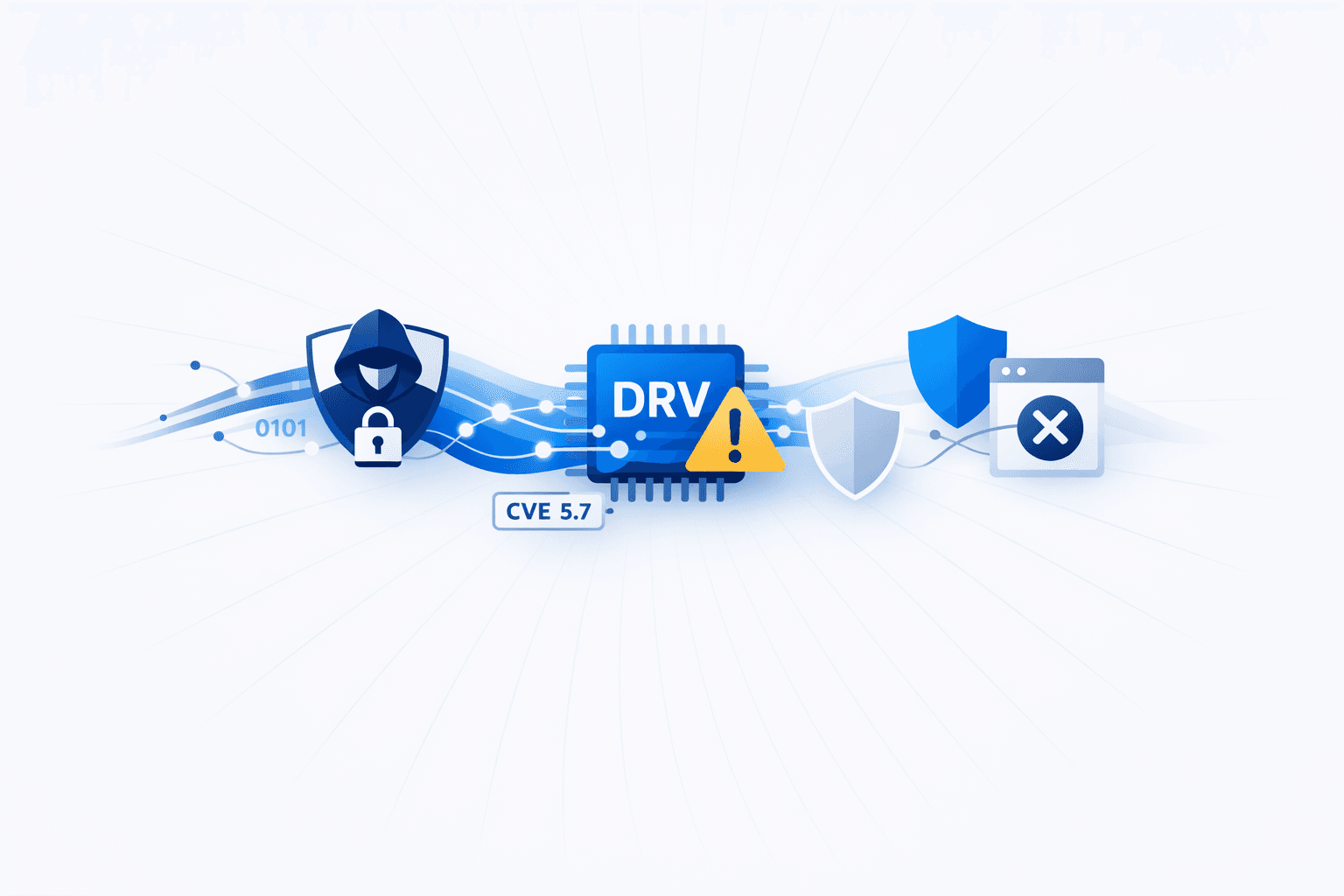
Reynolds, an emerging ransomware family, has been reported using a Bring Your Own Vulnerable Driver (BYOVD) technique by bundling a legitimate-but-flawed kernel driver (NsecSoft NSecKrnl) directly inside the ransomware payload to evade defenses. The driver vulnerability, tracked as CVE-2025-68947 (reported CVSS 5.7), can be abused to terminate arbitrary processes, enabling Reynolds to disable endpoint security tooling before encryption activity proceeds.
Reporting indicates Reynolds drops the vulnerable NSecKrnl driver and then targets processes associated with multiple security products (including Avast, CrowdStrike Falcon, Palo Alto Networks Cortex XDR, Sophos/HitmanPro.Alert, and Symantec Endpoint Protection). Researchers noted that embedding the BYOVD component within the ransomware payload (rather than deploying a separate pre-ransomware killer tool) has precedent in prior ransomware activity (e.g., Ryuk and Obscura), and the same driver has also been associated with activity attributed to the Silver Fox threat actor in other campaigns.
Why it matters
Impact assessment
Reynolds is an emergent ransomware family using embedded BYOVD tradecraft to disable endpoint protections before encryption, increasing the likelihood of successful impact even in environments with mature EDR coverage. Affected organizations include enterprise, government, and critical infrastructure, with reported activity in the U.S. and U.K. and targeting that can extend globally.
The operational impact is high because the malware kills security tooling, encrypts files with AES and RSA, appends the .locked extension, and threatens repeat attacks and data leakage if victims do not engage within three days. Reported prevalence is currently low, but the technique is proven and there are observed incidents in the wild, including pre-ransomware staging weeks in advance and post-encryption remote-access deployment.
Supporting facts
- Malware family: Reynolds ransomware.
- Impacted populations: organizations with mature security postures relying on EDR/AV; enterprise, government, and critical infrastructure sectors.
- Geographic reporting: incidents noted in the United States and United Kingdom; reporting indicates potential global spread.
- Security products reportedly targeted for process termination:
- Avast
- CrowdStrike Falcon
- Palo Alto Networks Cortex XDR
- Sophos and HitmanPro.Alert
- Symantec Endpoint Protection
- Microsoft Defender
- ESET
- Encryption behavior: uses AES and RSA; appends .locked to encrypted files.
- Ransom note: RestoreYourFiles.txt.
- Extortion behavior: demands contact via qTox and Tor; threatens renewed attack and file leakage if no contact within three days.
- Observed intrusion characteristics: suspicious side-loaded loader weeks before ransomware deployment; GotoHTTP remote access tool deployed after the incident.
- Exploitation status: yes, observed in active ransomware intrusions.
- Prevalence: described as low at time of reporting.