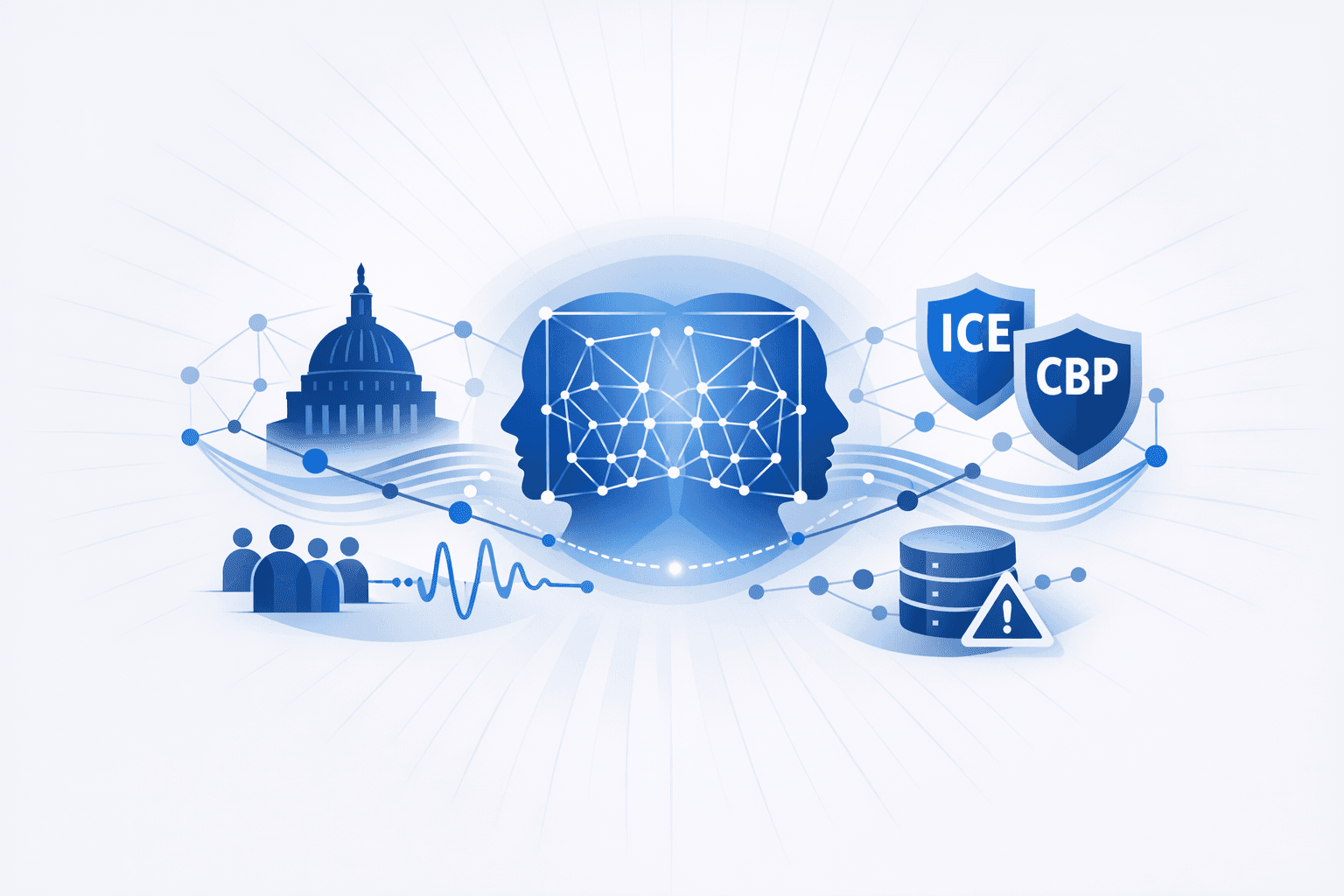
US Intelligence and Homeland Security Oversight Scrutiny Over Surveillance, Biometrics, and Handling of Classified Intelligence
Regulatory & Policy · 4 sources · Updated 5mo ago · First seen Feb 10, 2026

Senior US officials and lawmakers are escalating oversight and policy debates around surveillance authorities and intelligence handling. The White House confirmed it will convene a high-level meeting with senior national security leaders and key members of Congress to discuss reauthorizing FISA Section 702, which is set to lapse without congressional action; the authority enables warrantless targeting of foreigners’ communications but can incidentally collect Americans’ communications, fueling renewed civil-liberties and warrant-requirement disputes. Separately, Director of National Intelligence Tulsi Gabbard is facing scrutiny on multiple fronts, including a whistleblower complaint alleging unusual restrictions on dissemination of highly classified NSA-derived intelligence and claims she directed the NSA not to publish a report and instead route details to her office; Gabbard’s office denies wrongdoing and says her actions were lawful, while the underlying complaint remains highly classified.
Parallel oversight pressure is also building around domestic-facing security and data practices. The DHS Office of Inspector General launched an audit into how DHS components—initially focusing on ICE and the Office of Biometric Identity Management—collect, manage, share, and secure PII and biometric data used in immigration enforcement, following lawmakers’ concerns about facial recognition and license-plate data collection. In a separate but related governance controversy, Gabbard’s expanded involvement in election security—including participation around an FBI raid of a local elections office and actions involving voting systems that her team said had cybersecurity vulnerabilities—has raised questions about mandate boundaries between foreign-interference missions and domestic election administration. In contrast, the CIA’s announcement of a new acquisition framework to speed technology adoption is primarily an internal modernization/procurement change and does not materially advance the surveillance/oversight storyline beyond general national-security context.
Why it matters
Impact assessment
This story is primarily a governance, oversight, and privacy-policy development rather than a newly disclosed cyber incident or exploitable technical exposure. The most directly affected entities are U.S. federal intelligence and homeland security organizations, especially ODNI, NSA, DHS, ICE, and the Office of Biometric Identity Management, along with populations whose communications, PII, biometric data, or election-related systems fall within those agencies’ missions.
Operational impact is indirect but meaningful: scrutiny over FISA Section 702, classified-intelligence handling, and DHS biometric-data practices could drive policy changes, compliance reviews, data-handling restrictions, and reputational damage for involved agencies. The scope is broad at the policy level but there are no confirmed incidents here of active cyber exploitation, ransomware, destructive activity, or a newly weaponizable vulnerability affecting enterprise defenders.
Supporting details
- Affected entities named:
- Office of the Director of National Intelligence
- National Security Agency
- Department of Homeland Security
- Immigration and Customs Enforcement
- Office of Biometric Identity Management
- FBI
- CIA
- CISA
- Affected data types:
- Foreign intelligence communications collected under FISA Section 702
- Incidentally collected U.S. communications
- Personally identifiable information
- Biometric data
- Facial recognition data
- License plate information
- Potential impact areas:
- Privacy and civil-liberties exposure
- Compliance and oversight risk
- Reputational harm to agencies handling sensitive intelligence or biometric data
- Possible operational friction if authorities, dissemination rules, or election-security roles are narrowed or revised
- Scope:
- Broad U.S. government policy and oversight relevance
- Not a widespread enterprise compromise story
- No confirmed victim count, breach volume, or service outage reported
- Exploitation status:
- No known exploitation in the wild reported
- No confirmed malicious campaign, intrusion set, or attacker infrastructure disclosed