Expansion of AI-Enabled Camera Surveillance Raises Privacy and Biometric Identification Concerns
Regulatory & Policy · 2 sources · Updated 5mo ago · First seen Feb 6, 2026
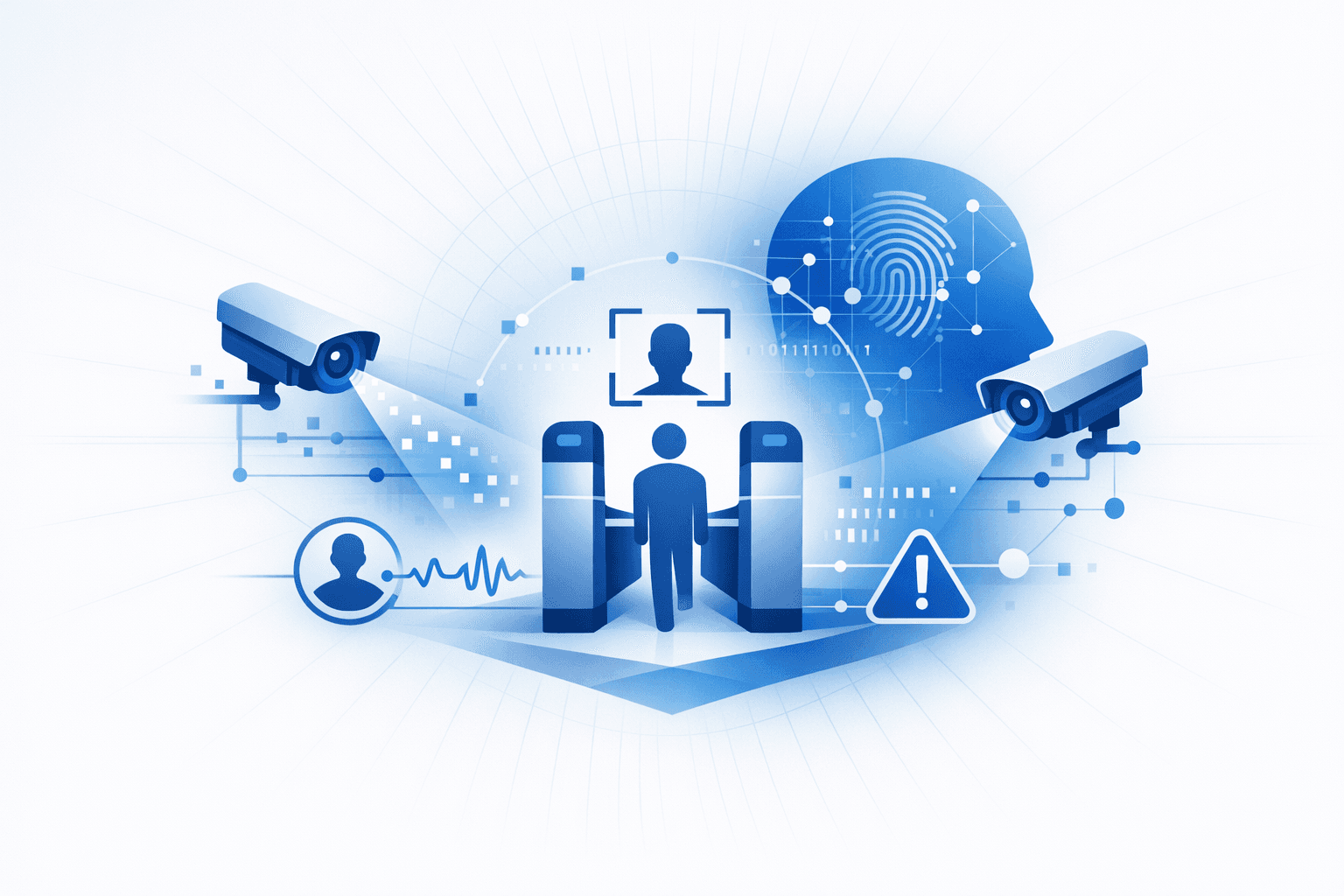
The New York Metropolitan Transportation Authority (MTA) is testing new subway gates that use AI-powered cameras to capture short recordings when riders are suspected of fare evasion and to generate a physical description that is transmitted to the MTA, prompting criticism from privacy advocates concerned about persistent monitoring in public transit. The MTA has also solicited vendor input for systems using computer vision and AI to detect “unusual or unsafe behaviors,” reflecting broader growth in surveillance deployments across New York City.
In parallel, consumer AI smart glasses are re-emerging with built-in cameras and microphones, intensifying concerns that everyday wearables can enable covert recording and downstream biometric identification. Reporting highlighted that footage from Ray-Ban Meta smart glasses can be paired with external facial-recognition services to identify strangers, and noted policy issues such as cloud storage of wake-word voice recordings (potentially retained up to a year) and uncertainty about future features like on-device facial recognition; retailers in New York (e.g., Wegmans and others) are also expanding facial-recognition use, underscoring the convergence of AI, biometrics, and surveillance in both public and commercial spaces.
Why it matters
Impact assessment
AI-enabled surveillance expansion in New York primarily affects public transit riders, retail customers, employees, and organizations considering camera-equipped wearables. The immediate impact is privacy, civil-liberties, and compliance risk rather than a traditional cyber intrusion, but the potential consequences include misidentification, reputational damage, regulatory exposure, and misuse of biometric data at scale.
The scope is broad and growing across public and commercial environments rather than a narrowly targeted campaign. No exploitation in the wild is described as a network intrusion, but the reporting cites real-world use cases where smart-glasses footage was paired with facial-recognition services to identify strangers and incidents of covert recording in public settings.
Supporting facts
- Affected entities:
- New York Metropolitan Transportation Authority (MTA)
- Cubic
- Wegmans
- NYPD
- Retailers cited by S.T.O.P.: T-Mobile, Madison Square Garden, Walmart, Home Depot, Fairway, Macy’s
- Consumer device ecosystem: Ray-Ban Meta; potential future entrants Apple and Samsung
- Affected populations:
- Subway riders and pedestrians in New York City
- Retail customers in stores using facial recognition
- Employees and customers in workplaces where smart glasses may be worn
- Women and students cited in covert-recording incidents
- Severity drivers:
- Potential biometric collection and retention without clear transparency
- Risk of false matches and disproportionate impact on minorities, particularly Black people
- Exposure to legal and regulatory obligations under GDPR, BIPA, and CCPA
- Reputational harm from covert recording or misuse of captured media
- Scope indicators:
- MTA is testing AI-enabled fare gates and soliciting AI/computer-vision systems for “unusual or unsafe behaviors”
- Wegmans deployed facial-recognition-equipped cameras in some New York stores
- Reporting describes a broader uptick in biometric surveillance across retailers and public agencies
- Known real-world incidents:
- Two Harvard students demonstrated linking Ray-Ban Meta footage with external facial-recognition systems to identify strangers
- University of San Francisco issued a warning in October 2025 after reports of a man recording women with Ray-Ban Meta glasses
- Reports claim third parties can disable the recording-indicator LED on smart glasses, increasing covert-recording risk