Meta Ray-Ban Smart Glasses Recordings Reviewed by Human Contractors, Triggering Privacy Scrutiny
Regulatory & Policy · 4 sources · Updated 5mo ago · First seen Mar 5, 2026
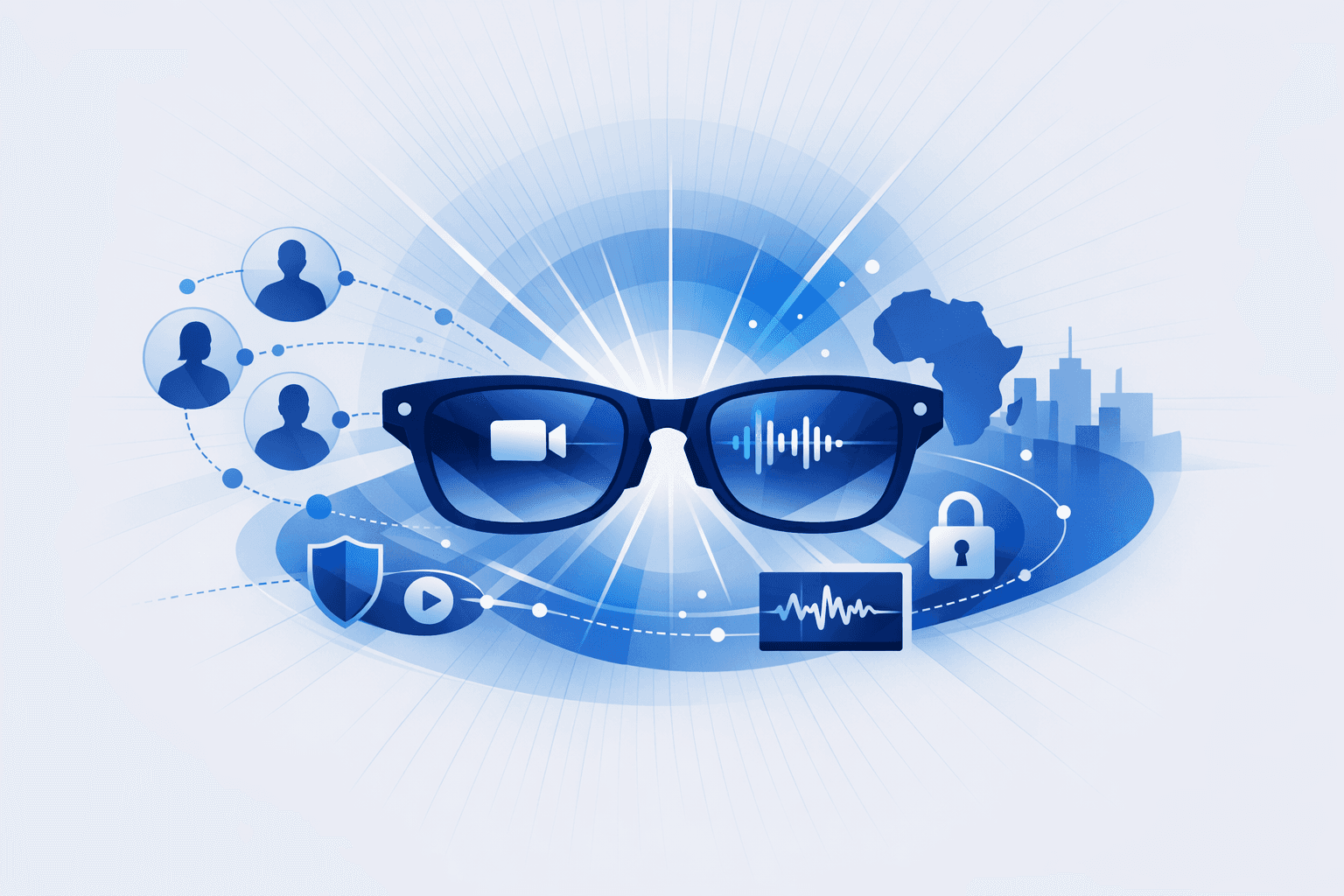
Investigations reported by Swedish outlets Svenska Dagbladet and Göteborgs-Posten found that recordings captured by Meta Ray-Ban smart glasses—including video and audio—are being reviewed by human contractors as part of AI training and quality assurance workflows. Workers employed by Sama, a Meta subcontractor in Nairobi, Kenya, described routinely handling highly sensitive content inadvertently recorded by users, including bathroom visits, undressing, sex/pornography, and private conversations, as well as incidental capture of bank cards and other identifying details; interviewees said they feared reprisals for raising concerns and described strict on-site controls intended to prevent leaks.
Following the reporting, the UK’s privacy regulator, the Information Commissioner’s Office (ICO), confirmed it is contacting Meta to ask questions about the devices and associated data-handling practices. While Meta’s terms reportedly disclose that some interactions may be reviewed by humans to improve the system, the reporting and worker accounts suggest the review pipeline can include intimate or identifying moments that wearers may not expect to be viewed by third parties, raising regulatory and reputational risk around consent, transparency, and safeguards for bystander and user privacy.
Why it matters
Impact assessment
This story is a privacy and data-governance exposure affecting Meta Ray-Ban smart glasses users, bystanders, and organizations where wearable recording devices may capture sensitive environments. The primary impact is unauthorized or unexpected human access to intimate, financial, and identifying content, creating regulatory, reputational, and personal-security risk rather than a classic software compromise.
The scope appears broad because the reporting describes review of recordings from users worldwide and cites large device sales volume, but there is no evidence in the references of a malicious breach or attacker exploitation in the wild. Exposure risk is highest for users who enabled cloud processing, interacted with Meta AI on the glasses, livestreamed, or uploaded media to Meta services, and for sectors with heightened privacy obligations such as healthcare and regulated workplaces.
Supporting details
- Affected product: Meta Ray-Ban smart glasses / Ray-Ban Meta AI smart glasses.
- Affected populations: device users, bystanders, and organizations where recordings may capture sensitive operations or regulated data.
- Reported sensitive content reviewed by contractors included:
- bathroom visits
- undressing
- sex/pornography
- private conversations
- bank cards
- personal paperwork
- Business impact areas:
- privacy-law and regulatory scrutiny, including UK ICO inquiry
- reputational damage to Meta and enterprises permitting smart glasses in sensitive spaces
- identity-theft and targeted-phishing risk if financial or identifying details are captured
- workplace policy and compliance risk in healthcare, corporate, and other restricted environments
- Geographic/data-transfer concern: reporting alleges review by Sama contractors in Nairobi, Kenya, raising cross-border data handling questions under UK/EU-style privacy regimes.
- Known exploitation in the wild: none reported. The story describes internal/contractor review practices and privacy exposure, not adversary intrusion or malware activity.