Iranian State-Linked Threat Activity and Related Supply-Chain/Developer Targeting Research
Threat Actor Intelligence · 4 sources · Updated 5mo ago · First seen Feb 5, 2026
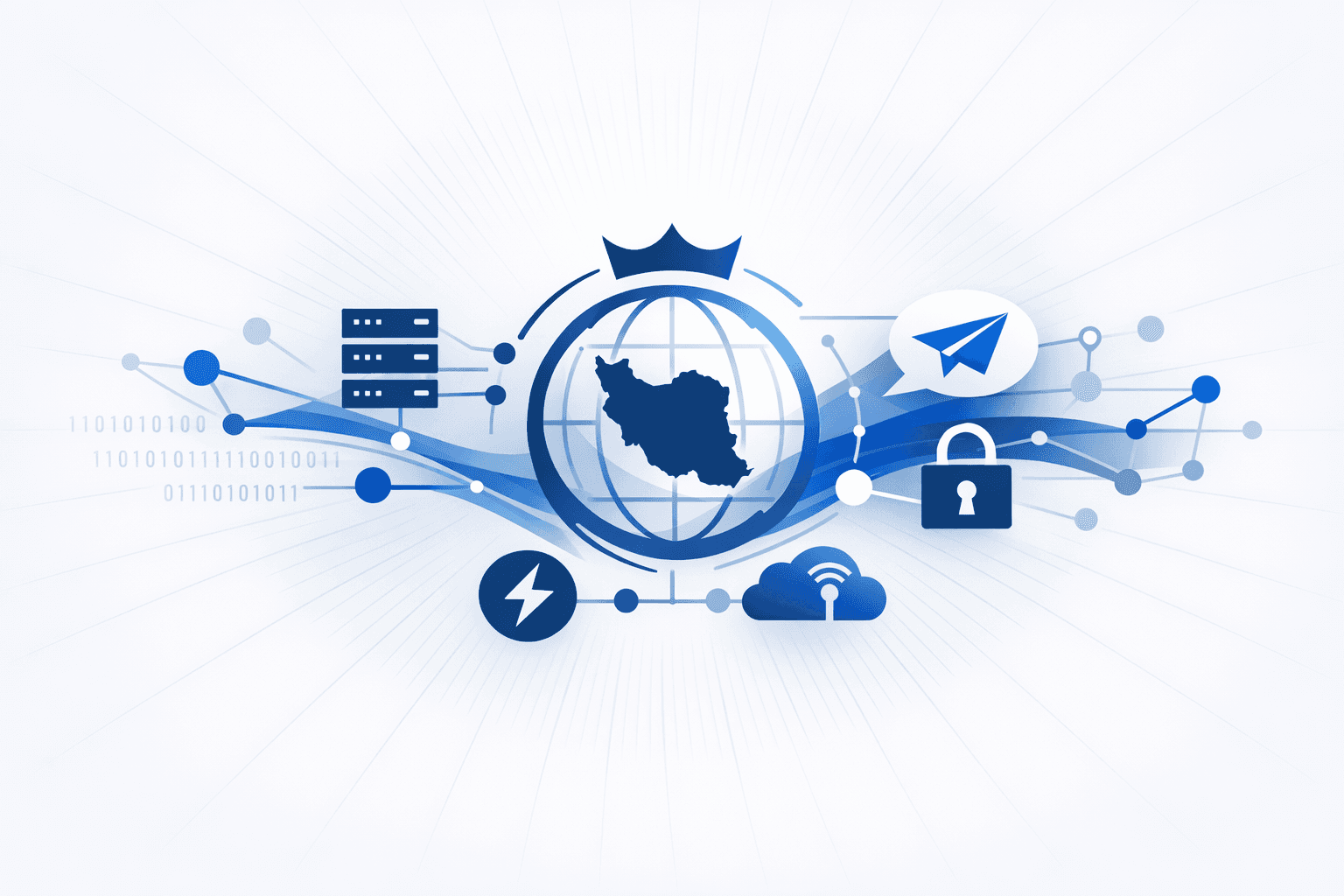
Multiple reports detail Iranian-linked espionage activity and tooling updates. SafeBreach described follow-on findings on the Iranian state-sponsored actor “Prince of Persia,” including at least three active variants of Foudre and Tonnerre malware, newly identified C2 infrastructure, and a Telegram-based data exfiltration channel; after publication, the actor rapidly rotated C2 servers and Telegram accounts, attempted to obscure victim-tracking artifacts, and appeared to attempt a retaliatory action against researchers that resembled prior attacks against open-source Python libraries.
Separately, Plone (a Python-based CMS) reported it prevented a supply-chain compromise after an attacker used a stolen developer GitHub personal access token to force-push whitespace-obfuscated malicious JavaScript into multiple repositories; the changes were detected before any official release, and GitHub assessed the payload was intended to compromise other developers (persistence via shell startup scripts, RCE, and theft of credentials/API keys/browser profiles/crypto wallet files). Additional Iranian activity was reported in an espionage campaign attributed to APT42 (IRGC-linked) using TAMECAT, a modular, largely in-memory PowerShell backdoor delivered after prolonged social engineering (e.g., WhatsApp rapport-building), with modules for browser data theft, screenshots, and file discovery; however, separate research on the Lazarus “Contagious Interview” campaign (fake job interviews and AnyDesk RAT backdoors) is unrelated to the Iranian-focused activity described elsewhere.
Why it matters
Impact assessment
Iranian state-linked activity in this reporting affects government, defense, research, and developer ecosystems, with both targeted espionage risk and software supply-chain exposure. The most severe impact is intelligence theft from high-value individuals and potential compromise of developer workstations that could have cascaded into downstream software trust issues, although the Plone incident was contained before a release.
Key impact points
- Prince of Persia/Infy activity is described as targeted espionage against individuals for intelligence collection.
- APT42 activity is described as targeting senior defense and government officials through prolonged social engineering.
- Plone developers were the intended victims of the prevented repository compromise, not end users of Plone-based websites according to GitHub.
- Potential business impacts include credential theft, browser-profile theft, API-key theft, crypto-wallet theft, document discovery, screenshot capture, and broader workstation takeover.
- Operational disruption risk is moderate to high for targeted victims because the malware families support persistence, remote command execution, and stealthy exfiltration.
- Reputational and supply-chain risk is significant for open-source projects because a successful malicious commit could have propagated trust compromise to downstream users.
Scope and exploitation
- Scope appears targeted rather than indiscriminate for the Iranian espionage operations.
- Prince of Persia/Infy operations were active in the wild, with SafeBreach observing live C2 rotation, Telegram-based exfiltration, and multiple active malware variants.
- APT42 TAMECAT activity is reported as an active espionage campaign against senior officials.
- The Plone supply-chain attempt was a real compromise of a developer account and repositories, but no official malicious release was published.
- SafeBreach also reported a suspected retaliatory or strike-back artifact tied to the actor’s Telegram channel, indicating elevated risk to researchers and developers analyzing the campaign.