StopICE App Breach and SMS Alert Abuse via Downstream Carrier API
Breach & Incident Intelligence · 2 sources · Updated 5mo ago · First seen Feb 2, 2026
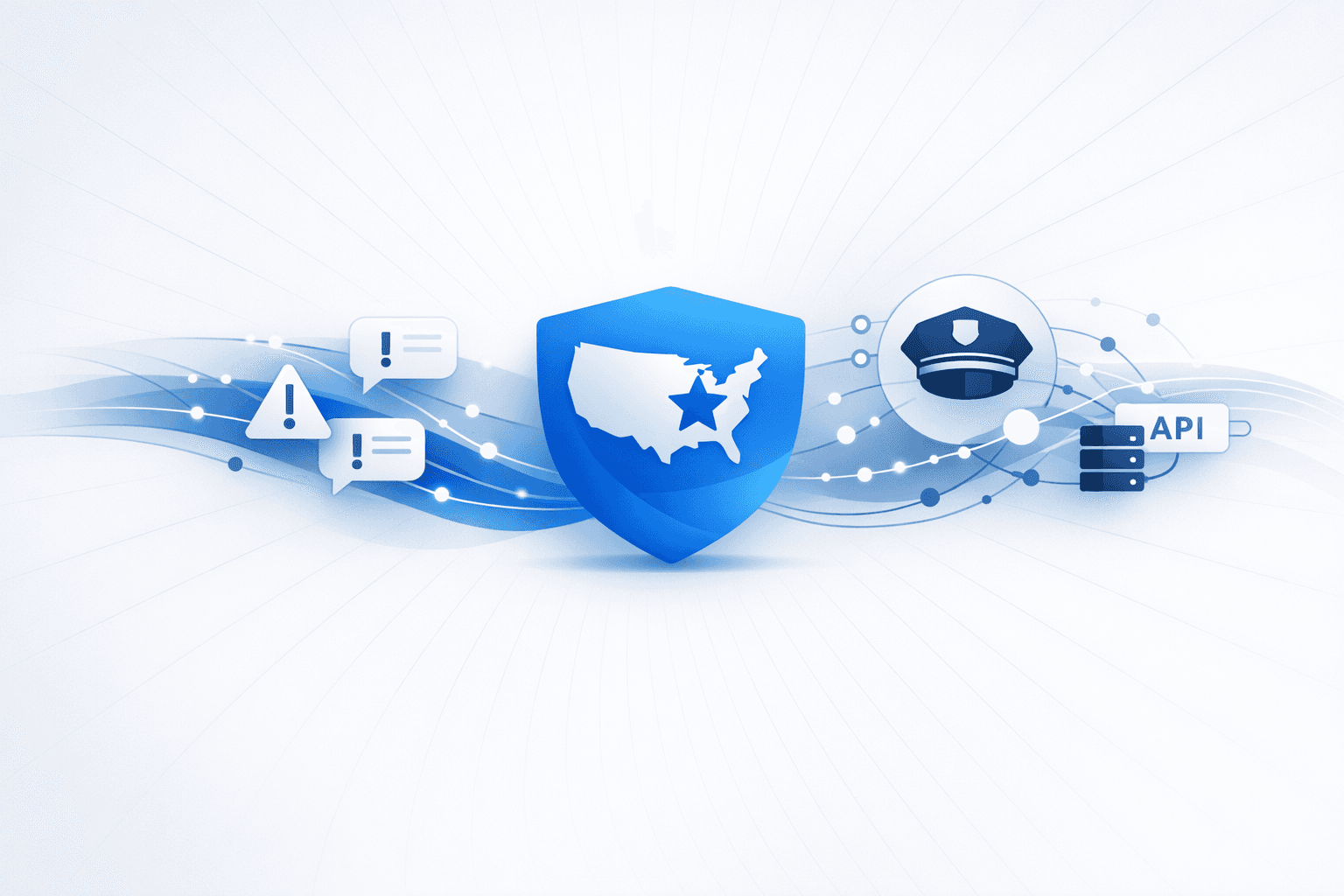
StopICE, an app used to track U.S. Immigration and Customs Enforcement (ICE) activity, reported a security incident after users received SMS messages urging them to uninstall the app. StopICE administrators attributed the activity to a “personal server” allegedly associated with a U.S. Customs and Border Protection (CBP) agent and said the attacker abused a downstream carrier API to spam users rather than compromising StopICE’s core systems. Public claims on social media alleged that attackers accessed and shared user data with law enforcement, including names, credentials, phone numbers, and location data; StopICE disputed holding most of that data and said the only potentially impacted population was users who opted into a “location assist” feature that collected geolocation to provide neighborhood-level alerts.
Separate reporting amplified allegations that over 100,000 users’ information (including GPS coordinates) was accessed and transmitted to U.S. federal agencies (FBI, ICE, HSI), and criticized StopICE leadership for allegedly not notifying users promptly. The same reporting period also included claims of a related compromise affecting another ICE-tracking app, Eyes Up, where attackers alleged the backend database lacked authentication and that they accessed/altered stored videos; no confirmation from Eyes Up was cited. Overall, the incident highlights risks from third-party messaging/telecom integrations and the potential safety impact of exposing activist-related location data, even when only a subset of users enable location-based features.
Why it matters
Impact assessment
The primary risk is to StopICE users, especially individuals who enabled the optional location-assist feature and may have exposed geolocation tied to activist activity. If the reported data access is accurate, the impact includes personal safety risk, privacy loss, intimidation, and potential reputational and legal fallout for the app operator.
The scope is disputed but potentially significant: public reporting alleges exposure of more than 100,000 users, while StopICE states its core systems were not compromised and limits possible impact to users reached through abused SMS infrastructure and possibly those who opted into location-assist. There are apparent signs of real-world malicious activity in the form of unsolicited SMS messages urging users to uninstall the app, but the full extent of backend data compromise remains unconfirmed.
Supporting facts
- Affected entity: StopICE, an app used to track U.S. Immigration and Customs Enforcement activity.
- Potentially affected population: StopICE users, particularly users enrolled in the optional location-assist feature.
- Reported abuse: users received SMS messages telling them to uninstall the app.
- StopICE position: attackers abused a downstream carrier API and did not compromise core systems.
- Public allegations: names, usernames/logins, passwords, phone numbers, and GPS/location data for more than 100,000 users were accessed and shared with FBI, ICE, and HSI.
- StopICE dispute: the app operator denied holding most of the claimed data categories.
- Secondary related claim: Eyes Up, another ICE-tracking/documentation app, was allegedly compromised via an unauthenticated backend database, but no confirmation was cited.
- Severity drivers: exposure of activist-related location data could enable targeting, surveillance, intimidation, or doxxing even if only a subset of users was affected.