ICE Expands Use of Commercial and Technical Surveillance Data for Immigration Enforcement
Regulatory & Policy · 2 sources · Updated 5mo ago · First seen Jan 28, 2026
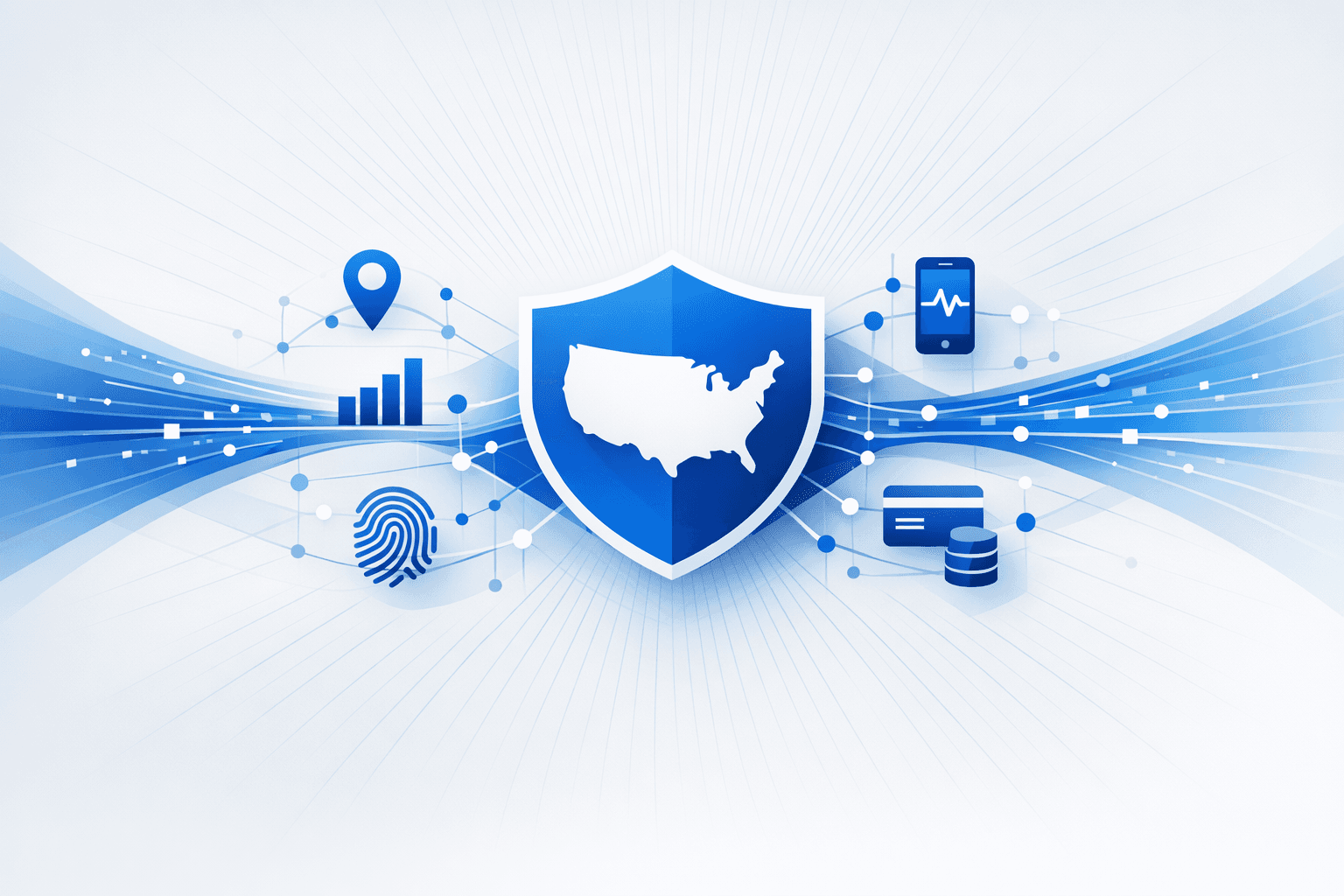
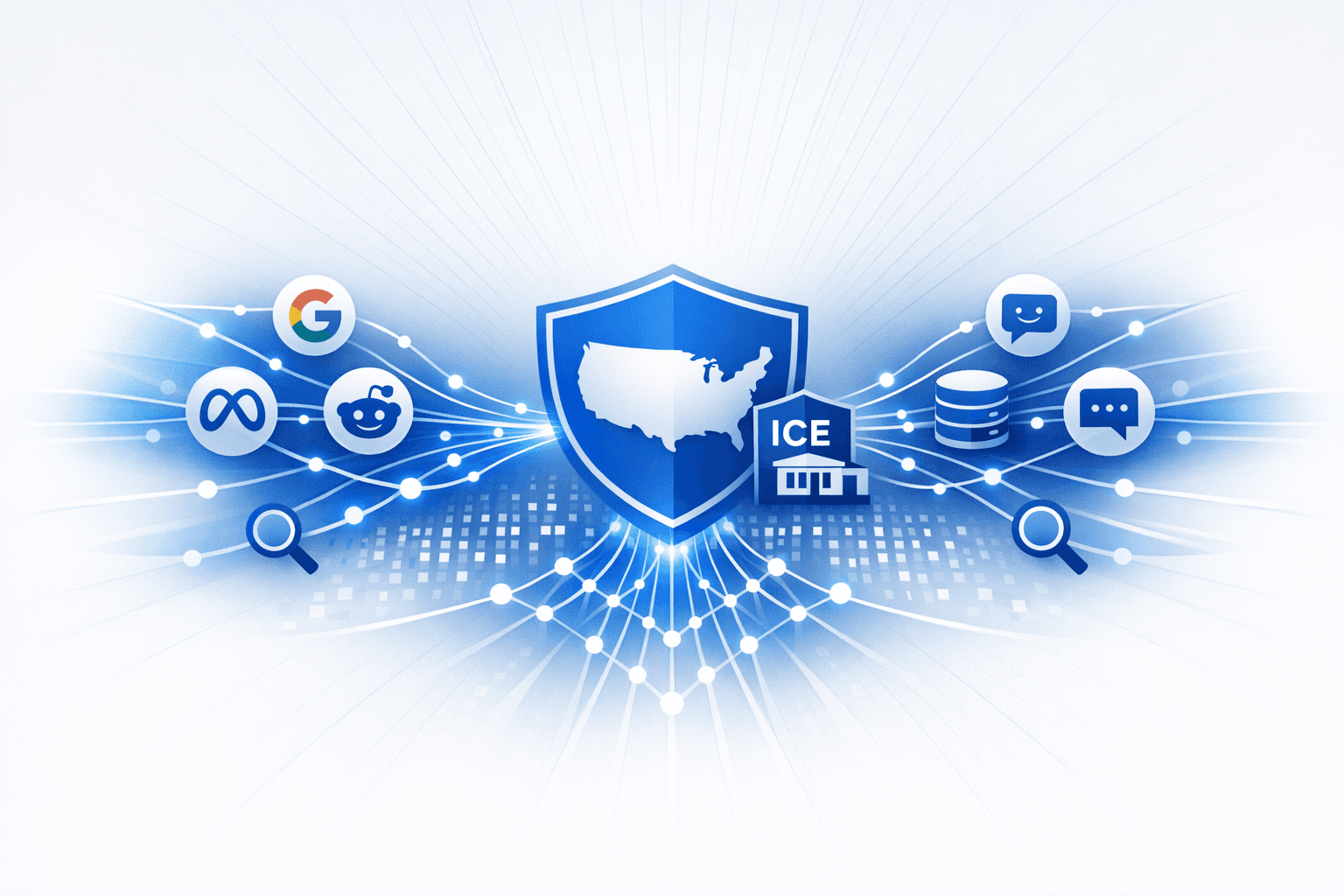
U.S. Immigration and Customs Enforcement (ICE) is exploring expanded access to commercially available data from online advertising and technology brokers to support investigations, issuing a Request for Information (RFI) to understand the availability of personal, financial, location, and health data and how it could be provided to federal investigative entities. The effort is framed as market research rather than a direct procurement, and follows an earlier RFI seeking open-source intelligence and social media data to improve targeting for ICE’s Enforcement and Removal Operations. Privacy and civil liberties advocates warn that purchasing brokered data can function as a workaround to traditional warrant requirements, and point to proposed legislation such as the Fourth Amendment Is Not For Sale Act as a potential constraint on government acquisition of data that would otherwise require judicial authorization.
Reporting on ICE’s broader deportation and enforcement posture describes the agency’s reliance on multiple surveillance technologies to identify and track individuals, including cell-site simulators (also known as stingrays / IMSI catchers) that impersonate cellular towers to locate and potentially identify nearby phones. The coverage also highlights legal controversy around enforcement tactics, including allegations of warrantless home entry that legal experts argue conflicts with Fourth Amendment protections. Separately, European policymakers are described as reassessing dependence on U.S. technology amid geopolitical tensions and sanctions risk, but that discussion is not specific to ICE’s surveillance or data-broker acquisition activity.
Why it matters
Impact assessment
ICE is expanding investigative access to commercially sourced personal data and multiple surveillance platforms, increasing exposure for individuals whose data is collected through ad tech, data brokers, mobile devices, vehicles, public records, and biometric systems. The primary affected population is people subject to immigration enforcement, but the collection methods also sweep in non-targets, creating broader privacy and civil-liberties risk for U.S. residents and visitors.
The impact is significant from a privacy, legal, and operational standpoint rather than a classic enterprise cyber-disruption event. The scope appears broad and systemic because the reporting describes agency-wide market research, active contracts, and use of large-scale surveillance tooling rather than a narrow or isolated operation; however, the story does not describe malware activity, data theft from private networks, or confirmed cyber exploitation in the wild.
Supporting details
- Affected entities and populations:
- U.S. Immigration and Customs Enforcement (ICE)
- Homeland Security Investigations (HSI)
- Enforcement and Removal Operations (ERO)
- Individuals subject to immigration enforcement
- Nearby non-target mobile users affected by cell-site simulator collection
- People whose data is present in brokered ad tech, public-record, facial-recognition, ALPR, and mobile-location datasets
- Severity and consequences:
- Increased surveillance and investigative reach using personal, financial, location, health, social media, and public-record data
- Potential reputational and legal risk for vendors and agencies tied to warrantless or opaque surveillance practices
- Potential civil-liberties harm from bulk collection and identification of non-targets
- Scope:
- Broad exposure due to use of commercial data brokers and enterprise surveillance platforms
- Not limited to a single incident or breach; reflects sustained procurement and capability expansion
- Exploitation status:
- No CVEs or software exploitation incidents are reported
- No confirmed malicious cyber campaign or intrusion activity is described