Mallory
← Back to News
identity-impersonation-fraudphishing-campaign-intelligencecredential-stealer-activityextension-plugin-hijack

North Korean Contagious Interview Campaign Targets Developers With Fake Recruiting Lures

Social Engineering & Fraud · 4 sources · Updated 5mo ago · First seen Feb 2, 2026

North Korean Contagious Interview Campaign Targets Developers With Fake Recruiting Lures

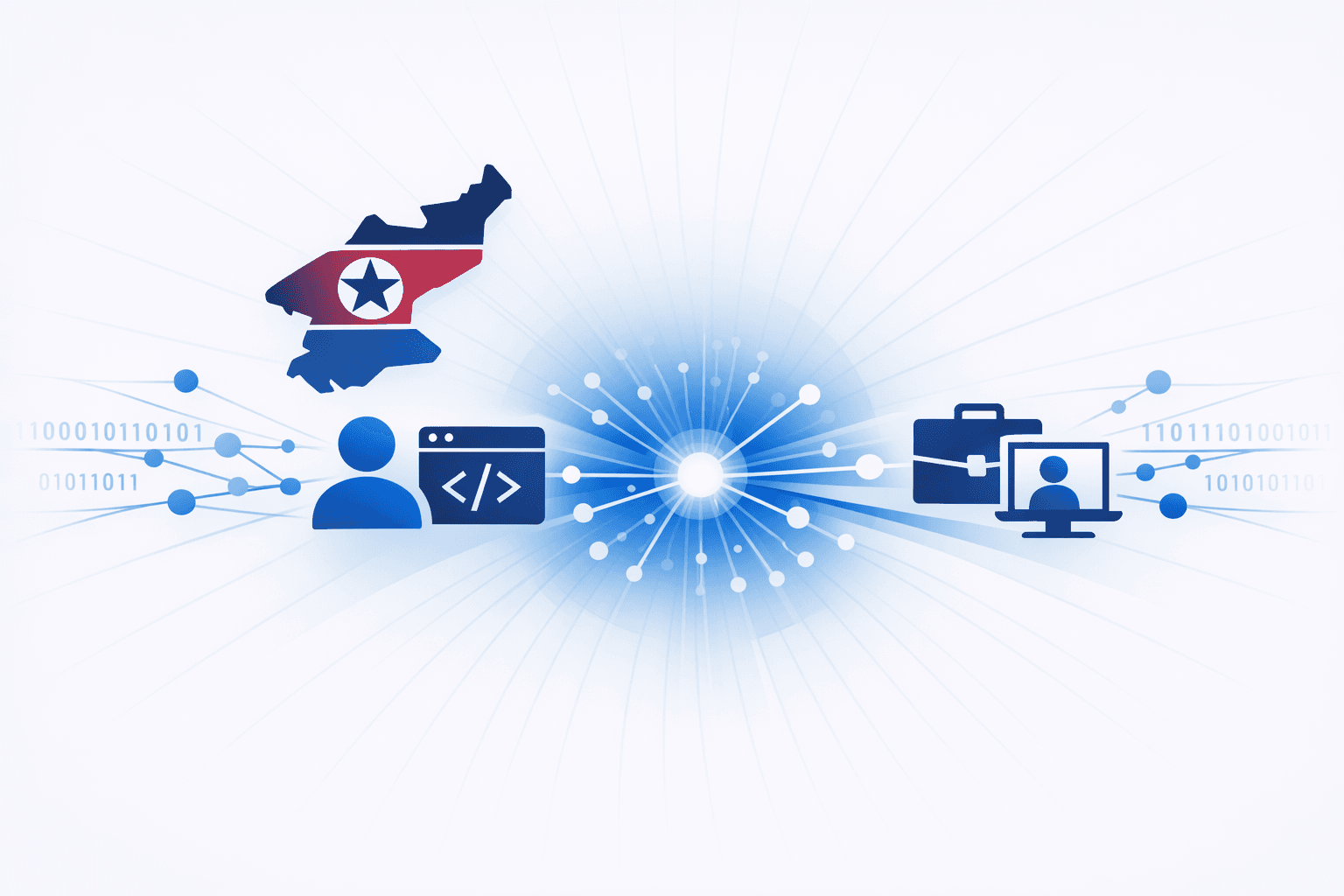
Reporting describes North Korea–linked “Contagious Interview” activity in which attackers pose as recruiters and use fake job processes to compromise software developers. The operation uses deceptive LinkedIn personas and malicious “coding test” repositories to deliver malware (including BeaverTail and follow-on multi-platform backdoors/RATs), creating downstream supply-chain risk when victims run the code on corporate devices with privileged access. Separately, a real-world example of the same broader tactic was highlighted when an AI security firm’s CEO reported a deepfake job applicant and other red flags during a hiring process, reinforcing that adversaries are operationalizing identity fraud and synthetic media to increase the success rate of developer-focused intrusion attempts.

The developer ecosystem continues to be a high-value target for initial access and credential theft, as shown by a separate incident in which a malicious Open VSX extension masquerading as an Angular language tool reached thousands of downloads and was reported to steal GitHub/NPM credentials, browser tokens, and crypto-wallet data while using resilient C2 techniques. In parallel, a high-severity CI/CD weakness was disclosed in the Eclipse Theia website repository (CVE-2026-1699), where a pull_request_target GitHub Actions workflow could allow untrusted PR code execution with access to repository secrets and broad GITHUB_TOKEN permissions—conditions that could enable package publishing, website tampering, or code pushes if exploited. Together, the activity underscores elevated risk around developer hiring workflows, developer tooling marketplaces, and CI pipelines as converging attack surfaces for credential theft and supply-chain compromise.

Why it matters

Impact assessment

Developer-focused intrusion activity is creating direct risk for software vendors, technology firms, cryptocurrency projects, and any enterprise that allows engineers to evaluate code, extensions, or candidates on corporate systems. The impact ranges from credential theft and endpoint compromise to CI/CD secret exposure and downstream supply-chain compromise, with both targeted espionage and broader opportunistic marketplace abuse represented.

Summary

The story affects organizations that employ software developers, maintain GitHub Actions pipelines, or rely on developer tooling marketplaces such as Open VSX. Severity is high because successful compromise can expose source code, repository secrets, package publishing credentials, browser tokens, and crypto-wallet data, enabling follow-on intrusion, malicious package publication, website tampering, and reputational damage.

Supporting details

  • PurpleBravo is described as a North Korean state-sponsored threat group targeting software developers through fake recruiting and coding-test lures.
  • Reported targeting includes software development and cryptocurrency sectors.
  • The campaign reportedly affected more than 20 organizations and 3,136 IP addresses, primarily in South Asia and North America.
  • Corporate devices are specifically at risk when developers execute recruiter-supplied code on work systems.
  • The hiring-fraud reporting shows adversaries are using deepfake identity fraud to improve access to developer and security-sensitive roles.
  • Amazon reported blocking more than 1,800 suspected DPRK scammers from joining its workforce since April 2024 and observed a 27% quarter-over-quarter increase in DPRK-affiliated applications in 2024.
  • The Open VSX incident reportedly compromised more than 5,000 developer workstations, indicating broad exposure rather than narrowly targeted victimology.
  • The Eclipse Theia CI/CD weakness could have enabled malicious package publishing under the eclipse-theia organization, official website modification, and repository code tampering if exploited.
  • Known exploitation in the wild is reported for the recruiter-lure malware campaign and the malicious Open VSX extension. The provided material does not confirm in-the-wild exploitation of CVE-2026-1699, but the exposure is actionable due to the privilege level described.

Is your org in this campaign?Get the infrastructure and lures behind it.
Hunt this campaign
Event timeline

How this story unfolded

Events from the most recent confirmed update back to the earliest known activity.

7 events · Jan 1, 2023 – Feb 1, 2026
  1. Feb 1, 202610mo ago

    PurpleBravo campaign escalation against developers is reported

    Reporting described North Korean threat group PurpleBravo as escalating the Contagious Interview campaign by targeting developers with fake LinkedIn recruiters and malicious GitHub repositories. The activity was said to have affected 3,136 IP addresses and more than 20 organizations, increasing software supply-chain risk.

  2. Feb 1, 202610mo ago

    Expel identifies suspected deepfake North Korean job applicant

    Expel CEO Jason Rebholz described a suspected North Korea-linked fake IT worker who applied for a security researcher role and appeared in a video interview that showed signs of deepfake manipulation. Analysis by Moveris reportedly confirmed the interview video was a deepfake.

  3. Jan 30, 202610mo ago

    CVE-2026-1699 disclosed in Eclipse Theia GitHub Actions workflow

    A code execution vulnerability in the Eclipse Theia Website repository's GitHub Actions workflow was identified and disclosed as CVE-2026-1699. The issue stemmed from use of `pull_request_target` while executing untrusted pull request code, potentially exposing secrets and enabling malicious changes to Theia assets.

  4. Jan 30, 202610mo ago

    Open VSX malware campaign compromises over 5,000 developer systems

    The weaponized Open VSX extension remained undetected for about two weeks and reached 5,066 downloads, leading to the compromise of more than 5,000 developer workstations. The malware used Solana blockchain transaction memos for command-and-control and a Google Calendar fallback mechanism.

  5. Jan 16, 202611mo ago

    Malicious Open VSX extension is published

    A malicious extension masquerading as "Angular Language Service" was published to the Open VSX marketplace. It bundled legitimate Angular and TypeScript components with encrypted malware aimed at stealing developer credentials, tokens, and cryptocurrency wallets.

  6. Apr 1, 20243y ago

    Amazon begins blocking suspected DPRK fake IT worker applicants

    Amazon said it had blocked more than 1,800 suspected North Korean employment-fraud applicants from joining its workforce since April 2024. The company also reported a quarter-over-quarter increase in DPRK-affiliated applications.

  7. Jan 1, 20234y ago

    Contagious Interview campaign first observed targeting developers

    A North Korea-linked campaign dubbed "Contagious Interview" was first noted in 2023, using fake recruiter personas and malicious coding tests to target software developers. The activity later became associated with malware families including BeaverTail and GolangGhost.

Linked entities

Related entities

Vulnerabilities, threat actors, malware, products, organizations, and breaches Mallory has linked to this story.

Open in app →

Threat actors

1 linked

Organizations

1 linked
Expel
Do you run this?Get the infrastructure, lures, and IOCs behind this campaign, ready to push into your email and identity stack.
Hunt This Campaign
Mallory platform

See the full picture, correlated to your attack surface.

This page covers what’s public. Mallory adds the parts that aren’t: which of your assets are affected, which threat actors are using it right now, and what to deploy next.

Exposure mappingMap indicators from this story to your assets and identify affected systems in minutes.
Threat actor evidenceEvery observed campaign, victim, and pivot linked to actors named in this story.
Associated malwareMalware, exploits, and IOCs connected to the activity described here.
Detection signaturesYARA, Sigma, and Snort rules deployed to your SIEM as soon as they’re published.
Scheduled alertsGet matching new stories delivered to your team as they break, not the next morning.
AI threadsAsk questions about this story and take action on the answers.