Mallory
← Back to News
package-repository-poisoningcryptocurrency-platform-riskcredential-stealer-activityopen-source-dependency-vulnerability

JavaScript Supply-Chain Risk: Malicious npm Package and Package Manager Guardrail Bypasses

Supply Chain Risk · 4 sources · Updated 5mo ago · First seen Jan 28, 2026
JavaScript Supply-Chain Risk: Malicious npm Package and Package Manager Guardrail Bypasses

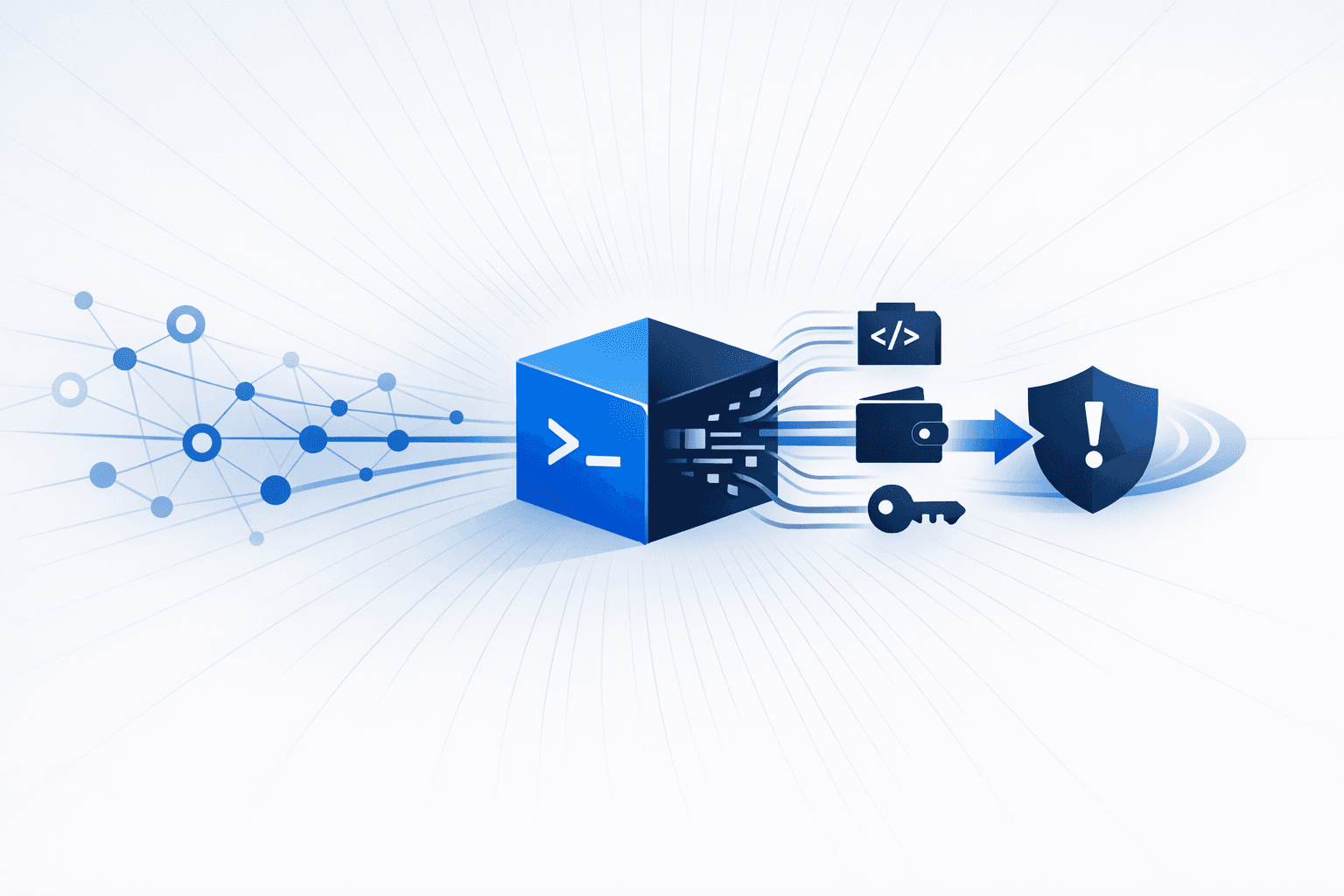
Security researchers reported an npm supply-chain compromise involving a malicious package, polymarket-clob, that targeted cryptocurrency users by exfiltrating sensitive local files (including .env, wallets.json, and keys/*.json) to attacker-controlled infrastructure. The package was published in the npm registry, downloaded at least 189 times (lower bound), and later removed and replaced with a security placeholder; analysis of the code and infrastructure pivoting linked the campaign to broader activity consistent with wallet-drainer operations and Vidar stealer-related infrastructure, including reuse of SSH fingerprints and consistent hosting patterns.

Separately, researchers disclosed six JavaScript “zero-day” bypass issues across multiple package managers—npm, pnpm, vlt, and Bun—that undermine common defensive controls used to reduce supply-chain risk, including disabling lifecycle scripts and relying on lockfile integrity. The issues (dubbed “PackageGate”) reportedly enable paths to regain install-time code execution or weaken integrity guarantees via mechanisms such as Git dependency handling, tar extraction behaviors, and incomplete integrity coverage for URL-based tarballs; pnpm, vlt, and Bun were reported as patched, while npm characterized the behavior as “works as expected,” raising concern that package-manager-level weaknesses could enable large-scale compromise even in hardened environments.

Why it matters

Impact assessment

This story affects JavaScript development environments, CI/CD pipelines, and organizations that consume npm ecosystem packages, with elevated risk for cryptocurrency users, DeFi developers, and teams handling wallet or API key material on developer workstations. The impact includes credential theft, wallet key exfiltration, potential fund loss, and possible persistence via an SSH backdoor, while the package-manager bypass issues expand exposure beyond a single malicious package to hardened environments that rely on lifecycle-script blocking and lockfile integrity.

The malicious package activity appears targeted rather than internet-wide, but the package-manager weaknesses create broader ecosystem exposure because they affect common trust controls across npm, pnpm, vlt, and Bun. There is evidence of real-world malicious use: the package was downloaded at least 189 times, researchers documented exfiltration infrastructure and attacker-linked wallets, and the campaign overlaps with infrastructure previously associated with wallet-drainer and Vidar stealer activity.

Supporting facts

  • Targeted population: Polymarket users and cryptocurrency operators handling local wallet/key files.
  • Broader affected population: JavaScript developers, build systems, and enterprises using npm, pnpm, vlt, or Bun.
  • Business impact: theft of secrets from .env, wallet files, and key stores; potential unauthorized blockchain transfers; possible developer-host compromise if SSH backdoor claims are accurate.
  • Operational impact: compromise of developer endpoints and CI runners can lead to downstream software supply-chain exposure.
  • Scope: polymarket-clob had at least 189 downloads, a lower bound on potential victims.
  • Exploitation in the wild: yes, via a published malicious npm package removed after distribution.
  • Ecosystem concern: PackageGate bypasses can undermine common hardening controls even when teams disable lifecycle scripts or rely on lockfiles.

Does this reach your builds?Trace attribution and downstream blast radius.
Trace the chain
Event timeline

How this story unfolded

Events from the most recent confirmed update back to the earliest known activity.

8 events · Jan 27, 2026 – Apr 12, 2026
  1. Apr 12, 20268mo ago

    Panther report links Polymarket npm theft to DPRK-linked tradecraft

    A Panther report publicly attributed the malicious npm activity targeting Polymarket traders to DPRK-linked tradecraft, tagged as Famous Chollima. The report also said the package stole wallet keys and installed an SSH backdoor, adding new technical and attribution details to the incident.

    Post by @lazarusholic.bsky.social - Bluesky
  2. Jan 27, 202610mo ago

    npm declines fix, saying behavior works as expected

    npm, owned by Microsoft, told researchers that the reported behavior "works as expected" rather than issuing a patch. The response drew criticism that significant package-manager security gaps remained unaddressed.

  3. Jan 27, 202610mo ago

    pnpm, vlt, and Bun patch PackageGate flaws

    Following Koi's reporting, pnpm, vlt, and Bun patched the disclosed PackageGate vulnerabilities. The fixes addressed weaknesses including Git dependency handling, incomplete integrity coverage for URL-based tarballs, tar extraction path traversal, and allow-list spoofing.

  4. Jan 27, 202610mo ago

    Koi discloses six PackageGate zero-days in JavaScript package managers

    Researchers at Koi disclosed "PackageGate," a set of six zero-day vulnerabilities affecting npm, pnpm, vlt, and Bun. The flaws could bypass common supply-chain defenses such as disabling lifecycle scripts and relying on lockfile integrity hashes, potentially restoring install-time code execution for attackers.

  5. Date unknown

    Malicious polymarket-clob package is removed from npm

    After its malicious behavior was identified, the "polymarket-clob" package was later removed from the npm registry. The removal followed discovery that it was stealing sensitive data and wallet-related material from users.

  6. Date unknown

    Malicious npm package polymarket-clob targets Polymarket users

    The npm package "polymarket-clob" was used to exfiltrate sensitive local files, including environment variables and wallet or key material, from Polymarket users to attacker-controlled infrastructure. On-chain evidence from a reported victim showed a small ETH transfer to an address assessed as attacker-controlled.

  7. Date unknown

    Vidar Stealer telemetry overlaps with shared infrastructure cluster

    Historical telemetry showed one IP in the identified infrastructure cluster overlapping with Vidar Stealer detections during the same timeframe. This indicated the infrastructure had also been used in other malware activity, though not conclusively by the same operator.

  8. Date unknown

    Wallet drainer tied to fake Monad testnet infrastructure appears

    An older "Monad testnet" GitHub-script wallet drainer was used to harvest Ethereum private keys from wallet.txt files and send them to infrastructure later linked to other malicious activity. Subsequent analysis connected this infrastructure to domains impersonating blockchain testnet services.

Linked entities

Related entities

Vulnerabilities, threat actors, malware, products, organizations, and breaches Mallory has linked to this story.

Open in app →

Affected products

1 linked
Npm

Organizations

1 linked
Polymarket
Do you run this?See attribution and downstream blast radius, and whether this package or vendor reaches your builds.
Trace the Supply Chain
Mallory platform

See the full picture, correlated to your attack surface.

This page covers what’s public. Mallory adds the parts that aren’t: which of your assets are affected, which threat actors are using it right now, and what to deploy next.

Exposure mappingMap indicators from this story to your assets and identify affected systems in minutes.
Threat actor evidenceEvery observed campaign, victim, and pivot linked to actors named in this story.
Associated malwareMalware, exploits, and IOCs connected to the activity described here.
Detection signaturesYARA, Sigma, and Snort rules deployed to your SIEM as soon as they’re published.
Scheduled alertsGet matching new stories delivered to your team as they break, not the next morning.
AI threadsAsk questions about this story and take action on the answers.