Mallory
← Back to News
widely-deployed-product-advisoryidentity-authentication-vulnerabilityfinancial-sector-threat

Google Expands Android Theft Protection With Stronger Authentication and Identity Check

Patch & Detection Intelligence · 10 sources · Updated 5mo ago · First seen Jan 27, 2026

Google Expands Android Theft Protection With Stronger Authentication and Identity Check

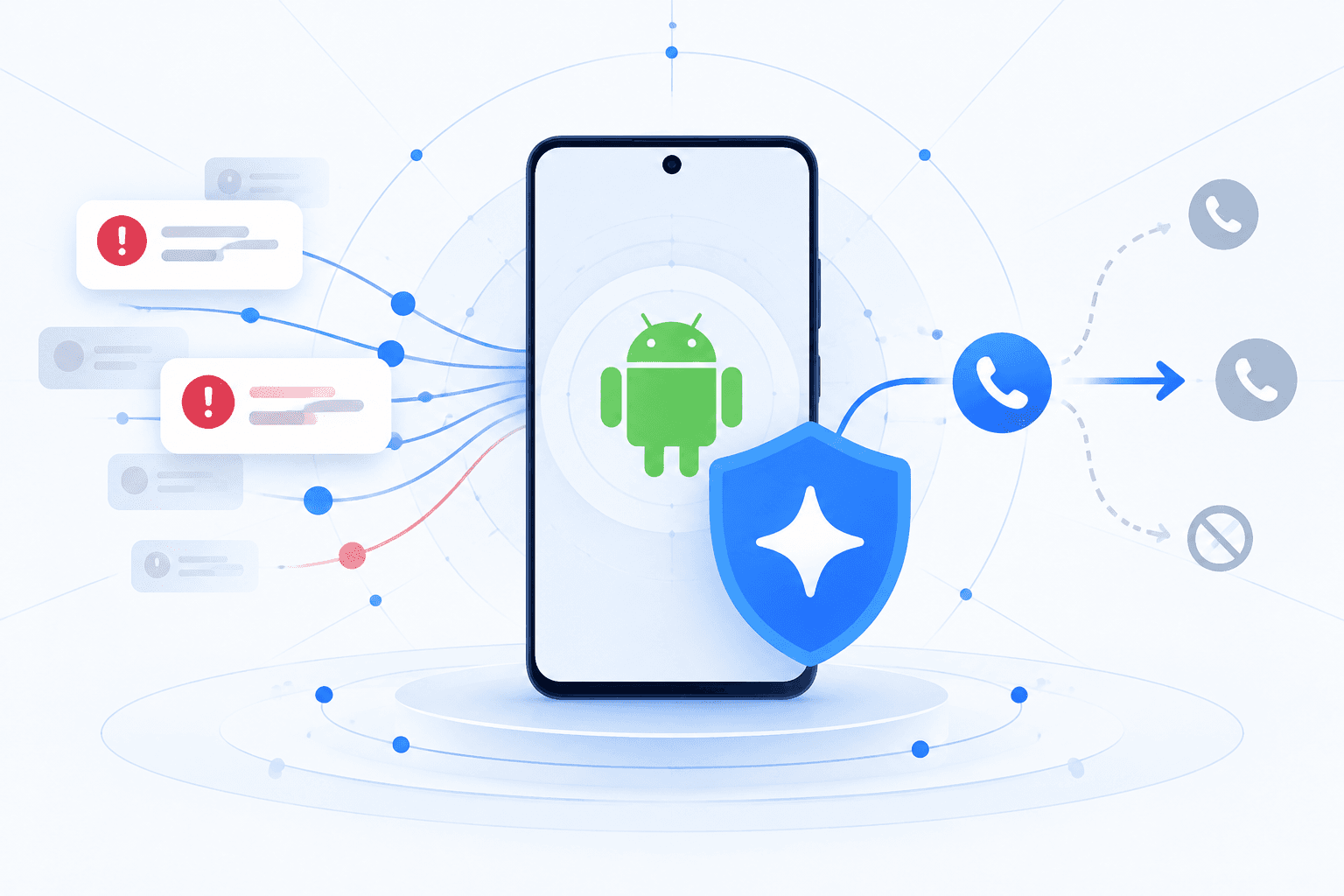
Google announced updated Android Theft Protection capabilities aimed at reducing account takeover and financial fraud risks following device theft, with availability starting on devices running Android 16+. The updates strengthen authentication safeguards by making screen lock guessing harder (longer lockout periods after repeated failed PIN/pattern/password attempts) and by improving controls around lock behavior after excessive failed authentications, including a dedicated settings toggle for Failed Authentication Lock.

Google also expanded Identity Check—which requires biometric authentication for sensitive actions when the device is outside trusted places—to cover a broader set of actions and apps that use the Android Biometric Prompt, including third-party banking apps and Google Password Manager. In parallel, Android’s Remote Lock capabilities were highlighted as part of the theft-response toolset, giving users more control to lock a lost or stolen device and limit further misuse.

Why it matters

Impact assessment

Google’s update affects Android users and enterprises with managed Android fleets, especially users of Android 16+ devices and organizations that rely on mobile access to banking apps, password managers, and corporate data. The impact is defensive rather than incident-driven: the changes reduce post-theft account takeover, financial fraud, and unauthorized access risk, with broader exposure for consumer and enterprise mobile populations and no reported exploitation campaign tied to this announcement.

Affected populations

  • Android 16+ devices receive the stronger authentication safeguards.
  • Android 10+ devices receive Remote Lock recovery enhancements.
  • Users of banking apps, Google Password Manager, and other apps using Android Biometric Prompt are directly affected by expanded Identity Check coverage.
  • Enterprises with BYOD or corporate-owned Android devices are affected where stolen phones can expose work accounts, MFA prompts, stored credentials, and sensitive business data.
  • Newly activated Android devices in Brazil are specifically affected by default enablement of Theft Detection Lock and Remote Lock.

Severity and scope

  • Severity is moderate from a business-risk perspective because the update reduces common downstream impacts of phone theft: account compromise, financial fraud, identity theft, and data exposure.
  • Scope is broad across the Android ecosystem, but the feature rollout is version-dependent rather than universal.
  • The Brazil default-on change indicates regional prioritization for higher theft-risk environments.
  • No confirmed in-the-wild exploitation, breach, or active threat campaign is described in the references.

Structured facts extracted from references

  • Entities: Google, Android Security Team, Google Password Manager.
  • Products/features: Android Theft Protection, Failed Authentication Lock, Identity Check, Remote Lock, Theft Detection Lock, Android Biometric Prompt.
  • Availability: authentication safeguards on Android 16+; recovery tooling updates on Android 10+.
  • Region-specific rollout: Theft Detection Lock and Remote Lock enabled by default for newly activated devices in Brazil.

Patch this, or something else?See real exploitation activity before you spend the cycle.
Triage this advisory
Event timeline

How this story unfolded

Events from the most recent confirmed update back to the earliest known activity.

5 events · Jan 1, 2024 – Jan 27, 2026
  1. Jan 27, 202610mo ago

    Updated theft-protection features roll out to supported Android versions

    Google said the new authentication safeguards are rolling out to Android 16+ devices, while enhanced Remote Lock recovery protections are being made available on Android 10+ devices. Multiple reports described the features as available now or rolling out following the announcement.

  2. Jan 26, 202610mo ago

    Google enables theft-protection defaults for new Android devices in Brazil

    As part of the January 2026 update, Google said newly activated Android devices in Brazil will have Theft Detection Lock and Remote Lock enabled by default. The change uses on-device AI theft detection and reflects a regional hardening step for out-of-the-box protection.

  3. Jan 26, 202610mo ago

    Google announces expanded Android theft-protection updates

    Google announced a new set of Android theft-protection updates aimed at reducing device takeover, financial fraud, and data theft after phone theft. The update includes stronger screen-lock guessing defenses, broader Identity Check coverage, a dedicated Failed Authentication Lock toggle, and an optional ownership challenge for Remote Lock.

  4. Oct 1, 20242y ago

    Google introduces Android theft protection features

    Google first introduced Android theft protection features, which later updates would build on. Subsequent reporting says these protections were first introduced in October 2024.

  5. Jan 1, 20243y ago

    Google begins beta testing Android theft-protection features in Brazil

    Google began beta testing key Android theft-protection features in Brazil, a high-risk market for phone theft, according to later reporting. The testing preceded a broader policy change to enable some protections by default on new devices in the country.

Linked entities

Related entities

Vulnerabilities, threat actors, malware, products, organizations, and breaches Mallory has linked to this story.

Open in app →

Affected products

1 linked
Android

Organizations

1 linked
Google
Do you run this?See real exploitation activity behind this advisory so you can triage it against everything else in the queue.
Prioritize This Patch
Mallory platform

See the full picture, correlated to your attack surface.

This page covers what’s public. Mallory adds the parts that aren’t: which of your assets are affected, which threat actors are using it right now, and what to deploy next.

Exposure mappingMap indicators from this story to your assets and identify affected systems in minutes.
Threat actor evidenceEvery observed campaign, victim, and pivot linked to actors named in this story.
Associated malwareMalware, exploits, and IOCs connected to the activity described here.
Detection signaturesYARA, Sigma, and Snort rules deployed to your SIEM as soon as they’re published.
Scheduled alertsGet matching new stories delivered to your team as they break, not the next morning.
AI threadsAsk questions about this story and take action on the answers.