Google Expands Android Phone Verification and AI Scam Call Defenses
Social Engineering & Fraud · 2 sources · Updated 4mo ago · First seen Jul 22, 2026

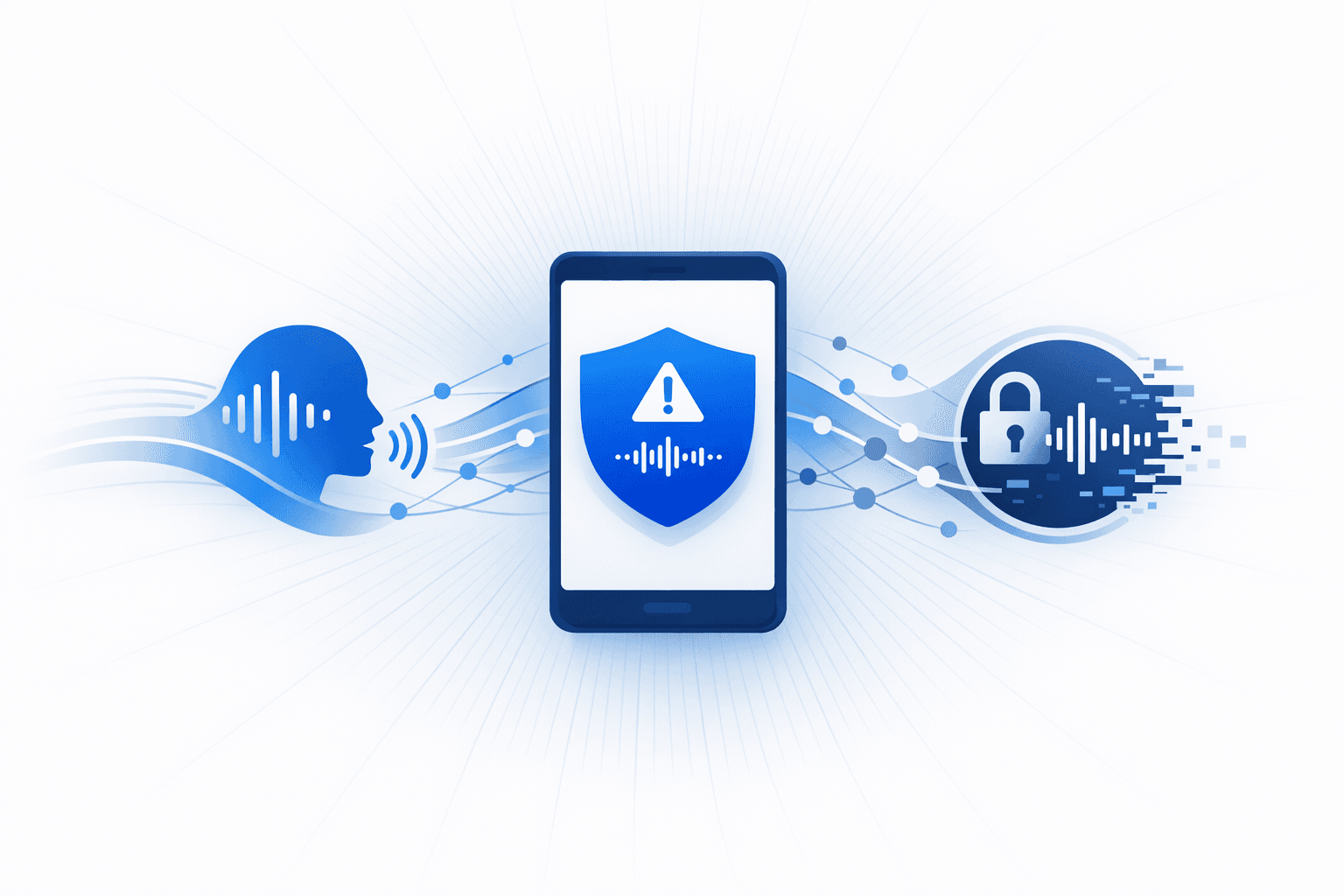
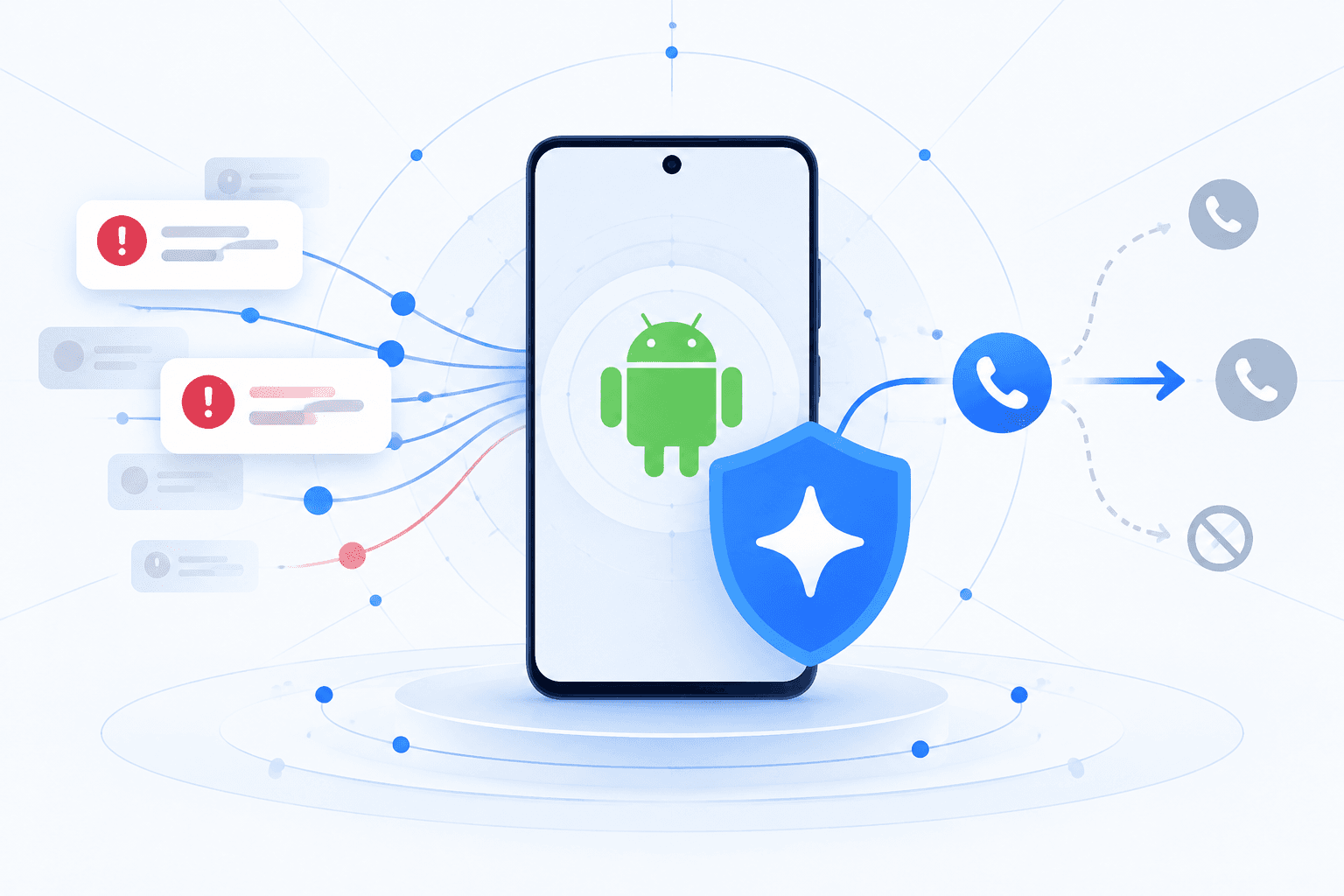
Google has expanded Android protections that tie a phone number to a device and Google accounts, while also adding fake call detection aimed at stopping deepfake-enabled phone scams. Reporting on the new anti-scam feature indicates Android can analyze calls for signs of impersonation and other fraudulent behavior, reflecting Google’s broader push to harden mobile devices against voice-based social engineering attacks.
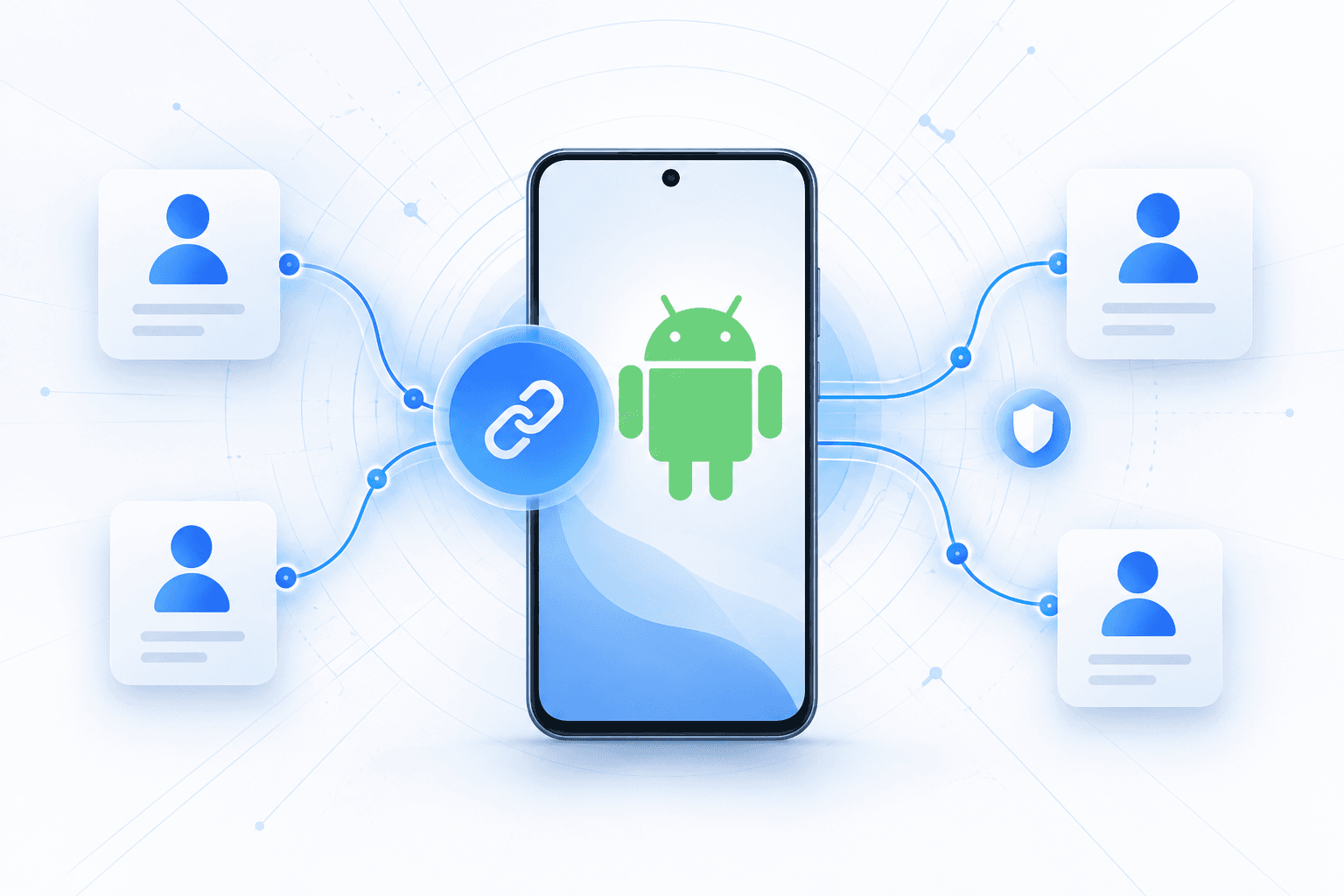
Separate reporting on Android’s phone number verification shows Google verifies that a SIM associated with a number is physically present in a device, then links that verified number to active Google accounts for services including RCS messaging, account recovery, emergency features, and anti-scam protections. The process has used hidden SMS messages and now increasingly relies on carrier APIs that exchange encrypted device and SIM-related data; the feature is enabled by default, can generate “number is now verified” alerts, and has raised privacy concerns because one verified number may be associated with multiple Google accounts on the same device.
Why it matters
Impact assessment
Google’s changes primarily affect Android users and organizations that rely on Android devices for messaging, account recovery, and voice communications. The immediate security impact is defensive rather than a newly disclosed compromise: Google is expanding anti-scam controls against spoofed-number and AI/deepfake-enabled impersonation calls, while broadening default phone-number verification across devices and Google accounts.
The main business risk is a mix of privacy exposure and operational dependency. Verified numbers can be automatically linked to multiple Google accounts on the same device, and disabling the feature may break RCS messaging and reduce account recovery convenience; this creates potential user support burden, privacy concerns, and account-management friction rather than direct destructive impact.
Affected populations
- Android device users
- Enterprises with managed Android fleets
- Users of Google Messages with RCS enabled
- Users relying on Google account recovery, quick sign-in, 2FA, Find My Device, remote lock, and emergency features
- Privacy-sensitive users with multiple Google accounts on one device
Severity and scope
- Scope is broad because the feature is enabled by default and runs during device setup and periodically afterward.
- Impact is widespread across Android ecosystems rather than targeted to a specific sector.
- No confirmed malicious exploitation tied to this story is described; the anti-scam feature is intended to reduce exploitation from phone spoofing and impersonation scams.
Known incidents or exploitation
- The story references voice-based social engineering and deepfake-enabled scam calls as the threat model.
- No specific in-the-wild campaign, actor, or victim set is identified in the provided content.
Structured facts extracted
- Entities: Google, Android, Google Messages, Firebase, mobile carriers, Electronic Frontier Foundation
- Products/features: phone number verification, fake call detection, RCS messaging, account recovery, Find My Device, remote phone lock, Quick Share, Google Meet/Duo
- User-visible artifact: “number is now verified” notification
- Exposure theme: default-enabled phone/SIM verification and automatic linkage of one verified number to multiple Google accounts on the same device