Malicious npm Package “ansi-universal-ui” Delivers G_Wagon Infostealer Targeting Developer Secrets
Supply Chain Risk · 4 sources · Updated 5mo ago · First seen Jan 27, 2026

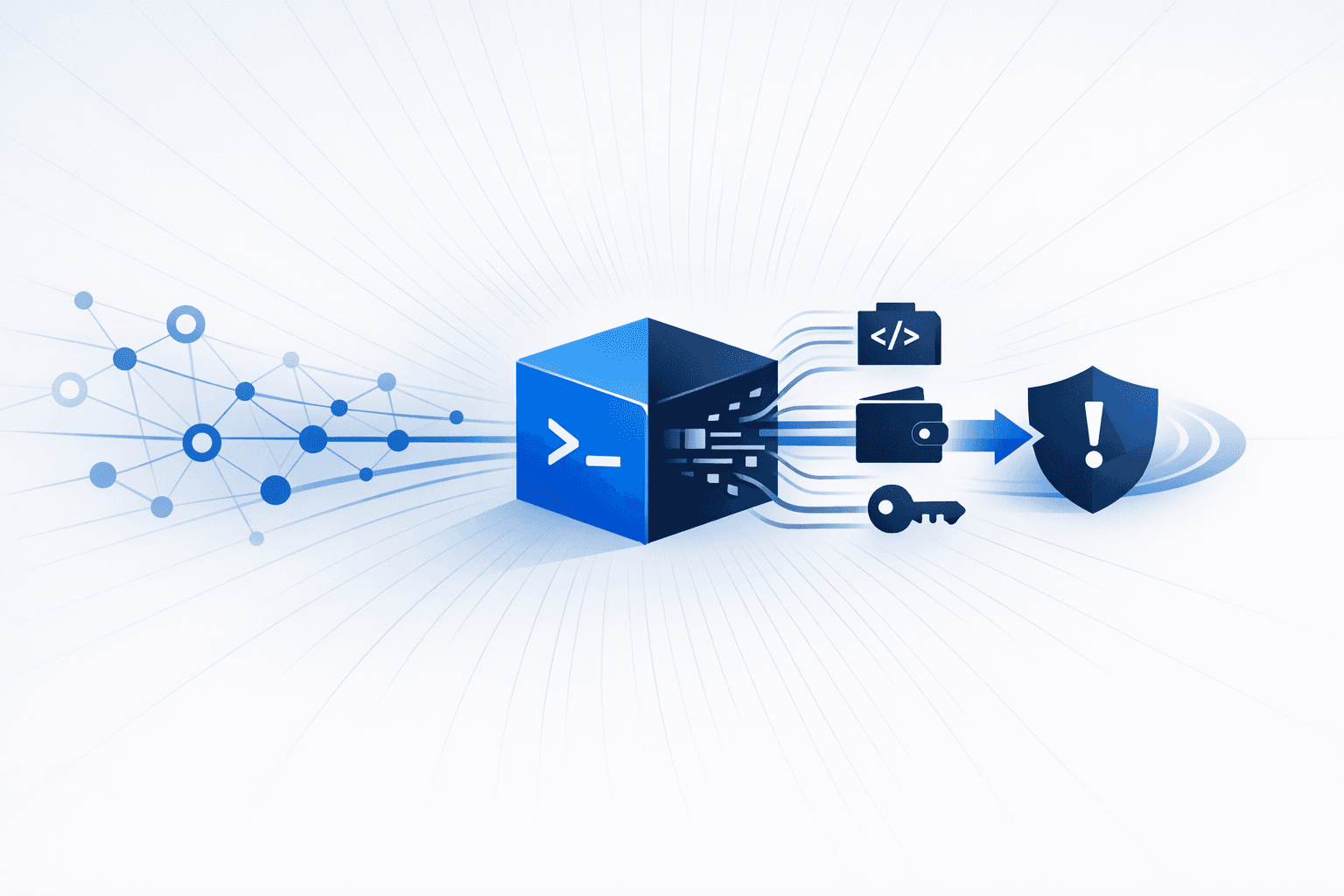
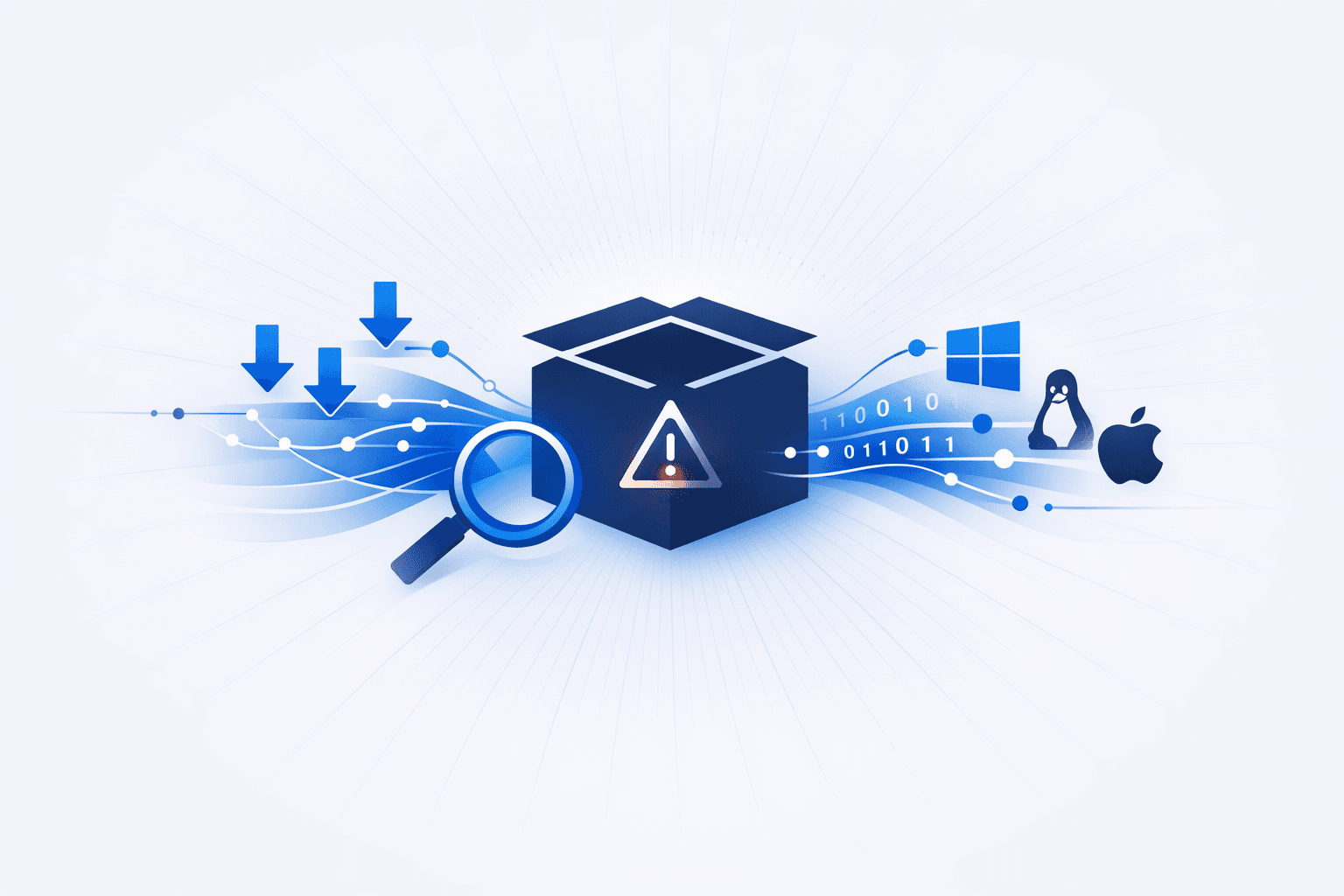
Security researchers reported a supply-chain attack delivered via a malicious npm package, ansi-universal-ui, masquerading as a legitimate UI component library. The package, dubbed G_Wagon by Aikido, used a multi-stage infection chain: after installation it executed an obfuscated loader, downloaded its own Python runtime to evade local restrictions, and then ran a Python-based stealer that exfiltrated sensitive data including browser credentials, cryptocurrency wallets, cloud credentials, and Discord tokens to an Appwrite storage bucket. The campaign showed rapid iteration, with roughly 10 package versions published over two days, progressing from basic scaffolding to adding C2 configuration and a “full Python payload with browser injection.”
Technical analysis indicated the payload included a large base64 blob that decoded to an XOR-encrypted Windows DLL, which was injected into browser processes using Windows native APIs (e.g., NtAllocateVirtualMemory). Separately, reporting highlighted that npm and Yarn package-manager behaviors can leave “unplugged holes” that attackers may exploit to bypass certain defenses aimed at malicious dependency activity (referencing “Shai-Hulud”), reinforcing the broader risk that package-manager edge cases and ecosystem trust can be leveraged for supply-chain compromise. A paywalled report about a Firefox WebRTC RCE with public exploit code appears unrelated to the npm malware activity and does not materially contribute details to this incident.
Why it matters
Impact assessment
This is a high-severity software supply-chain compromise targeting developer workstations through a malicious npm package, ansi-universal-ui. The primary affected population is software developers and organizations that allow npm package installation in build, CI, or endpoint environments, with elevated risk to teams handling cloud infrastructure, source code, wallets, and privileged browser-stored secrets.
The impact includes credential theft, cloud account compromise, wallet theft, session hijacking, and follow-on intrusion into enterprise infrastructure. Exposure appears targeted through package installation rather than internet-wide exploitation, but any user who installed affected versions was at risk; reporting indicates active malicious behavior in the wild via published npm releases.
Supporting facts
- Malicious package:
ansi-universal-ui - Malware family/name:
G_Wagon - Affected malicious versions:
1.3.5through1.4.1 - All versions are described by Snyk as affected/unsafe to use.
- Snyk severity: CVSS 4.0 score
9.3 - Snyk identifier:
SNYK-JS-ANSIUNIVERSALUI-15130591 - CWE:
CWE-506 Embedded Malicious Code - Discovery date:
2026-01-23 - Publication to Snyk DB:
2026-01-28 - Victim focus: developer environments and workstations
- Data targeted for theft:
- Browser credentials, cookies, autofill data
- Cryptocurrency wallet extension data
- Cloud credentials: AWS, Azure, GCP
- SSH private keys
- Kubernetes configs
- Discord tokens, Telegram session data, Steam auth files
- Known active malicious operation details:
- Roughly 10 package versions published over about 48 hours
- Rapid attacker iteration and bug fixing
- Exfiltration to attacker-controlled Appwrite storage buckets