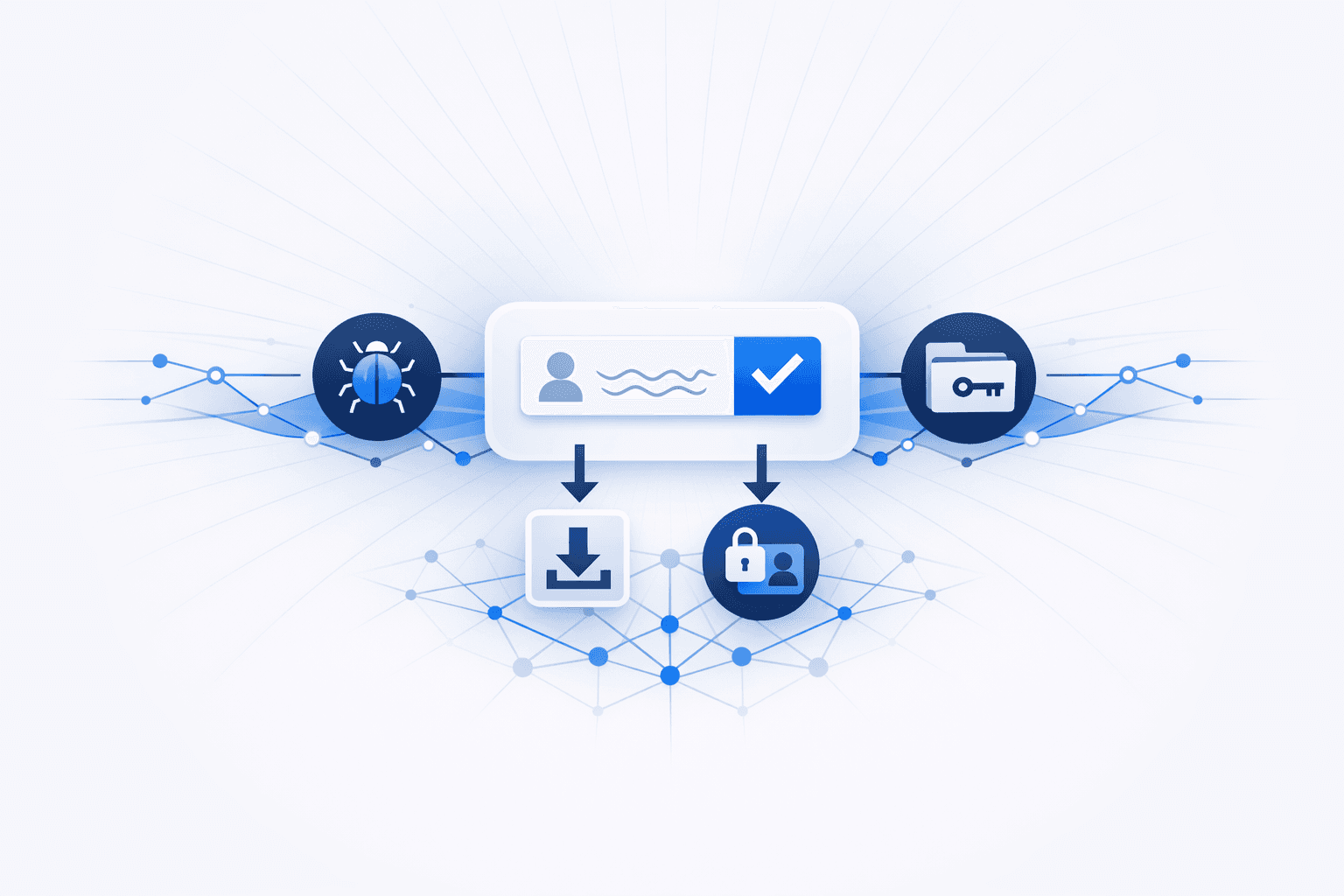
Fake CAPTCHA (ClickFix) Social Engineering Used for Fileless Malware Delivery
Social Engineering & Fraud · 5 sources · Updated 5mo ago · First seen Jan 27, 2026
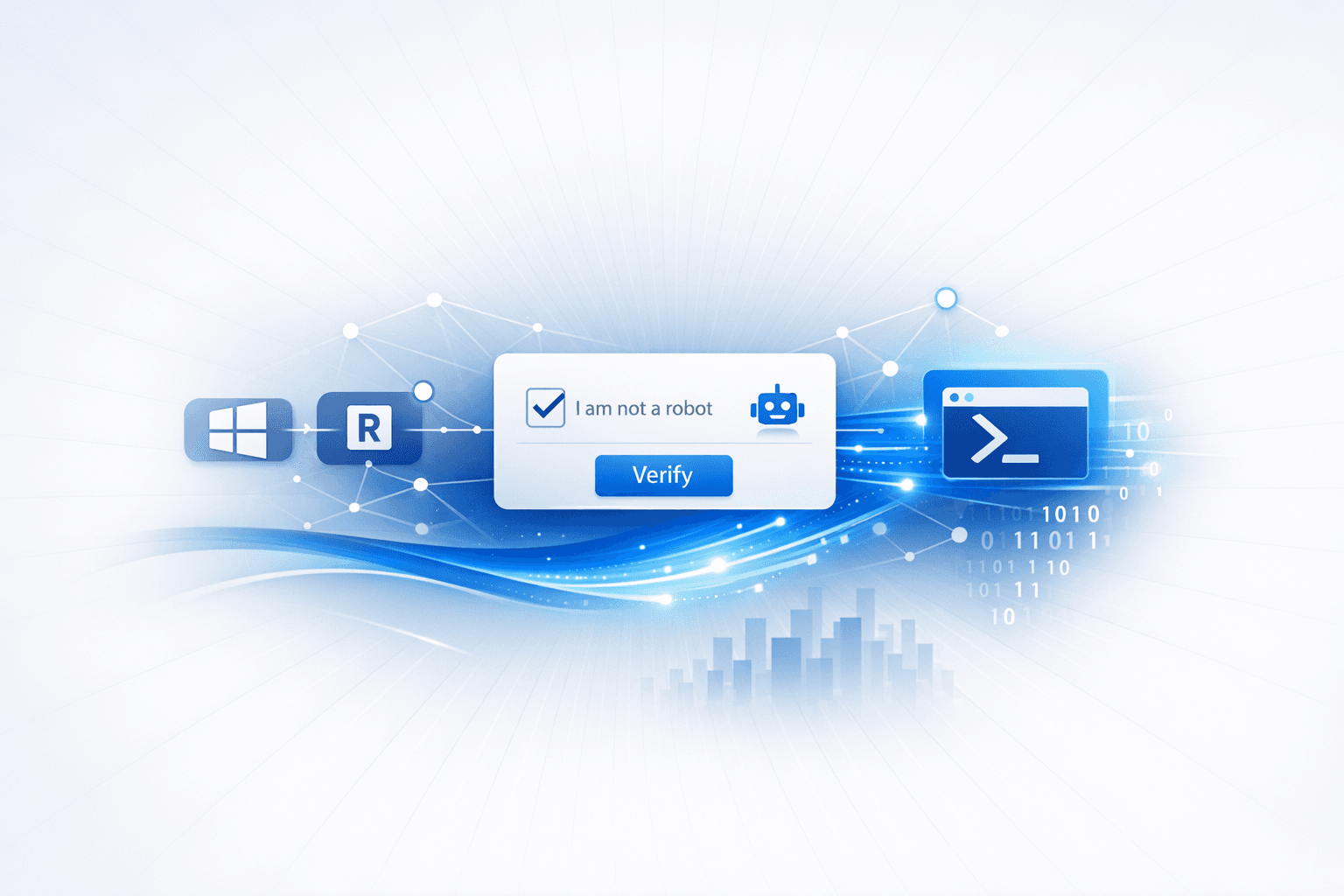
Security researchers reported an active malware distribution technique that abuses bogus CAPTCHA pages to trick users into executing attacker-supplied commands on Windows. In the ClearFake campaign analyzed by Expel, victims land on a compromised site and are instructed to press Win + R, then paste and run a clipboard-seeded command—an approach commonly referred to as ClickFix—which results in malicious PowerShell execution. The campaign emphasizes living-off-the-land tradecraft and evasion, including proxy execution by abusing the trusted Windows script C:\Windows\System32\SyncAppvPublishingServer.vbs to launch PowerShell in hidden mode and reduce the chance of AV detection.
Separate measurement and telemetry on the same broader tactic found large-scale infrastructure supporting fake CAPTCHA lures: a Censys analysis identified 9,494 breached websites hosting counterfeit verification pages, with ~70% appearing nearly identical. The most common infection mechanisms involved clipboard manipulation leading to VBScript and PowerShell execution (with significant counts of each observed), alongside other delivery paths such as MSIEXEC-based installation of malicious Windows Installer packages. Researchers also observed use of the Matrix push command-and-control framework to support fileless deployment, noting that these intrusions can leave no traditional executable artifacts and may evade signature-based detection.
Why it matters
Impact assessment
Fake CAPTCHA and ClickFix activity is affecting Windows users at scale, with the highest risk to enterprise-managed Windows Enterprise, Education, and Server environments where App-V components are present. Impact includes credential theft, malware installation, remote access, and stealthy fileless compromise, with campaigns delivering Lumma Stealer, Amatera Stealer, AsyncRAT, Xworm, and the r77 rootkit.
The exposure is widespread rather than narrowly targeted: researchers identified 9,494 breached websites hosting bogus CAPTCHA lures, and ClearFake alone was estimated to have infected roughly 147,000-150,000 systems since August 2025. Exploitation in the wild is confirmed across multiple campaigns, sectors, and regions, including e-commerce, travel, automotive, enterprise, education, and reported activity in the US, Europe, Latin America, and Portugal.
Supporting facts
- Affected platforms: Windows systems, especially Windows Enterprise, Education, and Windows Server with App-V support.
- Lower exposure on Windows Home/Pro for the specific SyncAppvPublishingServer.vbs chain because App-V is absent or not enabled.
- Delivery relies on compromised websites, phishing, malvertising, SEO poisoning, and traffic distribution systems.
- ClearFake has impacted e-commerce, travel, and automotive sectors.
- Lampion-related ClickFix activity reportedly targeted government, finance, and transportation.
- ClickFix has also been used against social media content creators for token theft and account takeover.
- Known malware families delivered: Lumma Stealer, Amatera Stealer, Emmenhtal Loader, AsyncRAT, Xworm, r77 rootkit, and AMOS on macOS variants.
- Operational risk is elevated because many chains are fileless or in-memory and can evade signature-based controls.
- Reputational and financial impact is likely where credential theft, token theft, or enterprise endpoint compromise leads to follow-on fraud or lateral movement.