Mallory
← Back to News
credential-access-methodphishing-campaign-intelligenceloader-delivery-mechanismdefense-evasion-method

Fake CAPTCHA/ClickFix Social Engineering Used to Deliver Malware and Steal Sessions

Attack Tradecraft · 3 sources · Updated 5mo ago · First seen Jan 23, 2026
Fake CAPTCHA/ClickFix Social Engineering Used to Deliver Malware and Steal Sessions

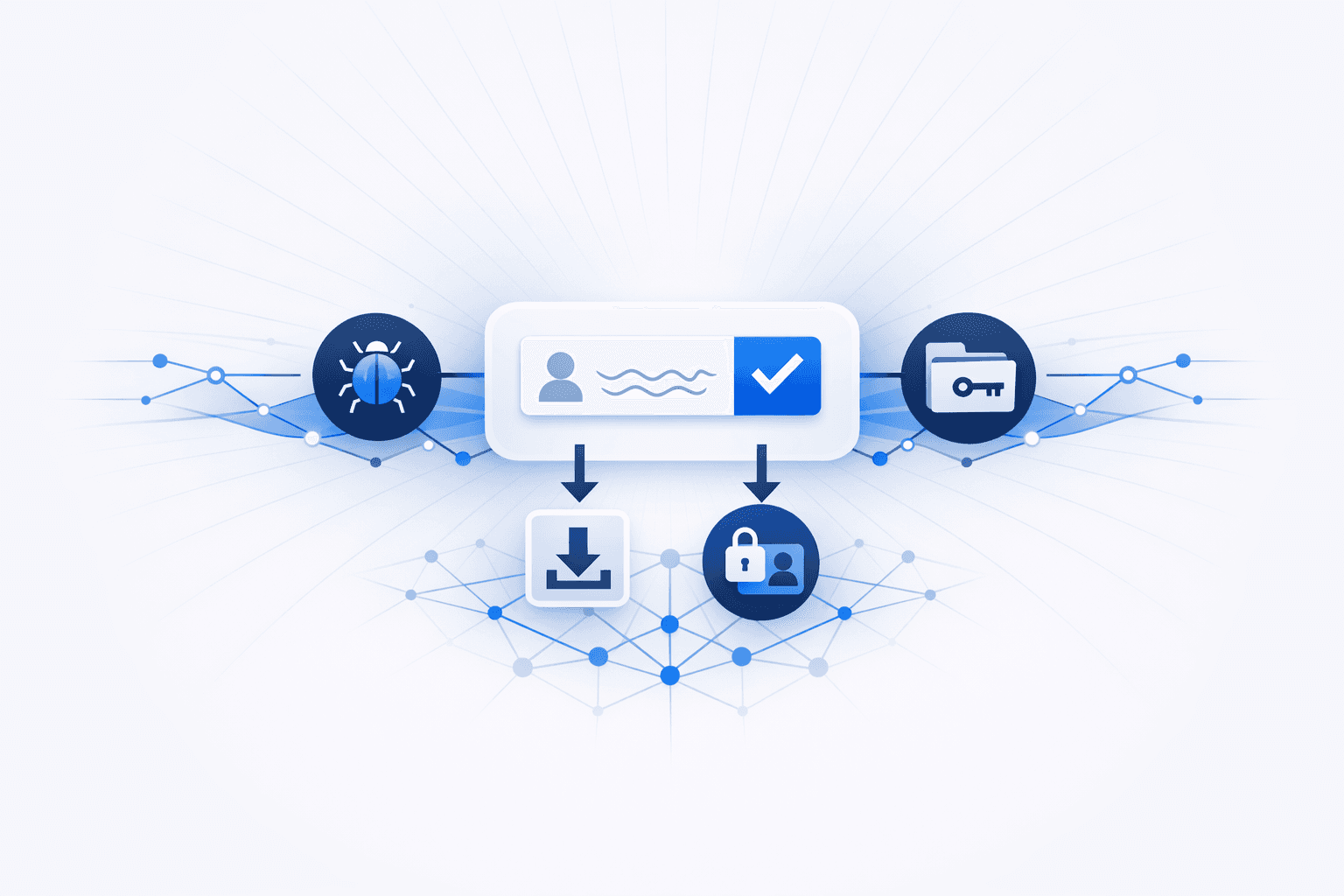
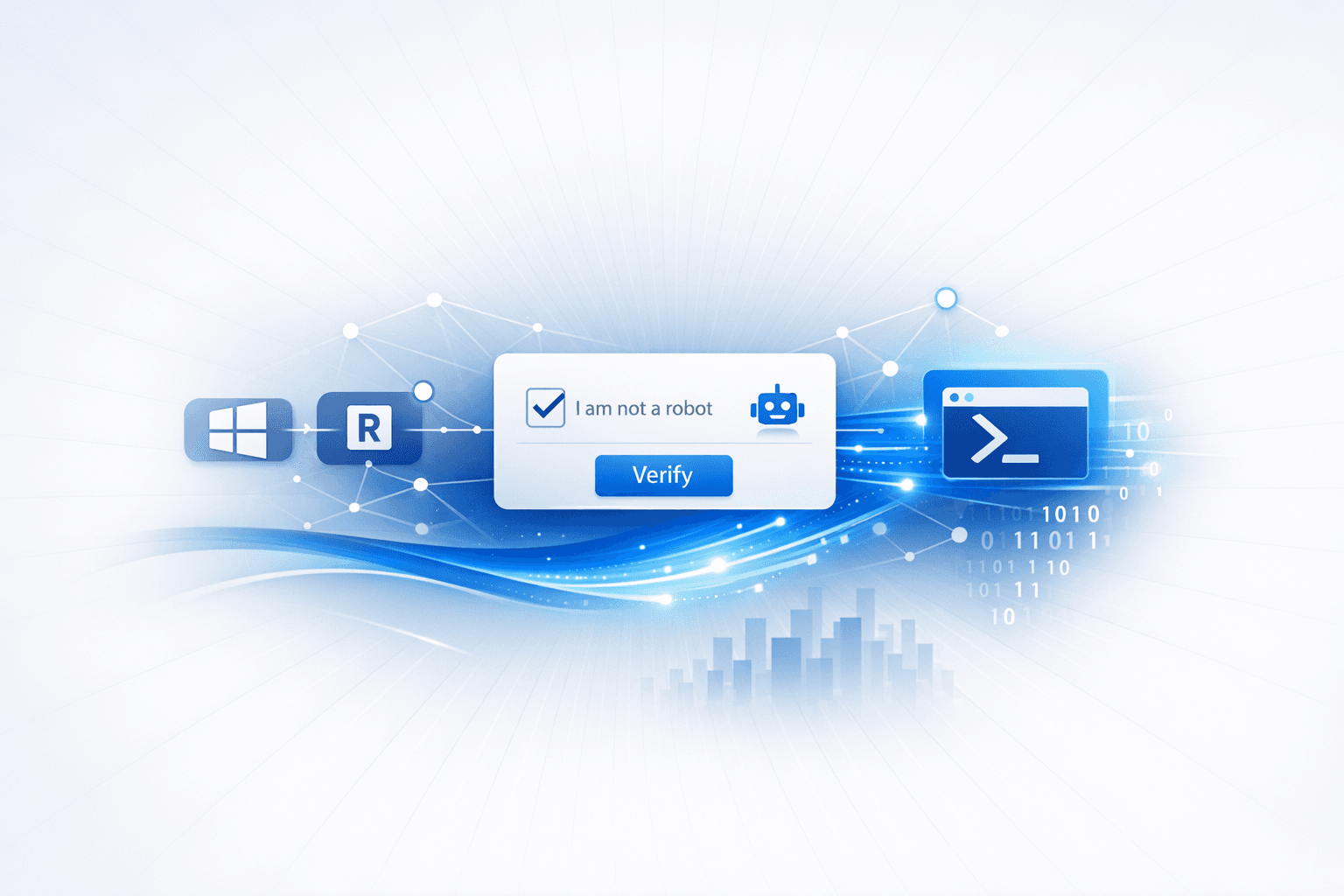
Threat actors are increasingly using fake CAPTCHA / verification pages as a scalable social-engineering lure to deliver malware and steal credentials by abusing users’ trust in routine web security checks. Research highlighted a large, fragmented ecosystem of lookalike fake CAPTCHA pages hosted across ~9,494 compromised sites and malicious properties, where roughly 70% of observed pages share near-identical visuals while delivering dozens of distinct payload variants via different execution models, including clipboard-driven instructions that lead victims to run PowerShell or VBScript downloaders.

Separately, a ClickFix campaign targeting Facebook users—especially content creators and businesses seeking verification—uses fake “verification” portals to trick victims into manually extracting and submitting browser session tokens (notably c_user and xs) via developer tools, enabling account takeover without exploiting software vulnerabilities. In parallel, the ClearFake campaign (a malicious JavaScript framework injected into hacked websites) has adopted ClickFix-style fake CAPTCHA lures and added more evasive “living off the land” behavior, including proxy execution to run PowerShell through trusted Windows features and shifting distribution to a popular CDN, reducing the effectiveness of defenses that rely primarily on blocking known-bad domains/IPs.

Why it matters

Impact assessment

Fake CAPTCHA and ClickFix activity affects any organization with users browsing the web, with elevated risk to Windows endpoints, social-media teams, marketing staff, content creators, and businesses that manage Facebook pages. The impact ranges from malware execution on endpoints to direct account takeover through stolen browser session tokens, with downstream risks including credential theft, payment fraud, impersonation, and business disruption.

This exposure is broad rather than narrowly targeted. Researchers observed about 9,494 compromised or malicious sites hosting fake CAPTCHA lures, at least 115 phishing pages tied to the Facebook-focused ClickFix operation, and ClearFake telemetry indicating roughly 149,199 submitted UUIDs that likely represent infections or victim interactions. Exploitation is active in the wild across multiple campaigns.

Supporting facts

  • Affected user populations:
    • General web users exposed to compromised websites
    • Windows users prompted to run clipboard-staged commands
    • Facebook content creators, monetized page operators, and businesses seeking verification badges
    • Organizations with social-media administrators using persistent browser sessions
  • Business impact:
    • Endpoint compromise through PowerShell, VBScript, MSI, and fileless notification-based delivery
    • Facebook account takeover via stolen c_user and xs session cookies
    • Potential theft of payment information, password changes, impersonation, and reputational damage
    • Operational disruption from malware remediation and social-account recovery
  • Scope indicators:
    • Approximately 9,494 compromised websites and malicious properties hosting fake CAPTCHA pages
    • Roughly 70% of observed fake CAPTCHA pages share near-identical visuals, indicating scalable reuse
    • At least 32 distinct payload variants identified within the largest visual cluster
    • At least 115 phishing pages and eight collection endpoints identified in the Facebook ClickFix campaign
    • ClearFake tracker contract reportedly contains 149,199 UUID submissions since 2025-08-21
  • Known in-the-wild activity:
    • ClickFix campaign active since January 2025
    • ClearFake operating across hundreds of compromised websites
    • Matrix Push C2 used for deferred, fileless delivery via browser notifications
Who uses this technique?Get the actors, campaigns, and ATT&CK mapping behind it.
Get the tradecraft
Event timeline

How this story unfolded

Events from the most recent confirmed update back to the earliest known activity.

6 events · Jan 1, 2025 – Jan 23, 2026
  1. Jan 23, 202610mo ago

    Censys identifies large fake CAPTCHA ecosystem across 9,494 sites

    Censys analysts reported a broad fake verification ecosystem spanning about 9,494 compromised websites and malicious properties, with roughly 70% sharing nearly identical fake CAPTCHA pages. They identified at least 32 payload variants, including clipboard-driven PowerShell or VBScript execution, MSI delivery via msiexec, and fileless push-notification abuse through Matrix Push C2.

  2. Jan 22, 202610mo ago

    Cyber Security News reports ClickFix Facebook hijacking campaign

    Cyber Security News reported on the widespread ClickFix campaign stealing Facebook accounts through fake verification pages and manual session-token theft. The coverage highlighted urgency tactics, instructional videos, and the instruction for victims not to log out for 24 hours so stolen cookies remain valid.

  3. Jan 20, 202610mo ago

    Expel documents ClearFake's updated fake-CAPTCHA delivery chain

    Expel published technical details on ClearFake's large-scale campaign, describing compromised websites that inject fake CAPTCHA prompts and use ClickFix-style clipboard lures to make users run malware. The report also noted anti-analysis checks, smart-contract-based payload retrieval, and a UUID tracking mechanism to avoid reinfection and record infections.

  4. Jan 20, 202610mo ago

    ClearFake adopts more evasive LOTL proxy execution techniques

    The ClearFake fake-CAPTCHA malware campaign recently shifted to a more evasive execution chain that abuses SyncAppvPublishingServer.vbs to launch hidden PowerShell through command injection. It also moved payload hosting to the legitimate jsDelivr CDN while continuing to retrieve JavaScript stages from BNB Smart Chain testnet smart contracts.

  5. Jan 1, 20252y ago

    ClickFix campaign expands with resilient token-theft infrastructure

    From early 2025, the Facebook-focused ClickFix operation grew significantly and adopted distributed hosting and collection services such as Netlify, Vercel, Wasmer, GitHub Pages, Surge, Formspark, and submit-form.com. The workflow validated stolen c_user and xs tokens in real time and escalated to collecting recovery codes or passwords when token reuse failed.

  6. Jan 1, 20252y ago

    ClickFix Facebook session hijacking campaign begins

    A social-engineering campaign later dubbed ClickFix began operating in January 2025, targeting Facebook content creators, monetized pages, and businesses. The attackers used fake Facebook verification and account-review pages to trick victims into extracting and submitting their own session cookies.

Linked entities

Related entities

Vulnerabilities, threat actors, malware, products, organizations, breaches, and observables Mallory has linked to this story. Indicator values are masked here and available in full in the app.

Open in app →

Malware

1 linked

Affected products

1 linked
Facebook

Observables

9 linked

Indicator values are masked on this page. View all 9 in Mallory Domains, IPs, hashes, and URLs are exportable to your SIEM.

Do you run this?Get the adversaries, campaigns, and ATT&CK mapping behind this technique, with detections ready to deploy.
See Who Uses This Technique
Mallory platform

See the full picture, correlated to your attack surface.

This page covers what’s public. Mallory adds the parts that aren’t: which of your assets are affected, which threat actors are using it right now, and what to deploy next.

Exposure mappingMap indicators from this story to your assets and identify affected systems in minutes.
Threat actor evidenceEvery observed campaign, victim, and pivot linked to actors named in this story.
Associated malwareMalware, exploits, and IOCs connected to the activity described here.
Detection signaturesYARA, Sigma, and Snort rules deployed to your SIEM as soon as they’re published.
Scheduled alertsGet matching new stories delivered to your team as they break, not the next morning.
AI threadsAsk questions about this story and take action on the answers.