Congressional Funding Package Targets CISA Staffing, Election Security, and Federal Cyber Modernization
Regulatory & Policy · 2 sources · Updated 5mo ago · First seen Jan 21, 2026
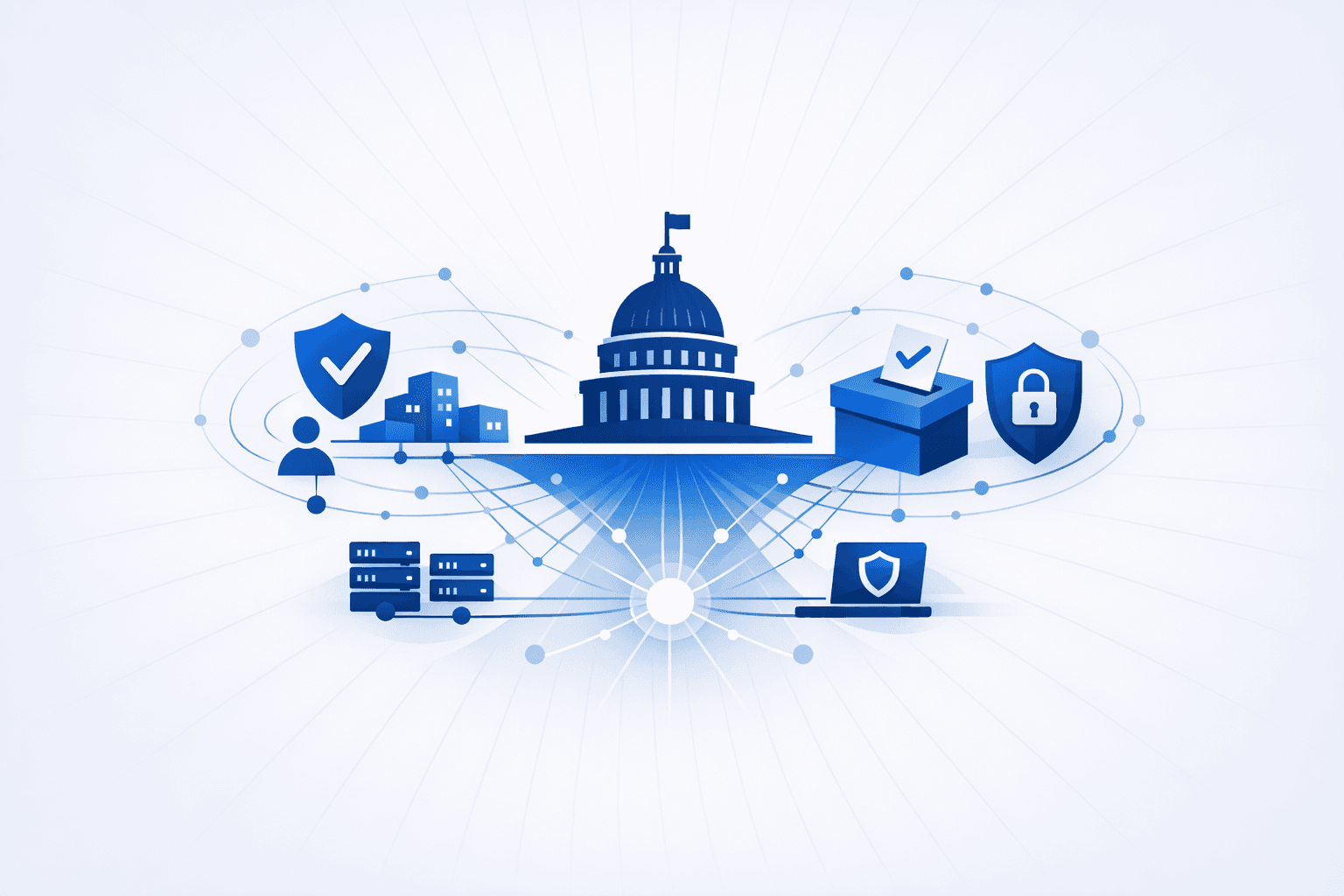
A DHS “minibus” appropriations package would direct the Cybersecurity and Infrastructure Security Agency (CISA) to maintain “sufficient” staffing to execute its statutory missions, including support to federal civilian agencies and state/local/tribal/territorial partners. The accompanying congressional language also calls for maintaining at least 10 regional field offices and having at least one Cyber Security Advisor per state or territory, while continuing to fund election security activities (including regional election security advisers and the Elections Infrastructure ISAC). The bill would provide $2.6B for CISA, down from roughly $3B previously cited in the reporting.
The same funding package would extend authorization for the Technology Modernization Fund (TMF)—which had lapsed—through Sept. 30 (end of FY2026), enabling continued federal IT modernization investments that are often tied to cyber risk reduction. It would also extend several cybersecurity-related statutory authorities, including the Cybersecurity Information Sharing Act of 2015, preserving a legal framework for private-sector sharing of cyber threat intelligence with U.S. government entities under specified liability protections. Separately, CISA leadership turmoil was reported as internal pushback halted an attempted management-directed reassignment of CISA CIO Robert Costello, adding to concerns about decision-making and stability amid ongoing pressure from persistent threats to federal networks and critical infrastructure.
Why it matters
Impact assessment
This story is a policy and funding development, not a newly disclosed cyber incident or vulnerability. The affected population is primarily U.S. federal civilian agencies, CISA, and state, local, tribal, and territorial partners that rely on CISA services for network defense, election security support, threat sharing, and modernization funding.
The operational impact is indirect but significant: reduced CISA staffing, instability in leadership, or lapses in authorities such as the Technology Modernization Fund, the Cybersecurity Information Sharing Act of 2015, the State and Local Cybersecurity Grant Program, and the National Cybersecurity Protection System would weaken defensive capacity across government and critical infrastructure support functions. The scope is broad across U.S. public-sector cyber operations, but the story does not describe active exploitation, data loss, or a specific compromise in the wild.
Supporting facts
- Entity names:
- Cybersecurity and Infrastructure Security Agency (CISA)
- Department of Homeland Security (DHS)
- Technology Modernization Fund (TMF)
- Elections Infrastructure Information Sharing and Analysis Center (EI-ISAC)
- Cybersecurity Information Sharing Act of 2015
- State and Local Cybersecurity Grant Program
- National Cybersecurity Protection System
- FBI
- NSA
- Robert Costello, CISA CIO
- Funding and scope facts:
- The DHS funding bill would provide $2.6 billion for CISA through the end of FY2026.
- The package earmarks $39.6 million for election security efforts.
- The bill directs CISA to maintain at least 10 regional field offices.
- The bill directs at least one Cyber Security Advisor per state or territory.
- Around one-third of CISA’s workforce has reportedly been shed since early last year.
- Affected missions and user populations:
- Federal Civilian Executive Branch agencies
- State, local, tribal, and territorial partners
- Sector Risk Management Agencies
- International partners and other stakeholders
- Election offices and operators of election management software and vote tabulation systems
- Incident/exploitation status:
- No breach, malware campaign, or exploitation in the wild is described.
- No victim counts, outages, or confirmed operational disruptions from a cyberattack are reported.