US Lawmakers Seek Short-Term Extension of Key CISA Cybersecurity Authorities Amid Agency Leadership Turmoil
Regulatory & Policy · 4 sources · Updated 5mo ago · First seen Jan 20, 2026
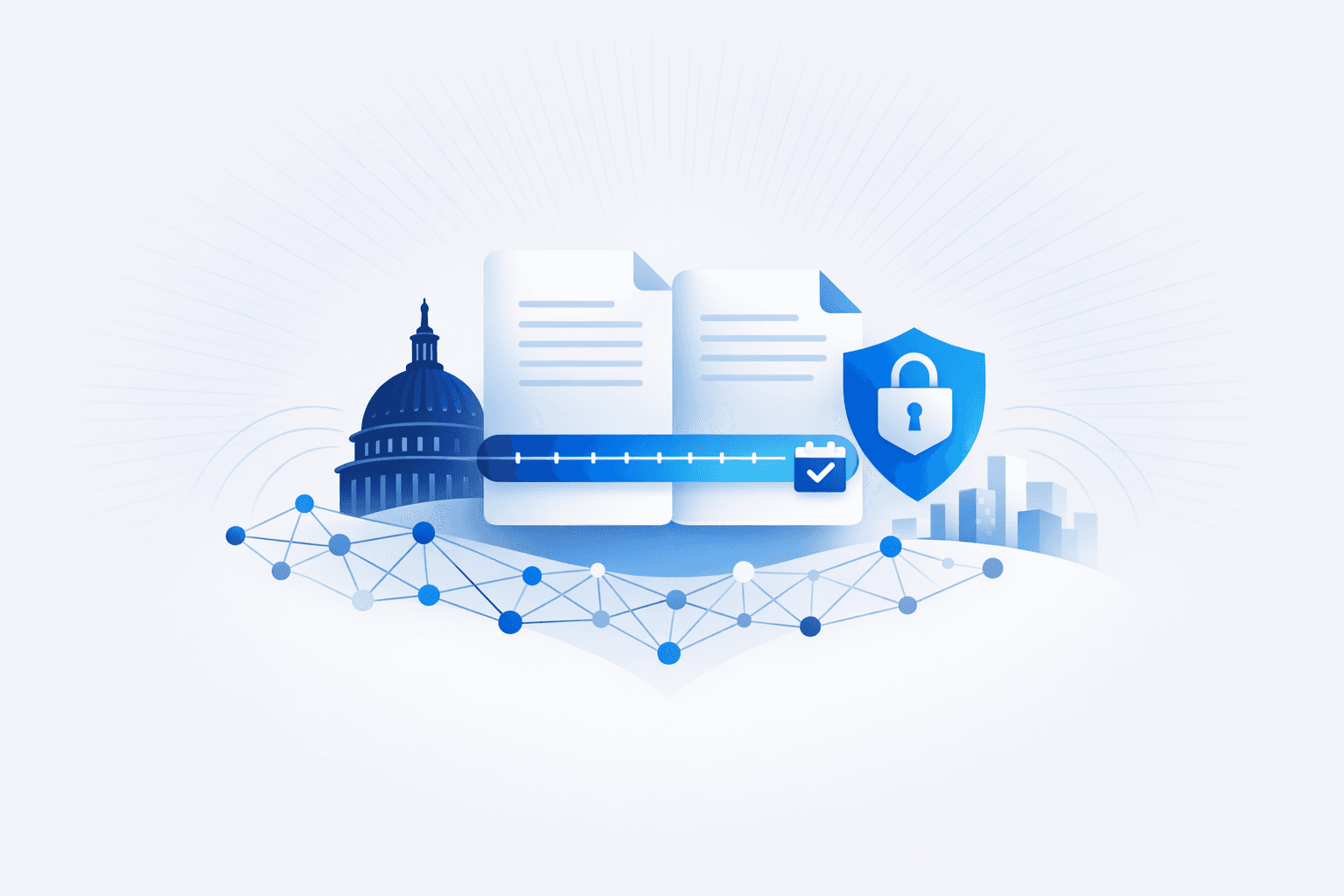
Congressional leaders introduced a compromise federal funding package that would temporarily extend two major U.S. cybersecurity authorities—the 2015 Cybersecurity and Infrastructure Security Act (which provides liability protections intended to encourage private-sector cyber threat information sharing with the federal government) and the State and Local Cybersecurity Grant Program—through September 30. The proposal follows prior stopgap extensions after the statutes lapsed, and comes as lawmakers debate longer-term reauthorization options, including competing House and Senate proposals and a draft approach from Sen. Rand Paul that would remove the original law’s liability protections.
Separately, reporting highlighted internal leadership instability at CISA: acting director Madhu Gottumukkala reportedly attempted to remove or reassign CISA CIO Robert Costello via a management-directed reassignment, but was blocked after objections from other political appointees within DHS. The episode adds to concerns about decision-making and turnover at the agency at a time when CISA is responsible for coordinating federal cyber defense, incident response support, and collaboration with state, local, and private-sector partners—functions that could be affected by sustained leadership disruption.
Why it matters
Impact assessment
This story is primarily a governance and policy development with indirect cybersecurity impact rather than a new technical threat. The most affected parties are U.S. federal civilian agencies, state/local/tribal/territorial governments, election administrators, and private-sector organizations that rely on CISA for threat sharing, incident response coordination, grant funding, and election security support.
If the authorities or funding lapse, the impact would be operational: reduced continuity for cyber threat information sharing, state and local cybersecurity modernization, election security assistance, and CISA staffing stability. The scope is broad across U.S. public-sector and critical infrastructure partners, but there are no reported incidents of exploitation in the wild, no breach activity, and no evidence of a direct adversary campaign tied to this story.
Supporting details
- Entities affected:
- Cybersecurity and Infrastructure Security Agency (CISA)
- U.S. Department of Homeland Security (DHS)
- Federal Civilian Executive Branch agencies
- SLTT partners: state, local, tribal, and territorial governments
- Sector Risk Management Agencies
- International partners and other stakeholders
- Elections Infrastructure Information Sharing and Analysis Center (EI-ISAC)
- Programs and authorities at issue:
- Cybersecurity and Information Sharing Act of 2015 / CISA 2015
- State and Local Cybersecurity Grant Program
- Technology Modernization Fund
- Election security programs
- Funding and continuity facts:
- Proposed CISA funding: $2.6 billion
- Proposed election security funding: $39.6 million
- Temporary extension target: through Sept. 30
- Leadership instability concerns:
- Acting CISA head Madhu Gottumukkala reportedly attempted to reassign CIO Robert Costello
- DHS political appointees reportedly blocked the move after objections
- Reporting states leadership disruption could affect enterprise IT planning, cloud migration, network security programs, and day-to-day cyber defense support
- Exploitation status:
- No CVE, malware, intrusion set, or active exploitation described
- No confirmed cyber incidents attributed to this development