AI Compute and Coding Tools Raise Security and Supply-Chain Concerns
Emerging Technology Risk · 3 sources · Updated 5mo ago · First seen Jan 16, 2026
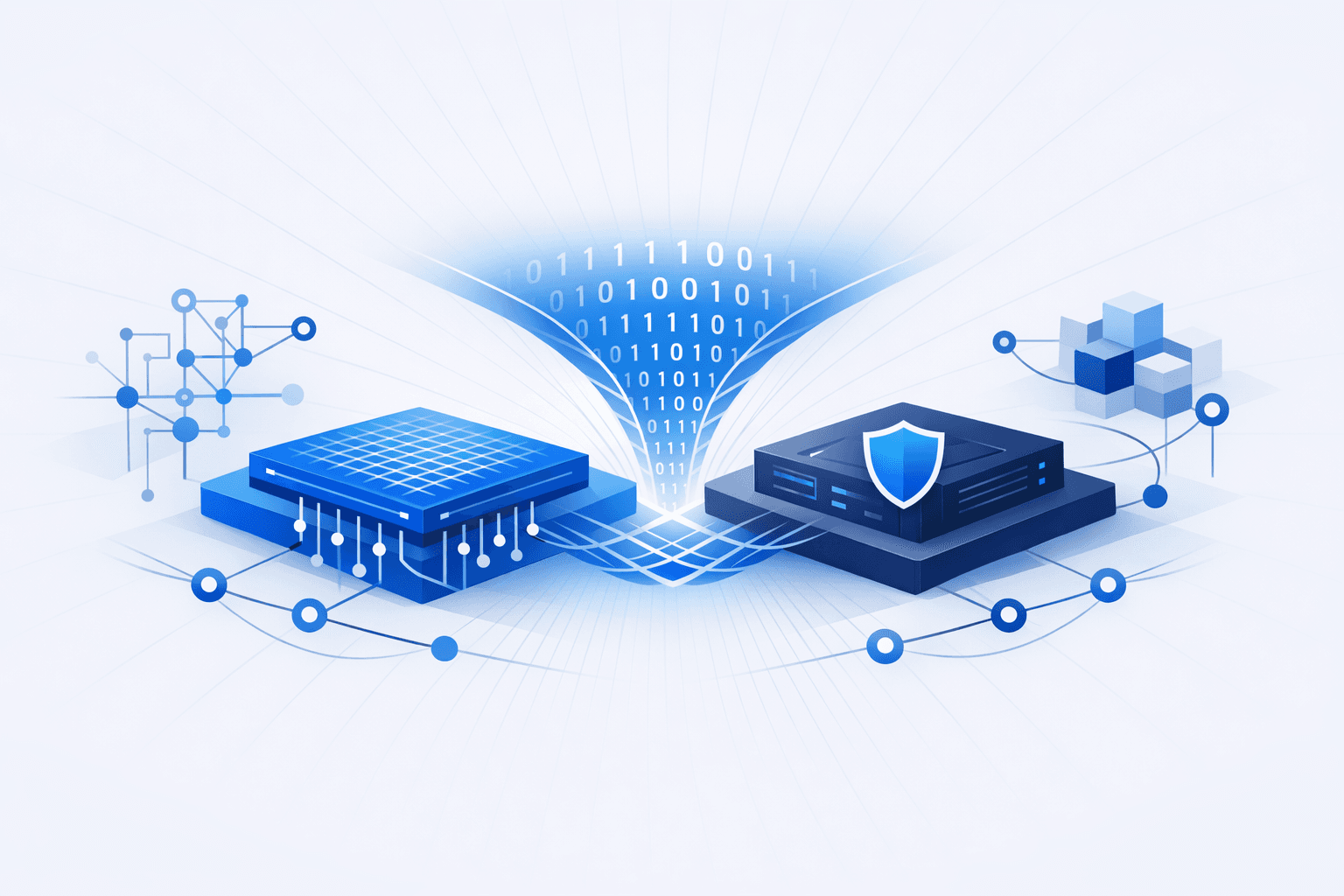
OpenAI and AI chipmaker Cerebras announced a three-year strategic alliance under which OpenAI plans to deploy up to 750MW of Cerebras Wafer-Scale Systems to build a large high-speed AI inference platform; reporting cites the deal value as over $10B and claims up to 15x faster large language model response times versus GPU-based alternatives. Separately, China-based Zhipu AI reported it trained an image-generation model using only Huawei Ascend Atlas 800T A2 hardware and the MindSpore framework, positioning the result as evidence that advanced model training can proceed without access to Western GPUs amid US restrictions that have limited Chinese firms’ access to NVIDIA H100/A100-class accelerators.
In parallel, security testing of popular “vibe coding”/AI coding assistants found they can repeatedly generate unsafe code from common prompts, including issues rated critical in severity. A security startup (Tenzai) evaluated tools including Claude Code, OpenAI Codex, Cursor, Replit, and Devin by using predefined prompts to build test applications, concluding that while some tools avoid more rule-based defects, they struggle in context-dependent security boundaries—raising risk that AI-assisted development could introduce exploitable vulnerabilities into production code if not paired with strong review and secure-by-design controls.
Why it matters
Impact assessment
This story primarily affects organizations adopting AI-assisted software development and enterprises making strategic decisions around AI compute supply chains. The immediate security impact is concentrated on software producers and internal development teams using coding assistants, because the reported testing found repeated generation of insecure code, including vulnerabilities assessed as critical.
The likely business impact is introduction of exploitable flaws into production applications, leading to data exposure, service compromise, remediation cost, and reputational damage if AI-generated code is merged without strong review. The compute-supply-chain portion is strategically important but not a direct cyber incident; it signals diversification away from NVIDIA and growing use of alternative hardware and software stacks such as Cerebras Wafer-Scale Systems, Huawei Ascend Atlas 800T A2, and MindSpore.
Supporting details
- Affected user populations:
- Software engineering teams using AI coding assistants
- Organizations deploying code generated by Claude Code, OpenAI Codex, Cursor, Replit, or Devin
- Enterprises evaluating AI infrastructure dependencies and geopolitical supply-chain exposure
- Severity:
- Potentially high for application security due to reported generation of critical-severity vulnerabilities
- Strategic and operational for AI platform operators due to hardware concentration and supply-chain shifts
- Scope:
- Broad exposure across organizations experimenting with or operationalizing AI-assisted development
- No evidence in the story of a single vendor-specific compromise or mass exploitation event
- Exploitation in the wild:
- No confirmed in-the-wild exploitation or breach incidents are reported
- Named entities:
- OpenAI
- Cerebras
- Zhipu AI
- Huawei
- NVIDIA
- Broadcom
- AMD
- Tenjii