Weaponized Document Lures Used to Deliver Malware and Remote Access
Social Engineering & Fraud · 2 sources · Updated 5mo ago · First seen Jan 14, 2026
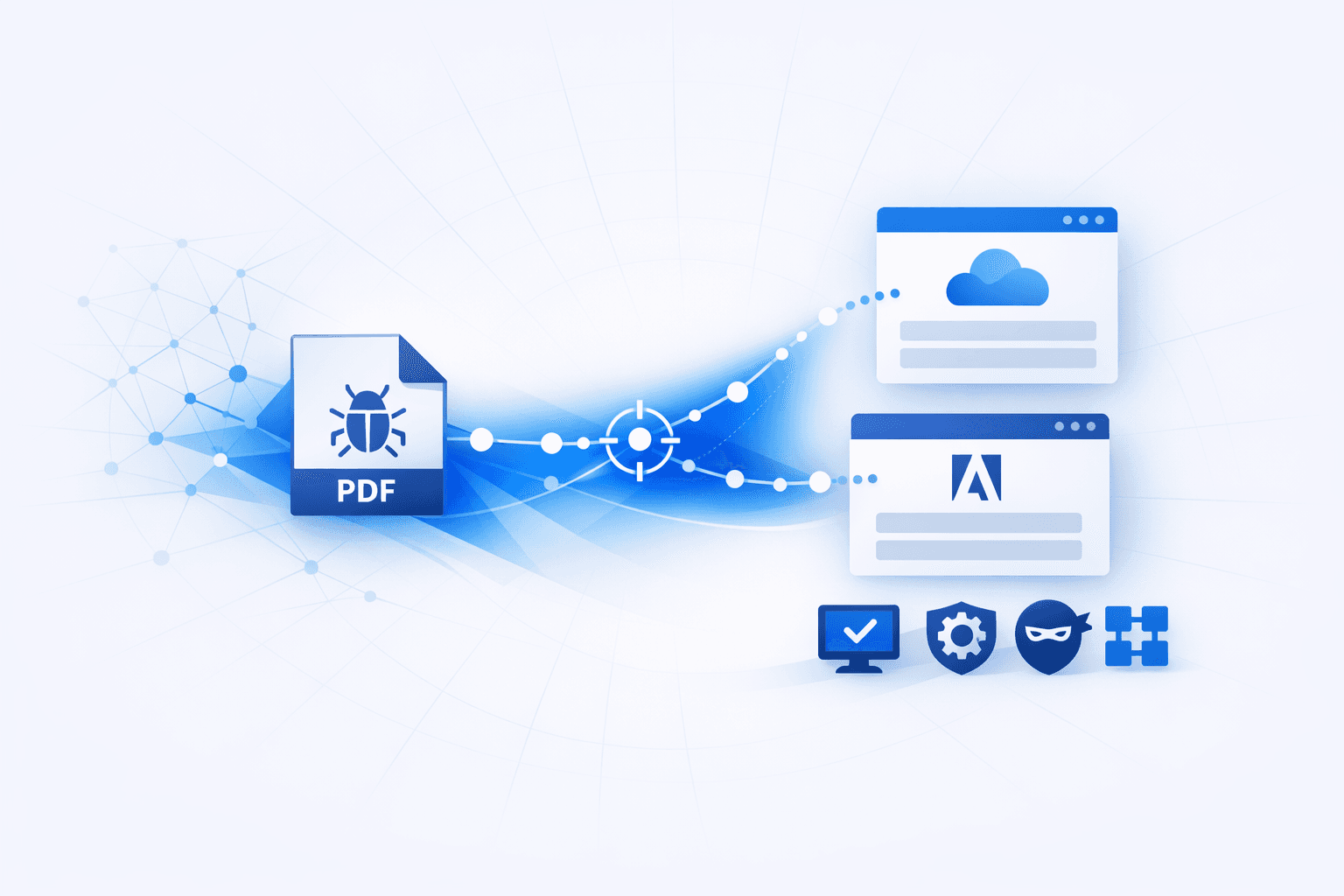
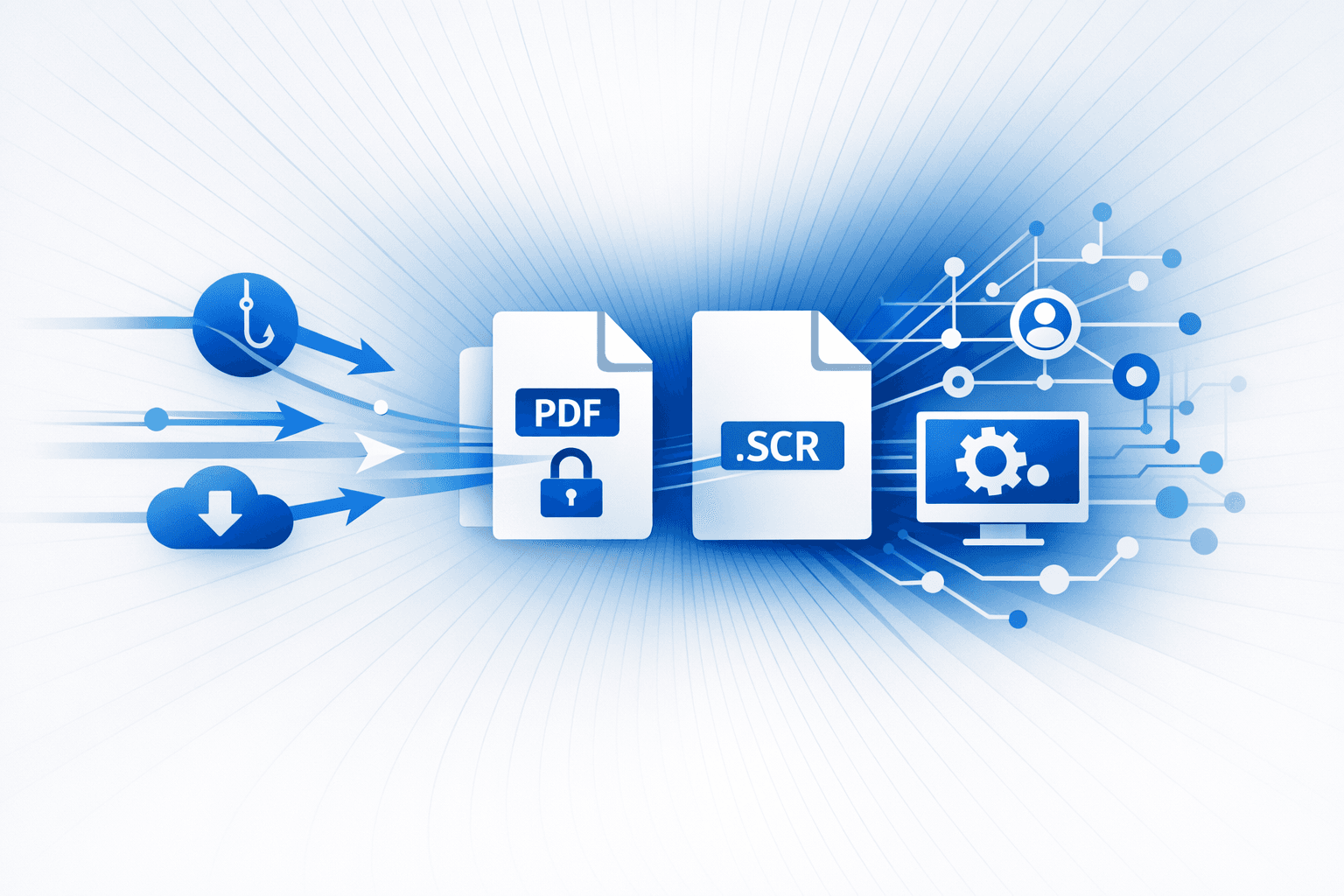
Multiple reports describe threat actors using document-themed lures to deliver malicious payloads while evading user scrutiny and defensive controls. ASEC-reported activity shows weaponized PDF files distributed via phishing (e.g., “Invoice,” “Payment”) that display a decoy image or a “Failed to load PDF document” error to push victims to click through to fake Google Drive/Adobe pages, ultimately installing legitimate RMM tools (e.g., Syncro, SuperOps, NinjaOne, ConnectWise ScreenConnect) signed with a valid certificate to blend in as administrative software rather than obvious malware.
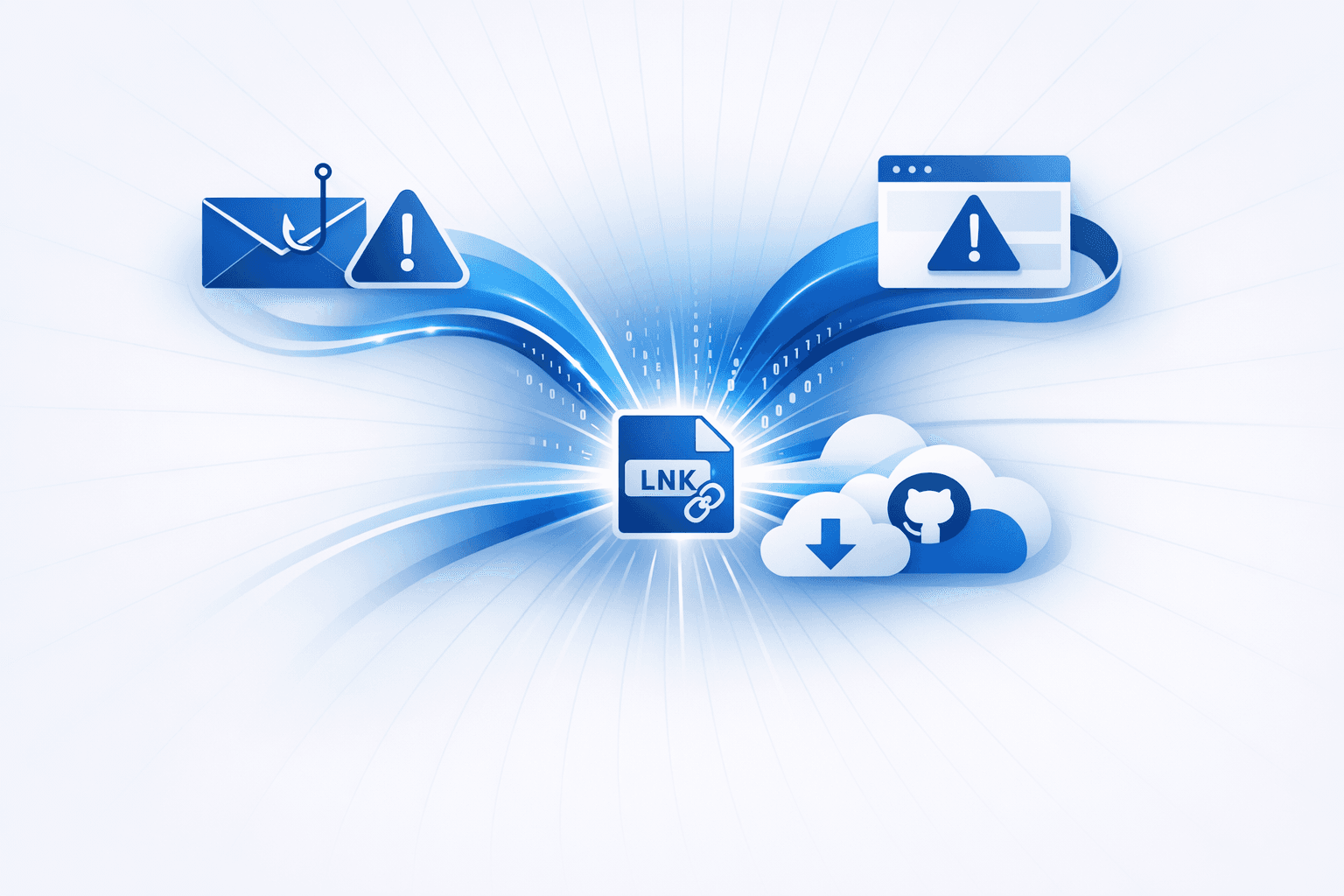
Separately, research on APT36 / Transparent Tribe details a targeted espionage operation against Indian government, academic, and strategic entities using spear-phishing ZIP attachments containing oversized LNK files masquerading as PDFs; execution chains leverage mshta.exe to retrieve remote HTA content, decrypt and reconstruct payloads in memory, and deploy a RAT (tracked as ReadWriteRAT) with capabilities including encrypted C2, remote command execution, screenshot capture, clipboard access, and data theft. Other items in the set cover unrelated threats—WordPress SEO cloaking that selectively serves malicious content to verified Googlebot IP ranges, a vendor blog overview of Medusa ransomware activity, and reporting on CrazyHunter ransomware impacting Taiwan healthcare—indicating the commonality here is document/SEO deception techniques, not a single unified incident.
Why it matters
Impact assessment
Document-themed social engineering is enabling both broad unauthorized remote access and targeted espionage. The first activity affects businesses and individual users that may trust common IT administration tools, while the second specifically affects Indian government, academic, and strategic organizations targeted by APT36/Transparent Tribe.
Operational impact is high because the abuse of legitimate RMM software can bypass allowlists and blend into normal administration traffic, while ReadWriteRAT supports sustained espionage, data theft, and remote control. Scope is mixed: the RMM lure campaign appears broadly scalable via phishing and has been active since at least October 2025, while the Transparent Tribe activity is targeted and aligned to intelligence collection; both reports describe active malicious use in the wild.
Affected populations
- Businesses and individual users receiving phishing emails with invoice, payment, or order-themed PDF lures
- Organizations that permit or routinely use RMM products such as Syncro, SuperOps, NinjaOne, and ConnectWise ScreenConnect
- Indian government, academic, and strategic entities targeted by APT36 / Transparent Tribe
Severity and business risk
- Unauthorized remote access through legitimate RMM tools can enable hands-on-keyboard activity, credential theft, lateral movement, and persistence under the guise of normal admin software
- Espionage malware capabilities include remote command execution, screenshot capture, clipboard access, file theft, and encrypted exfiltration
- Reputational and financial risk is elevated because compromise may evade standard malware controls and remain undetected longer than commodity malware
Scope and exploitation status
- RMM lure activity is likely widespread and phishing-driven rather than narrowly targeted
- Transparent Tribe activity is targeted espionage against specific sectors in India
- Both stories describe observed malicious campaigns, not theoretical risk