Emerging Security Threats and Defenses for Enterprise AI Systems
Emerging Technology Risk · 4 sources · Updated 5mo ago · First seen Jan 8, 2026
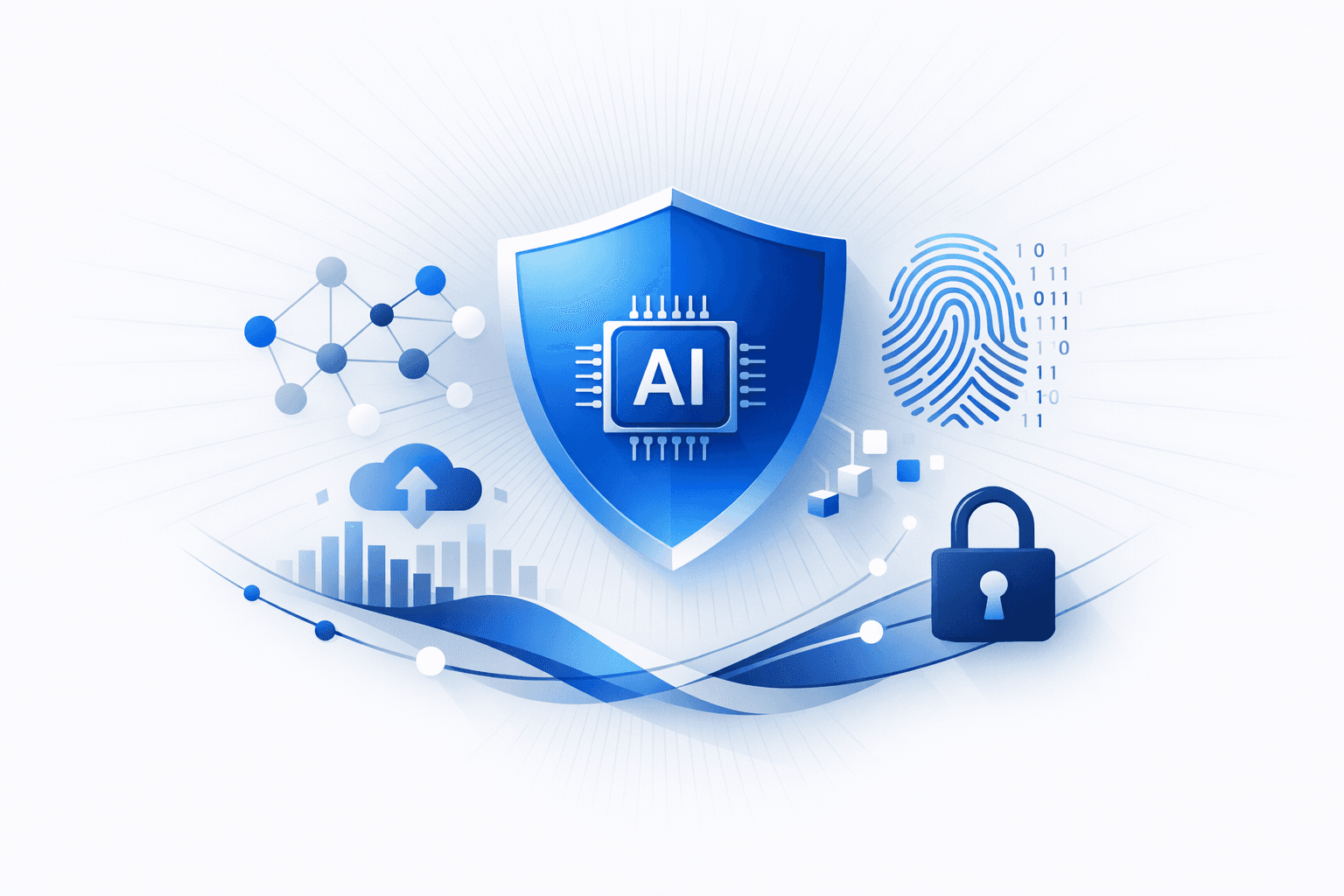
Enterprise adoption of AI systems is accelerating, but this rapid integration has exposed organizations to a new spectrum of cyber threats. Security experts warn that attacks such as data poisoning, prompt injection, adversarial inputs, and model theft are moving from theoretical risks to real-world incidents, with many organizations unprepared to detect or mitigate these threats. Microsoft and other industry leaders are developing frameworks and governance models to address vulnerabilities in agentic AI, including autonomous agents that can act without human oversight, making them susceptible to manipulation and misuse. Researchers are also proposing novel defensive techniques, such as automated data poisoning, to protect proprietary AI data from theft, ensuring that stolen knowledge graphs become unusable to attackers while remaining accessible to authorized users.
The evolving threat landscape has prompted a shift in boardroom priorities, with directors demanding that CIOs demonstrate not just AI adoption but robust governance and security controls over these systems. Security frameworks like the OWASP Top 10 for Agentic AI, multi-layered testing approaches, and enterprise governance models are being implemented to manage risks associated with autonomous AI workflows. As organizations continue to leverage AI for competitive advantage, the focus is increasingly on balancing innovation with the imperative to secure AI infrastructure against sophisticated and emerging cyber threats.
Why it matters
Impact assessment
Enterprise organizations deploying AI systems, especially those using LLMs, agentic AI, retrieval pipelines, and proprietary knowledge graphs, are affected. The impact is potentially severe because compromise can lead to sensitive data exposure, unauthorized actions by autonomous agents, degraded model integrity, intellectual property theft, regulatory scrutiny, and reputational damage.
This exposure is broad rather than tied to a single vendor flaw: the story describes an expanding class of AI-specific attack surfaces across application, model, data, and supply-chain layers. Real-world activity is cited for prompt injection, model theft, and tool poisoning, indicating these risks are no longer theoretical.
Supporting facts
- Affected environments include enterprise AI systems, agentic AI workflows, LLM-backed applications, GraphRAG-style knowledge graph deployments, and AI systems relying on third-party/open-source components.
- High-risk sectors explicitly referenced include healthcare and finance; additional business functions mentioned include credit scoring, pricing optimization, ESG reporting, claims adjudication, inventory forecasting, customer segmentation, and fraud detection.
- Business consequences described include:
- sensitive data exfiltration
- unauthorized actions by AI agents
- persistent model errors from poisoning
- theft of proprietary knowledge graphs and AI capabilities
- operational disruption from unreliable outputs or manipulated decisions
- regulatory, investor, and board-level consequences from weak AI governance
- Known in-the-wild or real-world indicators from the references:
- attacks against AI systems and infrastructure are increasing in real-world instances
- researchers demonstrated prompt injection attacks on ChatGPT and other AI agents
- Invariant Labs disclosed a critical MCP vulnerability enabling tool poisoning in spring 2025
- Scope is ecosystem-wide because the issue is not a single CVE-driven event; it is a maturing threat landscape affecting organizations that adopted AI faster than they secured it.