Escalating Threats to Critical Infrastructure from Geopolitical and Cyber Actors
Sector Threat Intelligence · 2 sources · Updated 5mo ago · First seen Jan 7, 2026
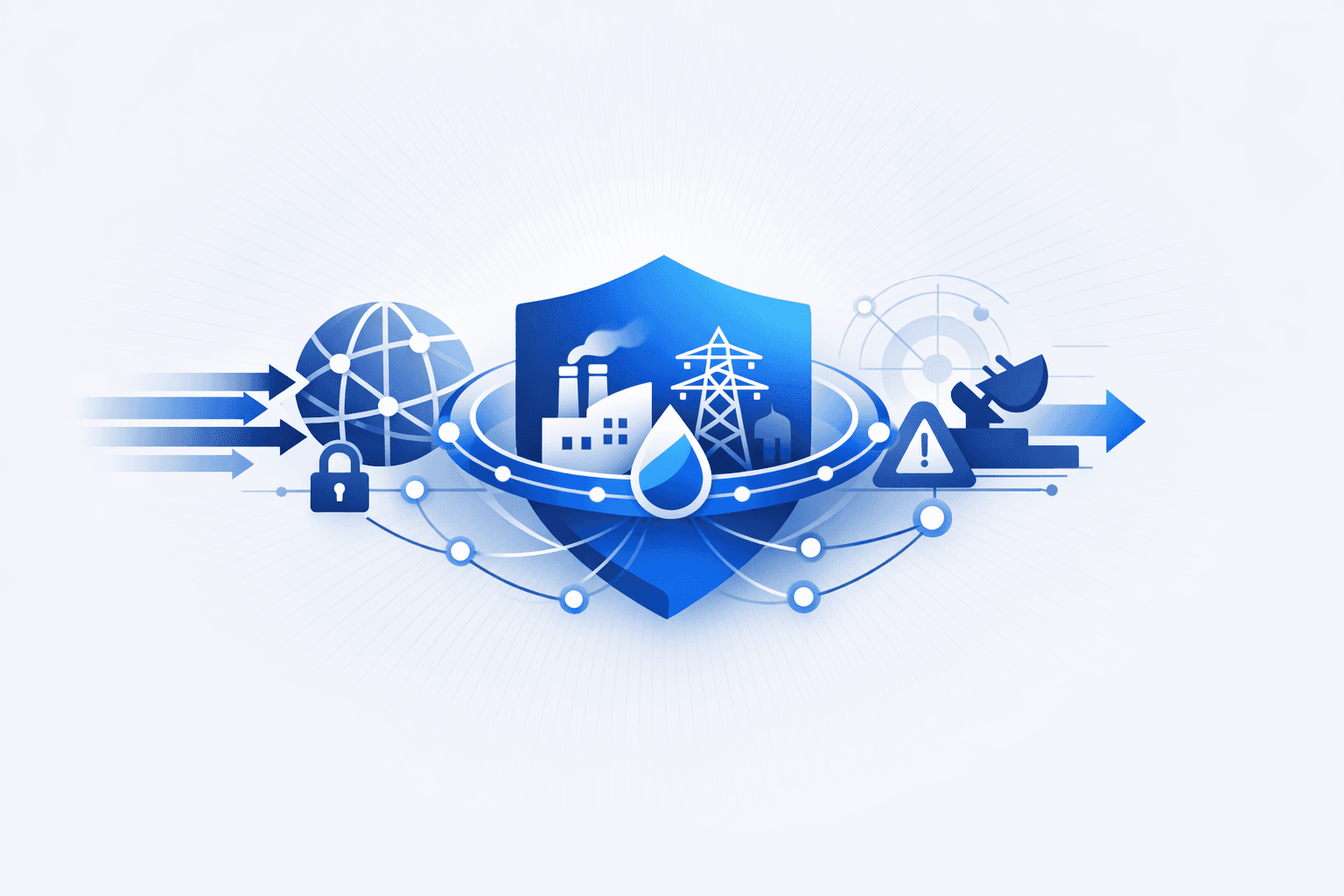
Cybersecurity experts warn that attacks targeting critical infrastructure are expected to intensify, with a particular focus on operational technology (OT) systems. The evolving threat landscape is being shaped by geopolitical tensions, with state actors, criminal groups, and hacktivists increasingly seeking to cause physical disruption and damage, rather than merely stealing sensitive information. Experts highlight that hybrid warfare tactics are becoming more frequent, and the convergence of cyber and kinetic operations is reaching a critical inflection point for infrastructure security.
Industry leaders and analysts predict that future attacks will closely follow geopolitical conflicts, making critical infrastructure a prime target in both cyber and physical domains. The discussions emphasize the need for organizations to reassess their risk management strategies and bolster defenses across multiple domains to address the growing sophistication and intent of adversaries targeting essential services and national assets.
Why it matters
Impact assessment
Attacks on critical infrastructure are assessed to increase in 2026, with operational technology environments identified as a primary target set. The most exposed organizations are operators of essential services and industrial environments, including energy, utilities, transportation, manufacturing, and other sectors that rely on OT for physical process control.
The likely impact is high because the stated adversary objective is shifting from espionage toward operational disruption and physical damage. Successful compromise could produce outages, safety incidents, service interruption, financial loss, regulatory scrutiny, and reputational damage, especially where cyber activity is synchronized with geopolitical events or kinetic operations.
The scope is broad rather than narrowly targeted to one vendor or product, but risk will be concentrated in organizations with internet-exposed OT assets, weak IT/OT segmentation, limited monitoring, or poor remote-access controls. The reporting cites expert consensus that hybrid warfare attacks on critical infrastructure are occurring weekly, indicating active hostile pressure in the wild even though no single campaign, malware family, or victim set is detailed.
Structured facts
- Affected sectors: critical infrastructure, especially OT-dependent environments
- Likely industries: energy, utilities, transportation, rail, manufacturing, government-linked essential services
- Threat actors referenced: state actors, criminal groups, hacktivists
- Stated adversary objective: cause damage and disrupt operations rather than only steal information
- Scope characterization: broad strategic threat tied to geopolitical tensions
- Reported activity level: hybrid warfare attacks on critical infrastructure occurring weekly, according to Steve Rumbold of Kroll
- Referenced entities: Kroll, MI6, FBI, Splunk, CyXcel, Salt River Project, CN Rail, Dragos, Center for Internet Security, DARPA