Security Frameworks and Guardrails for Agentic AI Systems
Emerging Technology Risk · 2 sources · Updated 5mo ago · First seen Dec 29, 2025
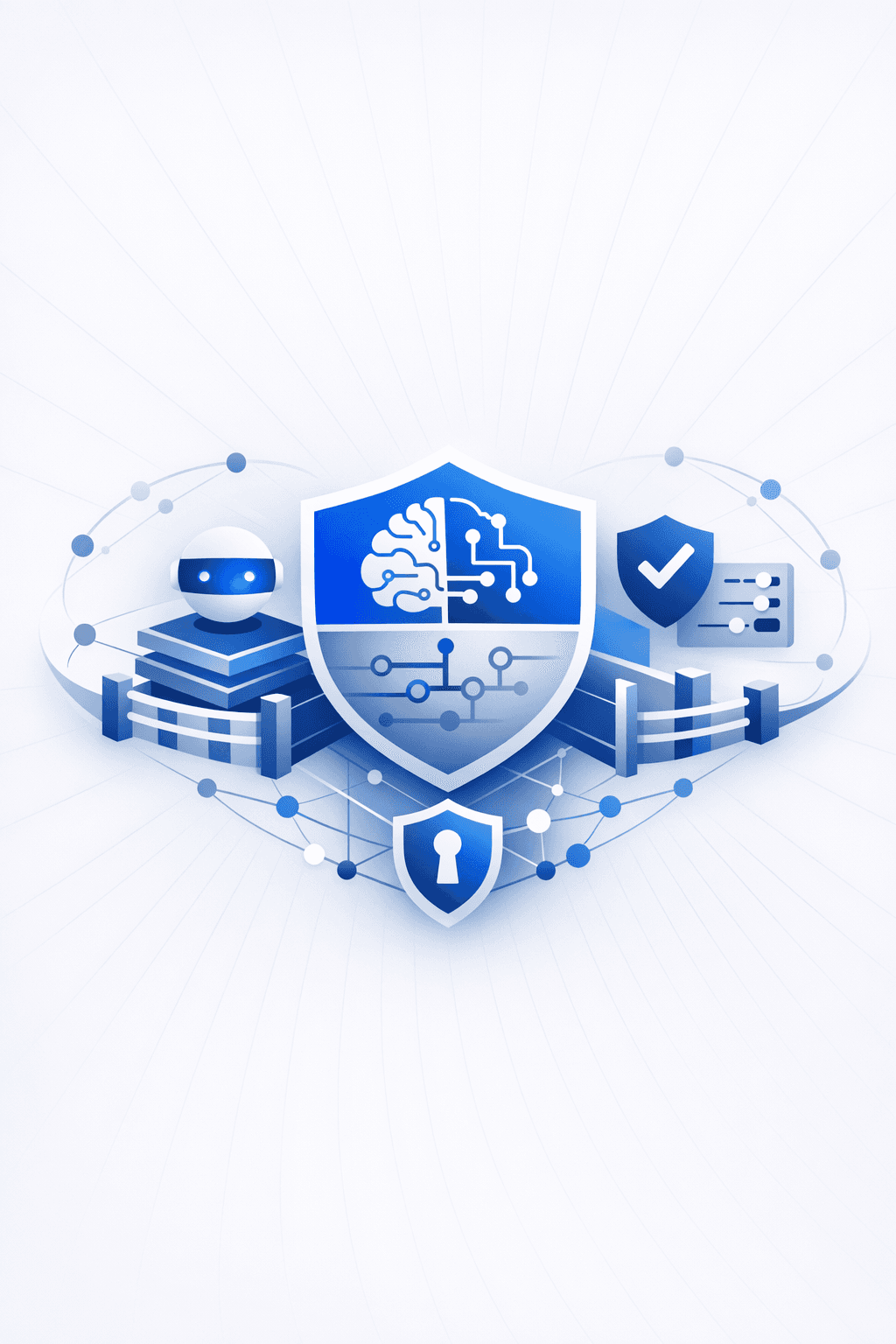
The rapid adoption of agentic AI—autonomous or semi-autonomous agents capable of executing complex tasks—has introduced new security challenges, prompting the development of specialized frameworks and tools. The open-source Superagent framework provides developers and security teams with mechanisms to define, control, and monitor the actions of AI agents, enforcing guardrails such as role-based permissions, API access restrictions, and runtime policy enforcement through a dedicated Safety Agent. This approach enables organizations to integrate agentic AI into existing systems while maintaining traceability, accountability, and compliance with security policies.
In parallel, the release of the OWASP Agentic AI Top 10 marks the first industry-standard security framework focused on the unique risks posed by autonomous AI agents. The framework categorizes threats such as agent goal hijacking, tool misuse, privilege abuse, and supply chain vulnerabilities, reflecting real-world attacks observed as agentic AI systems have moved into production. By establishing a common vocabulary and risk taxonomy, the OWASP framework aims to accelerate the development of effective defenses and industry best practices for securing agentic AI environments.
Why it matters
Impact assessment
Agentic AI deployments are increasingly exposed to security risks that can translate into data leakage, unauthorized actions, code execution, and operational disruption. The affected population includes organizations deploying autonomous or semi-autonomous AI agents, especially those integrating tools, plugins, MCP servers, package ecosystems, cloud APIs, and desktop extensions into production workflows.
The scope is broad rather than narrowly targeted because the story describes systemic weaknesses in emerging agentic AI architectures and cites incidents affecting widely used platforms including Claude Desktop, Amazon Q, and GitHub Copilot-adjacent ecosystems. Exploitation in the wild is explicitly described through prompt injection, malicious packages, slopsquatting, supply-chain compromise, and extension-based RCE cases.
Supporting details
- Affected environments:
- Agentic AI applications using autonomous planning and tool execution
- Developer environments using npm packages and MCP servers
- Desktop AI assistants and extensions
- Cloud-connected AI agents with permissions to invoke infrastructure actions
- Business impact:
- Data exposure through unauthorized email forwarding and tool misuse
- Destructive or unauthorized cloud actions via manipulated agent behavior
- Malware installation through hallucination-driven dependency selection
- Potential reputational and compliance impact from insufficient agent controls and auditability
- Scope indicators:
- More than 1 million developers reportedly had the compromised Amazon Q extension installed during a five-day exposure window, though Amazon stated the malicious functionality was non-functional
- A backdoored MCP server package reportedly affected 126 packages and 86,000 downloads
- Real-world attacks are cited as the basis for the OWASP Agentic Applications Top 10 2026
- Named entities:
- OWASP
- Superagent
- Claude Desktop
- Amazon Q
- GitHub Copilot
- Anthropic
- Koi Security
- PhantomRaven