OWASP Releases First AI Agent Risk List for Agentic Applications
Emerging Technology Risk · 3 sources · Updated 5mo ago · First seen Dec 19, 2025
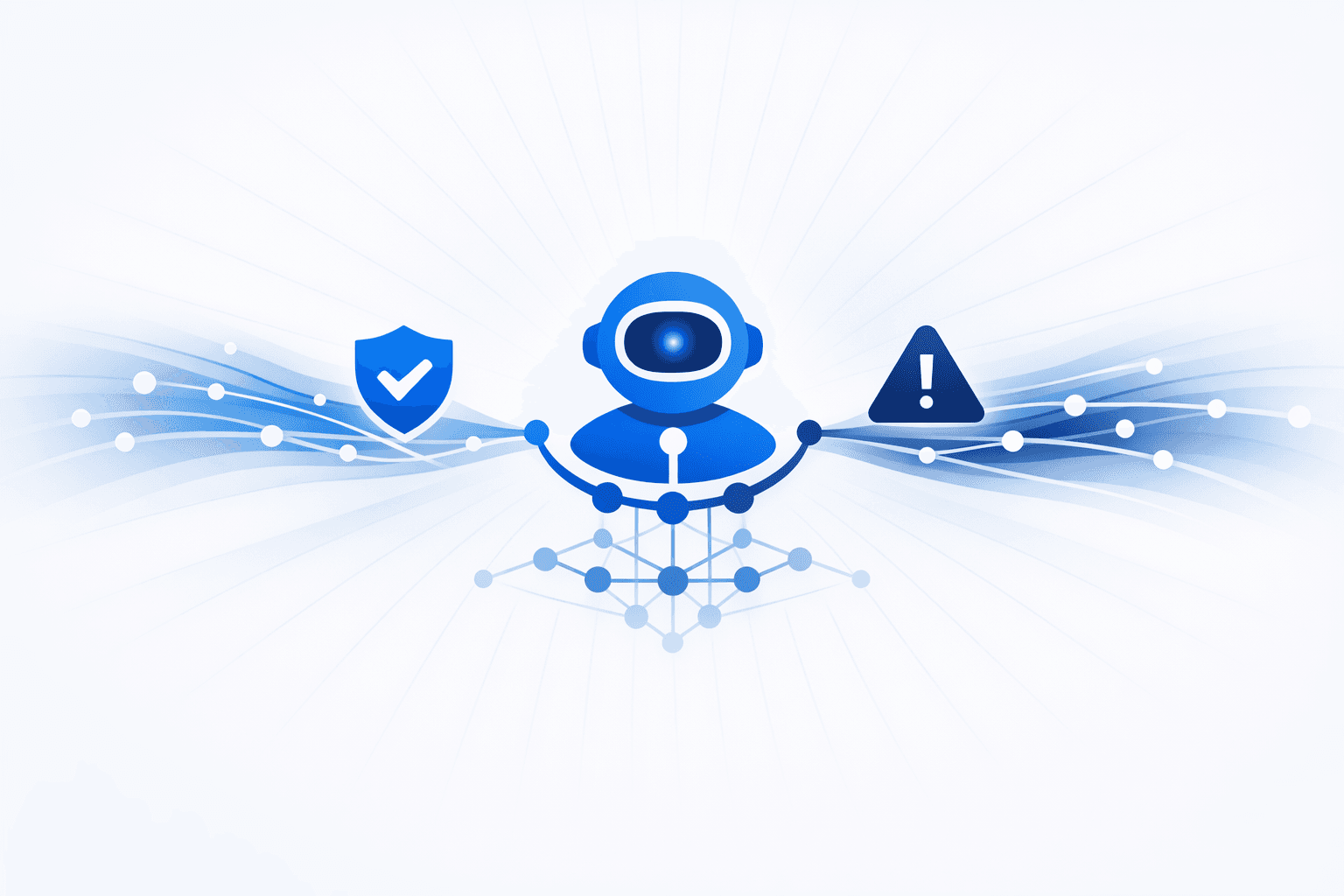
The Open Web Application Security Project (OWASP) has published its inaugural "Top 10 for Agentic Applications," a risk framework specifically addressing the unique security challenges posed by advanced AI agents. These agents, which go beyond simple chatbots to autonomously access data, use tools, and execute tasks, introduce new attack surfaces and risks such as agent goal hijacking, tool misuse, and privilege abuse. The list was developed with input from over 100 security researchers and validated by experts from organizations like NIST and the European Commission, and is based on real-world incidents where AI agents have been manipulated to exfiltrate data, misuse tools, or cause cascading failures in enterprise workflows.
Security experts highlight that the rise of agentic AI also exposes previously overlooked vulnerabilities, such as shadow APIs and legacy systems that were once considered secure by obscurity. AI agents are capable of discovering and interacting with undocumented or forgotten APIs, making even antiquated systems vulnerable if they are connected to modern networks. The new OWASP framework underscores the urgent need for organizations to reassess their security postures, increase visibility into internal systems, and proactively address the risks introduced by autonomous AI agents and their ability to exploit both new and legacy infrastructure.
Why it matters
Impact assessment
OWASP's new agentic AI risk list signals a broad enterprise exposure issue rather than a single-product vulnerability. Organizations deploying AI agents that can access data, invoke tools, execute code, or act with inherited credentials are affected, especially enterprises adopting copilots, workflow automation, and multi-system integrations without security oversight.
The potential impact is high because these agents can enable data exfiltration, destructive actions, privilege abuse, and cascading workflow failures across connected business systems. The exposure appears widespread across industries due to rapid adoption and poor visibility, and the story cites real-world incidents involving data exfiltration, database deletion, and hard-drive initialization, indicating practical exploitation patterns already exist.
Supporting facts
- Affected populations:
- Enterprises deploying agentic AI, copilots, autonomous workflow tools, and AI-integrated business applications
- Security, GRC, and architecture teams responsible for AI-enabled systems
- Environments with undocumented APIs, legacy systems, and inherited machine or human credentials
- Severity drivers:
- Data loss through exfiltration by manipulated copilots or agents
- Operational disruption from destructive outputs, database deletion, or cascading failures
- Privilege abuse where agents inherit user or system credentials
- Reputational and compliance risk from uncontrolled autonomous actions
- Scope:
- Widespread, cross-industry exposure due to rapid enterprise adoption
- Elevated risk where AI deployments occurred without IT or security awareness
- Increased exposure for organizations with shadow APIs and legacy internal services
- Known incident patterns referenced:
- Copilots used for data exfiltration
- Agents causing destructive outputs
- AI agents deleting databases
- AI agents initializing hard drives