Malicious Document and Add-in Campaigns Targeting Windows Systems
Malware Intelligence · 2 sources · Updated 5mo ago · First seen Dec 20, 2025

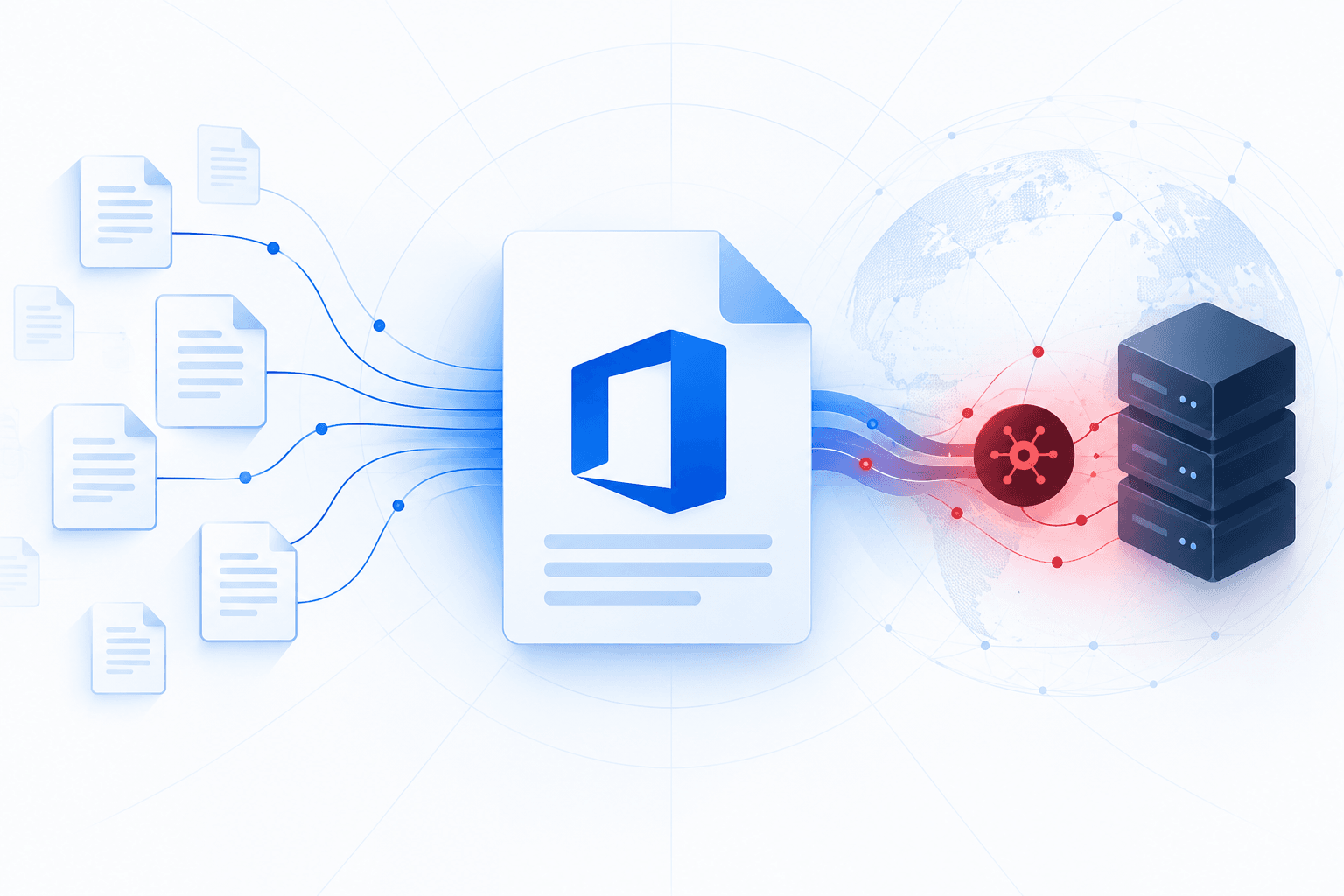
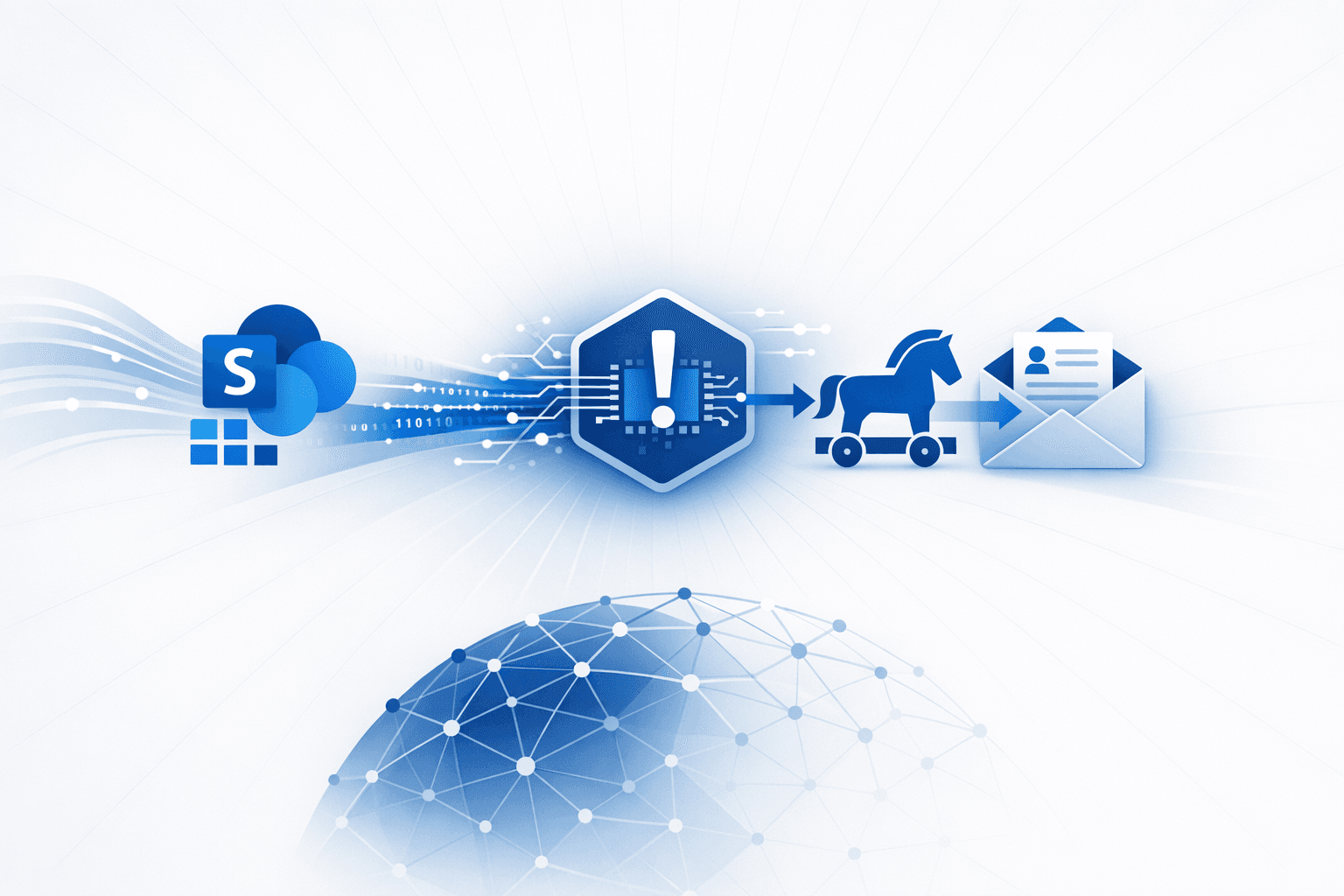
Threat actors are increasingly leveraging weaponized document formats and add-ins to compromise Windows users, with recent campaigns targeting organizations in multiple countries. One operation uncovered by researchers used phishing emails with RAR archives containing obfuscated JavaScript payloads, which exploited the CVE-2017-11882 vulnerability in Microsoft Office's Equation Editor. The infection chain included the use of malicious SVG files, ZIP archives with LNK shortcuts, and a sophisticated four-stage execution pipeline involving steganographically embedded .NET assemblies and the abuse of legitimate open-source libraries, all designed to evade detection and deliver commodity loaders for Remote Access Trojans and information stealers.
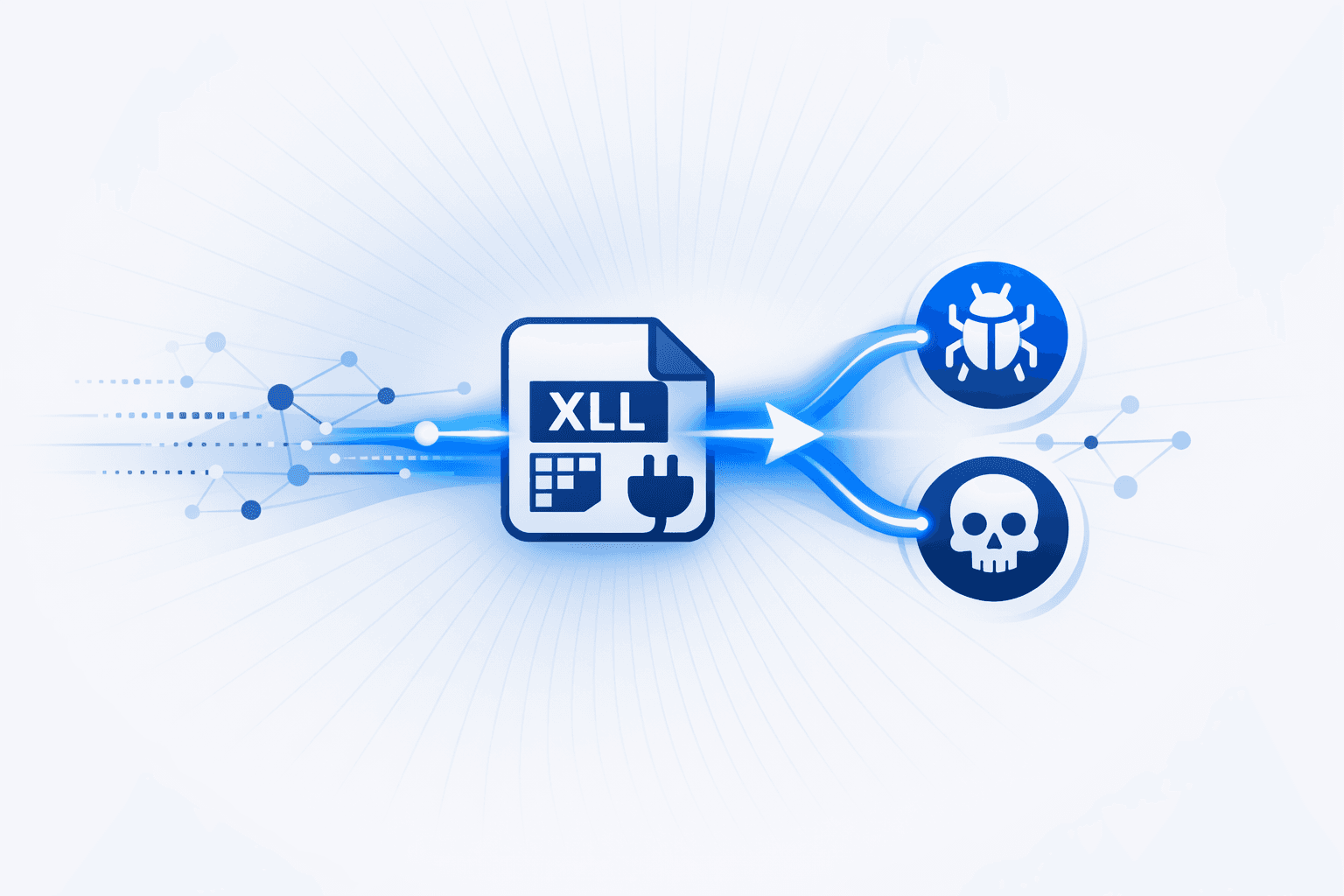
Separately, attackers have been abusing Microsoft Excel's XLL add-in format to deliver malware, with a notable increase in such activity since 2021. Recent incidents include the submission of malicious XLL files to VirusTotal from Ukraine and Russia, which contained a backdoor named EchoGather capable of system reconnaissance, command execution, and file transfer. These XLL-based attacks often use open-source frameworks like Excel-DNA to facilitate payload delivery and in-memory execution, further complicating detection and mitigation efforts for targeted organizations.
Why it matters
Impact assessment
This story describes active malware delivery campaigns against Windows users through weaponized Office documents, SVG files, ZIP/LNK archives, and Excel XLL add-ins. The most directly affected organizations are manufacturing and government entities, with observed targeting in Italy, Finland, Saudi Arabia, and Russian organizations; however, the techniques are broadly applicable to any enterprise using Microsoft Office on Windows.
The impact is high because successful compromise can lead to credential theft, cryptocurrency wallet theft, remote access, command execution, file transfer, and follow-on intrusion. Exposure is both targeted and scalable: phishing lures are tailored to business workflows such as purchase orders, while the underlying loader and XLL tradecraft can be reused widely across sectors.
Supporting facts
- Targeted sectors and geographies:
- Manufacturing and government organizations in Italy, Finland, and Saudi Arabia were targeted in the document-based campaign.
- Paper Werewolf aka GOFFEE is linked to XLL-based activity targeting Russian organizations.
- Malware outcomes:
- Delivered payloads include PureLog Stealer, Katz Stealer, DC Rat, Async Rat, and Remcos.
- EchoGather supports reconnaissance, command execution, file exfiltration, and remote file write.
- Severity drivers:
- Theft of browser credentials, cryptocurrency wallet data, and host details was reported.
- RAT delivery enables persistent remote control and additional malware staging.
- Process hollowing, in-memory loading, steganography, and UAC bypass increase dwell time and reduce detection.
- Scope and exploitation status:
- The campaigns were observed in the wild through phishing operations and VirusTotal submissions.
- Researchers assess the loader infrastructure is shared among multiple threat actors, increasing reuse risk.
- XLL abuse has increased since 2021, indicating a sustained and expanding attack pattern rather than an isolated incident.
- Entities referenced:
- Threat actor: Paper Werewolf aka GOFFEE.
- Researchers: Cyble Research and Intelligence Labs, Seqrite, Nextron Systems, Zscaler, Intezer.
- Historical actor reference: APT10 aka Stone Panda / Potassium.