Mallory
← Back to News
phishing-campaign-intelligenceidentity-impersonation-fraudcredential-access-methodcybercrime-service-ecosystem

Phishing-as-a-Service 'Sneaky 2FA' Kit Enables Browser-in-the-Browser Credential Theft

Social Engineering & Fraud · 5 sources · Updated 5mo ago · First seen Nov 19, 2025
Phishing-as-a-Service 'Sneaky 2FA' Kit Enables Browser-in-the-Browser Credential Theft

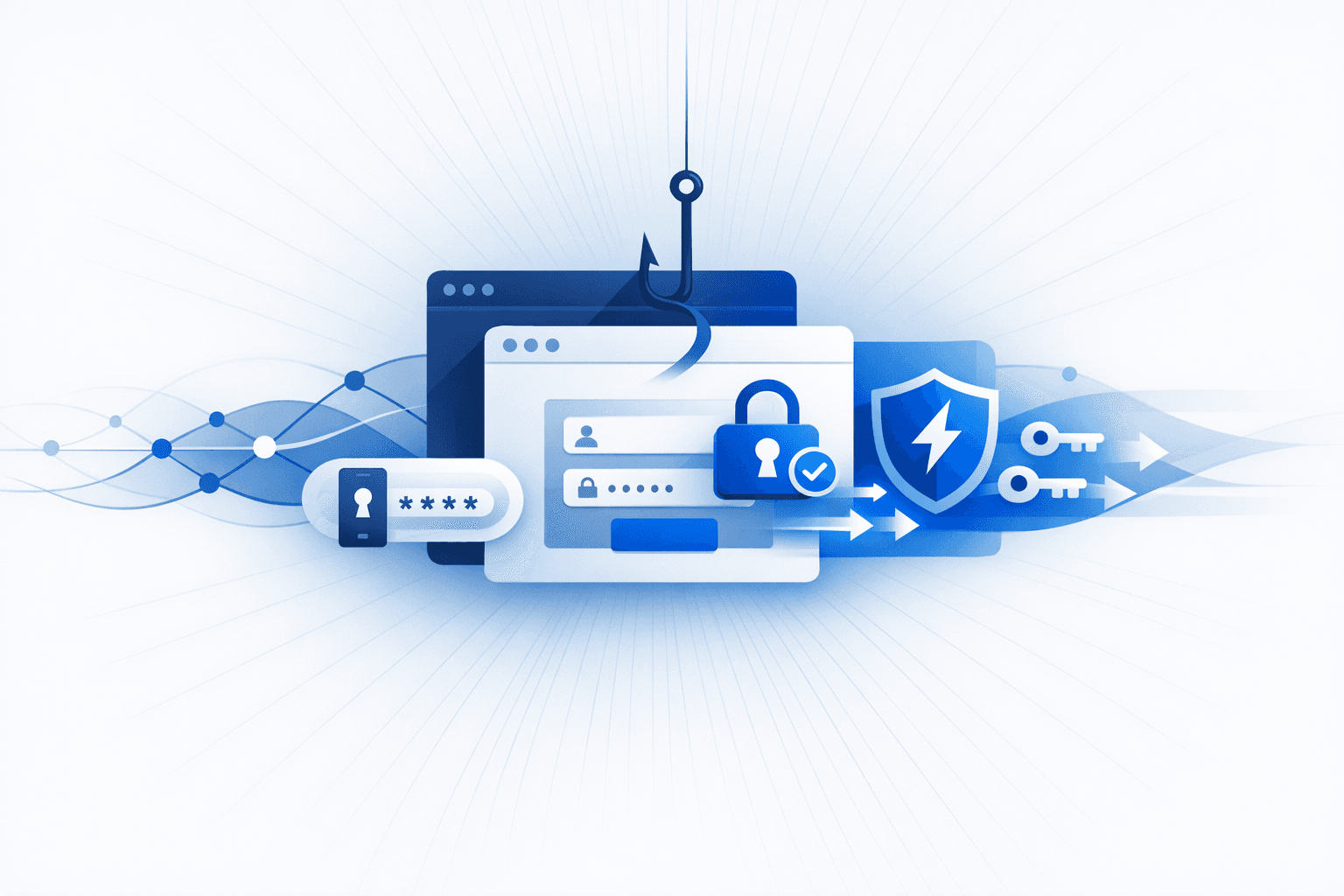
Threat actors are leveraging a Phishing-as-a-Service (PhaaS) kit called Sneaky 2FA to deploy advanced Browser-in-the-Browser (BitB) phishing attacks. This kit allows attackers to create highly convincing fake browser pop-up windows that closely mimic legitimate sign-in prompts, including a forged address bar displaying authentic-looking URLs. The technique is designed to deceive users into entering their credentials, which are then exfiltrated to the attacker. Security researchers have observed these attacks targeting Microsoft account credentials, with the kit's obfuscated code and anti-analysis features making detection and mitigation more challenging.

The Sneaky 2FA kit is available on criminal marketplaces, enabling even less-skilled threat actors to launch sophisticated phishing campaigns at scale. Attackers often use additional evasion tactics, such as bot protection checks (e.g., Cloudflare Turnstile) and CAPTCHAs, to filter out automated security tools before presenting the fake login window to real users. Experts recommend using password managers, which can help detect these fake forms by refusing to autofill credentials on non-legitimate login pages, as a key defense against such deceptive phishing techniques.

Why it matters

Impact assessment

Sneaky2FA increases the risk of enterprise identity compromise by making high-fidelity Browser-in-the-Browser phishing broadly accessible to lower-skill threat actors. Organizations using Microsoft accounts, cloud SSO, and MFA-protected services are most exposed because the kit is designed to capture credentials and MFA codes in real time, enabling downstream access to enterprise applications.

The impact can include account takeover, unauthorized access to cloud services, business email compromise, data theft, and operational disruption tied to identity compromise. Exposure is potentially widespread rather than narrowly targeted because the kit is sold as a service, supports scalable deployment, and is being delivered through multiple channels including email, LinkedIn Messenger, and Google Search.

Supporting facts

  • Threat activity centers on the Sneaky2FA phishing-as-a-service kit.
  • Observed targeting includes Microsoft account credentials.
  • Captured identities can enable downstream application access through SSO hijacking.
  • The kit is marketed on criminal marketplaces and operated through a Telegram bot, lowering the barrier to entry.
  • Browser-in-the-Browser tactics have also been adopted by other PhaaS services, including Raccoon0365.
  • Traditional controls such as email gateways and web filters are reported to be bypassed by the kit’s evasion methods.
  • Researchers explicitly describe real-world credential theft and MFA-code capture, indicating active exploitation in the wild.

Entities

  • Sneaky2FA
  • Push Security
  • Microsoft
  • Cloudflare
  • Raccoon0365
  • LinkedIn Messenger
  • Google Search
  • Telegram
Is your org in this campaign?Get the infrastructure and lures behind it.
Hunt this campaign
Event timeline

How this story unfolded

Events from the most recent confirmed update back to the earliest known activity.

3 events · Nov 18, 2025
  1. Nov 18, 20251y ago

    Multiple outlets publicize Sneaky 2FA's new BiTB capability

    News outlets including The Hacker News, Malwarebytes, SC Media, BleepingComputer, and CSO Online published reports highlighting the updated Sneaky 2FA kit's use of Browser-in-the-Browser phishing to create convincing fake sign-in windows. The coverage emphasized the growing sophistication and accessibility of phishing-as-a-service tooling.

  2. Nov 18, 20251y ago

    Push Security details Sneaky 2FA's delivery and evasion tactics

    Researchers reported that the attack chain could be triggered from the 'previewdoc[.]us' website, which redirected victims to a subdomain hosting a fake Microsoft login page. They also noted conditional loading, anti-analysis measures, obfuscation, and 'burn-and-replace' URLs designed to improve targeting and evade detection.

  3. Nov 18, 20251y ago

    Researchers observe updated Sneaky 2FA kit using Browser-in-the-Browser

    Security researchers identified a new version of the Sneaky 2FA phishing-as-a-service kit that added Browser-in-the-Browser functionality to mimic legitimate browser login pop-ups and conceal the real phishing URL. The updated kit was observed targeting Microsoft account credentials and MFA codes with fake sign-in windows.

Linked entities

Related entities

Vulnerabilities, threat actors, malware, products, organizations, breaches, and observables Mallory has linked to this story. Indicator values are masked here and available in full in the app.

Open in app →

Threat actors

1 linked

Organizations

1 linked
Microsoft Corporation

Observables

3 linked

Indicator values are masked on this page. See the values in Mallory Domains, IPs, hashes, and URLs are exportable to your SIEM.

Do you run this?Get the infrastructure, lures, and IOCs behind this campaign, ready to push into your email and identity stack.
Hunt This Campaign
Mallory platform

See the full picture, correlated to your attack surface.

This page covers what’s public. Mallory adds the parts that aren’t: which of your assets are affected, which threat actors are using it right now, and what to deploy next.

Exposure mappingMap indicators from this story to your assets and identify affected systems in minutes.
Threat actor evidenceEvery observed campaign, victim, and pivot linked to actors named in this story.
Associated malwareMalware, exploits, and IOCs connected to the activity described here.
Detection signaturesYARA, Sigma, and Snort rules deployed to your SIEM as soon as they’re published.
Scheduled alertsGet matching new stories delivered to your team as they break, not the next morning.
AI threadsAsk questions about this story and take action on the answers.