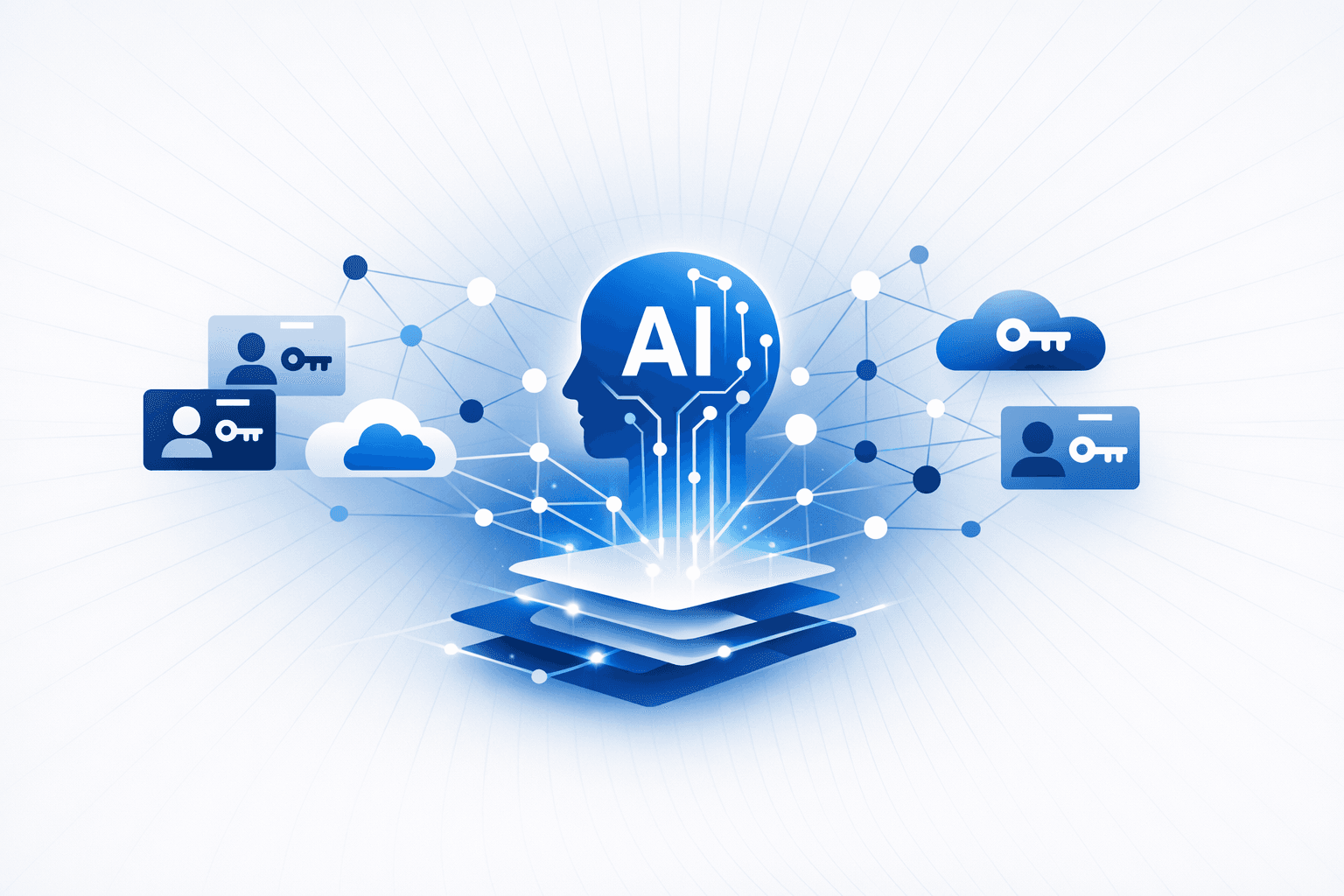
Agentic AI Expands Identity Attack Surface and Security Risks
Emerging Technology Risk · 2 sources · Updated 5mo ago · First seen Nov 14, 2025

Rubrik Zero Labs has released research highlighting how the rapid adoption of agentic AI is fundamentally altering the landscape of identity-driven cyber threats. The report, titled Identity Crisis: Understanding & Building Resilience Against Identity-Driven Threats, reveals that 89% of organizations have already integrated AI agents into their identity infrastructure, with non-human identities (NHIs) now outnumbering human users by a staggering 82 to 1. As organizations increasingly rely on these AI agents, the identity attack surface is expanding faster than most can secure it, creating a significant gap in cyber defense capabilities.
The research warns that more than half of all cyberattacks in the coming year are expected to be driven by agentic AI, as threat actors exploit trust and valid credentials rather than bypassing traditional network defenses. The dissolution of network boundaries due to cloud migration, remote work, and AI integration has made identity the primary attack vector. Rubrik emphasizes that securing NHIs is becoming as critical as protecting human identities, and organizations must adapt their security strategies to address this emerging threat landscape.
Why it matters
Impact assessment
Agentic AI adoption is expanding the identity attack surface across enterprises that use AI agents, cloud services, and automated workflows. The primary affected population is organizations with large numbers of non-human identities, especially cloud-first and remote-work environments where identity has become the main control plane.
The impact is potentially severe because compromise of AI agents or other non-human identities can enable unauthorized access, privilege abuse, data exposure, and operational disruption using valid credentials rather than noisy perimeter attacks. The story describes a broad, strategic exposure trend rather than a single targeted campaign, and it does not provide confirmed in-the-wild incidents tied to specific actors, malware, or victim organizations.
Supporting facts
- Rubrik Zero Labs published research titled Identity Crisis: Understanding & Building Resilience Against Identity-Driven Threats.
- The report states 89% of organizations have integrated AI agents into identity infrastructure.
- The report states non-human identities outnumber human users by 82:1.
- The research projects that more than half of cyberattacks in the coming year are expected to be driven by agentic AI.
- The story frames identity, rather than network perimeter, as the primary attack vector due to cloud migration, remote work, and AI integration.
- Affected environments include identity infrastructure, AI-agent-enabled workflows, cloud environments, and organizations managing large populations of service accounts, tokens, API identities, and other NHIs.