Credential Theft via Phishing and Social Engineering Techniques
Social Engineering & Fraud · 2 sources · Updated 5mo ago · First seen Nov 11, 2025
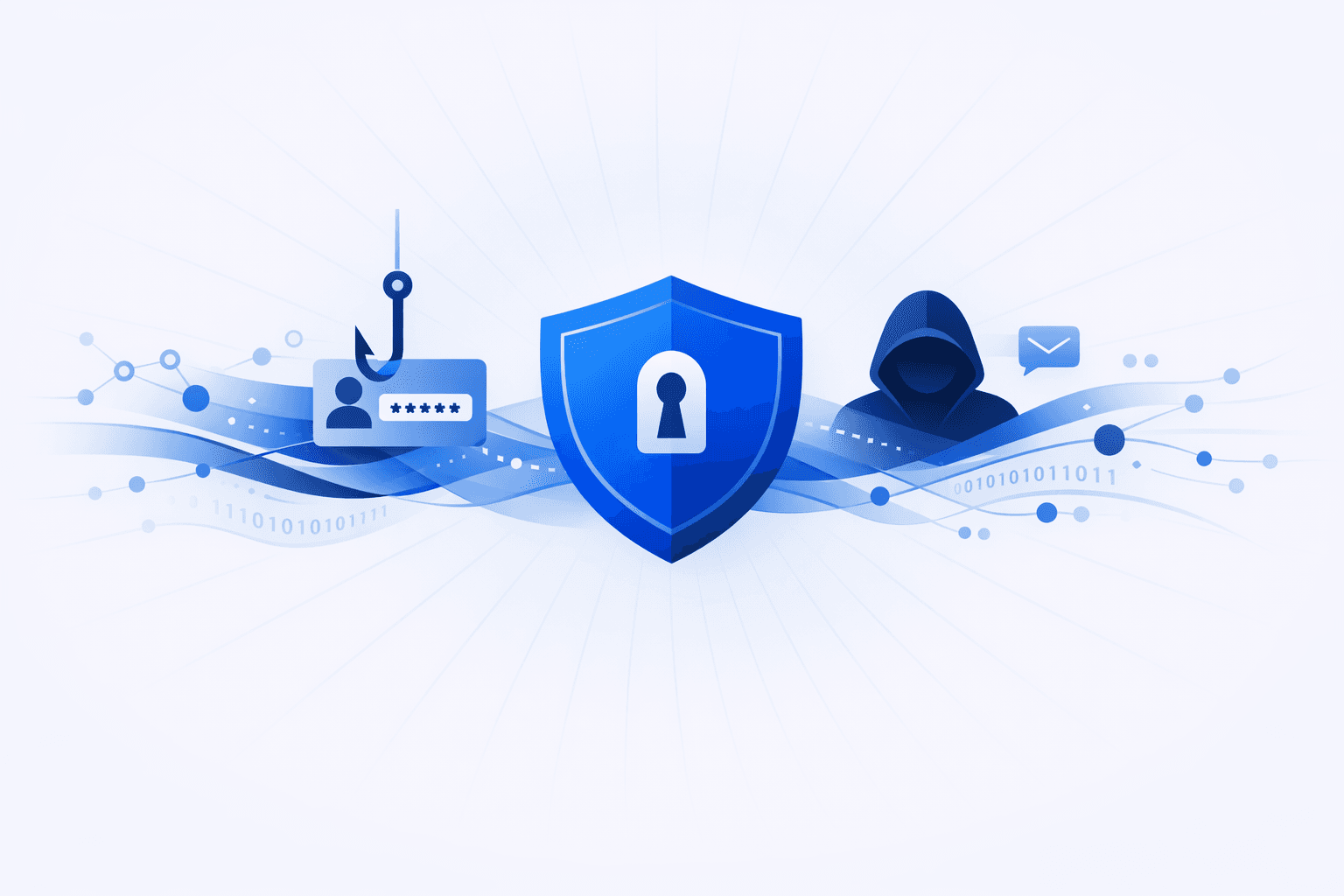
Attackers are increasingly leveraging simple yet effective phishing and social engineering tactics to steal user credentials. One observed method involves sending phishing emails with malicious attachments, such as .shtml files, that present fake login screens to unsuspecting victims. These screens are designed to capture any credentials entered and immediately transmit them to attackers via Telegram bots, making detection and takedown more difficult. The phishing campaigns often use compromised legitimate email accounts and minimal social engineering, relying on the likelihood of password reuse across multiple sites to maximize the value of stolen credentials.
Another prevalent technique targets iPhone owners whose devices have been lost or stolen. Scammers exploit the contact information displayed on the device's lock screen to send convincing messages that mimic Apple's Find My service, tricking victims into entering their Apple ID credentials on fake websites. With these credentials, attackers can unlock, wipe, and resell the devices, as well as access sensitive personal data. These attacks highlight the ongoing evolution of credential theft tactics, emphasizing the need for vigilance against both low-sophistication phishing and more targeted social engineering schemes.
Why it matters
Impact assessment
Credential theft campaigns affect all organizations and users that rely on password-based authentication, with elevated risk for enterprises exposed to email phishing and for consumers using Apple IDs tied to lost or stolen iPhones. Impact includes account takeover, unauthorized access to corporate and personal data, device lockout or wiping, fraud, and downstream compromise caused by password reuse across services.
Summary
These campaigns are low-complexity but high-volume and can produce immediate operational and financial harm through stolen credentials rather than malware deployment. Exposure is broad for email users and more targeted for owners of lost or stolen iPhones; the reporting describes observed real-world abuse, but no named large-scale intrusion set or mass exploitation metrics were provided.
Supporting details
- Affected populations:
- Enterprise and consumer email users targeted by phishing messages
- Organizations whose users reuse passwords across business and personal services
- iPhone owners with lost or stolen devices
- Apple ID users whose credentials can be used to disable protections and access data
- Business impact:
- Account takeover of email, SaaS, VPN, and other password-backed services
- Potential business email compromise if compromised legitimate accounts are reused for further phishing
- Reputational damage and fraud from abuse of trusted accounts
- Loss of devices and associated data if attackers unlock, wipe, and resell stolen iPhones
- Scope:
- Widespread phishing risk due to simple attachment-based credential harvesting
- Targeted social engineering against victims of device theft using lock-screen contact details
- Exploitation status:
- The story describes observed active phishing and social engineering activity in the wild
- No victim counts, sector concentration, or campaign attribution were published