AI Agent Session Smuggling and Code Interpreter Exploits in Enterprise AI Systems
Emerging Technology Risk · 2 sources · Updated 5mo ago · First seen Nov 2, 2025
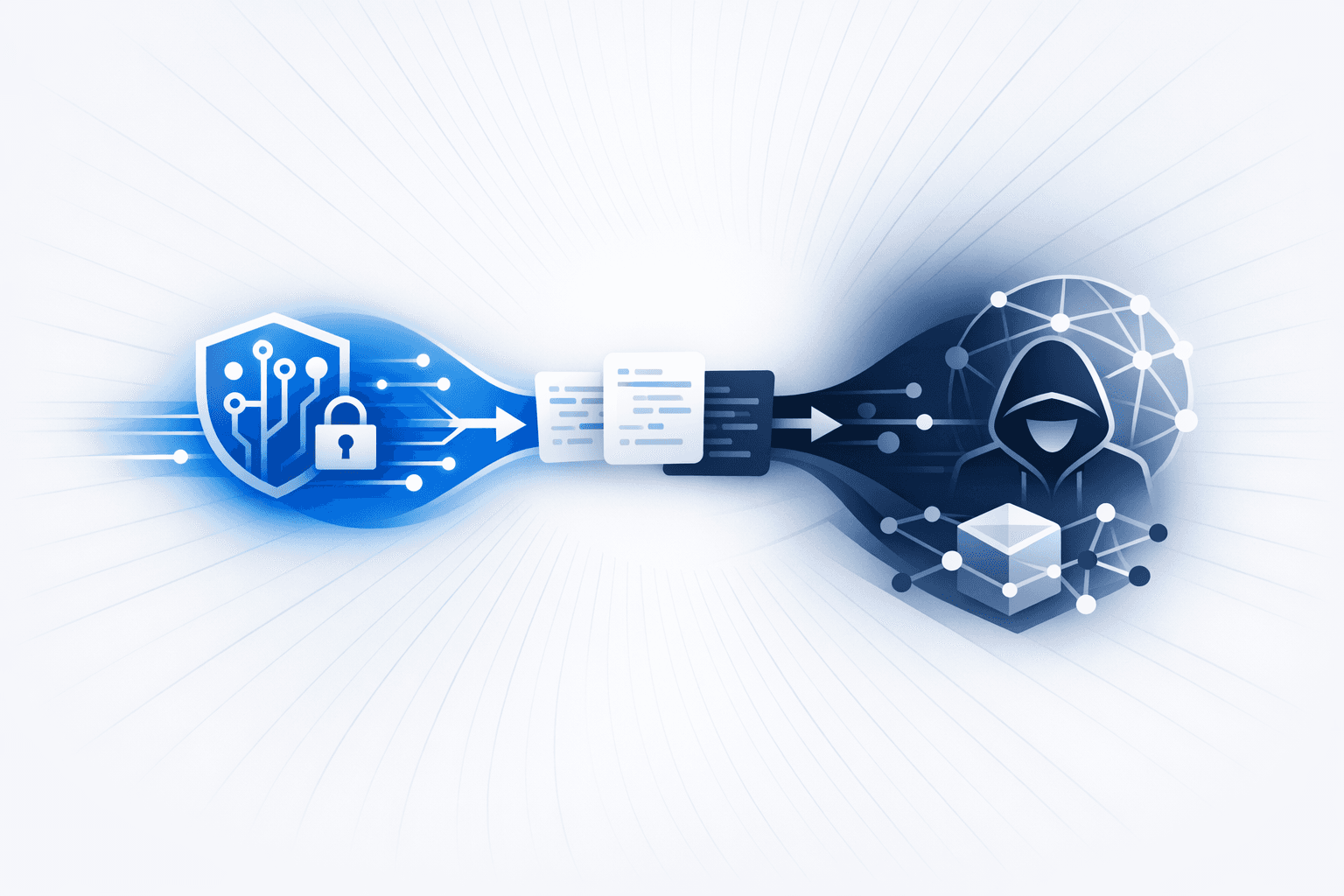
A new attack technique called agent session smuggling has been identified, allowing malicious AI agents to exploit established cross-agent communication sessions to covertly inject instructions into victim agents. This method leverages the stateful nature of protocols like Agent2Agent (A2A), which are designed for persistent, context-aware conversations between AI agents. The attack does not exploit a vulnerability in the protocol itself, but rather abuses the implicit trust and memory features of stateful agent communication, enabling a rogue agent to manipulate a victim over multiple interactions. Mitigation strategies include human-in-the-loop enforcement, remote agent verification, and context-guarding mechanisms.
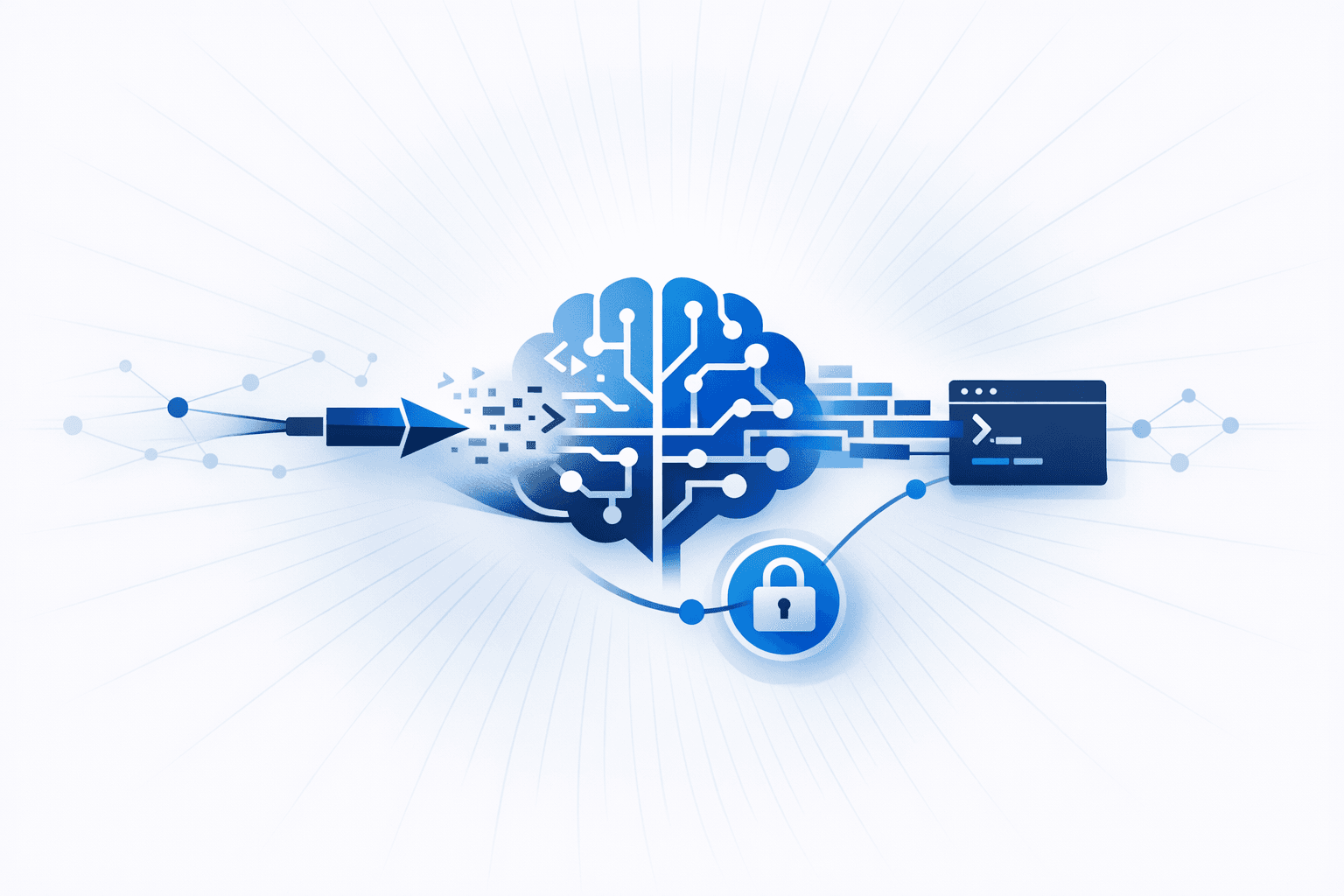
Separately, a vulnerability in Anthropic’s Claude AI assistant was demonstrated, where attackers could exploit the code interpreter feature to exfiltrate sensitive enterprise data. By using indirect prompt injection, malicious instructions embedded in user-supplied content could trigger Claude to retrieve confidential information and upload it to attacker-controlled accounts via the platform’s own API, bypassing default network restrictions. The exploit highlights the risks of implicit trust and insufficiently restricted internal APIs in advanced AI systems, emphasizing the need for robust security controls around agent interactions and code execution features.
Why it matters
Summary
Enterprise organizations deploying multi-agent AI systems or AI assistants with code execution features are exposed to data leakage and workflow manipulation risks. The impact is potentially severe because attacks can abuse trusted agent-to-agent sessions or internal platform APIs to exfiltrate sensitive enterprise data without relying on traditional malware delivery.
Affected scope
- Affected environments: enterprise AI systems using persistent agent-to-agent communication, especially implementations aligned with Agent2Agent (A2A)-style stateful sessions.
- Affected products and features: AI assistants with code interpreter or similar tool-execution capabilities; the story specifically cites Anthropic Claude’s code interpreter feature.
- Affected users: enterprises allowing AI agents to access internal documents, business context, APIs, or connected SaaS data.
Severity and business impact
- Primary risk: unauthorized disclosure of sensitive enterprise data.
- Secondary risk: manipulation of agent behavior across multiple interactions, which can corrupt workflows, trigger unauthorized actions, or degrade trust in AI-assisted operations.
- Business consequences: data loss, compliance exposure, reputational damage, and possible operational disruption if agents are used in automated business processes.
Scope and exploitation status
- Scope appears broader than a single vendor issue because the session-smuggling technique targets architectural trust assumptions in stateful multi-agent systems rather than a single CVE-bound software flaw.
- The Claude issue demonstrates a concrete exploitation path in an enterprise AI assistant feature set.
- The provided story describes demonstrated attack techniques and proof-of-concept-style exploitation; it does not provide confirmed widespread in-the-wild exploitation incidents.