ClickFix and Cache Smuggling Techniques Used for Malware Delivery
Social Engineering & Fraud · 3 sources · Updated 5mo ago · First seen Oct 27, 2025

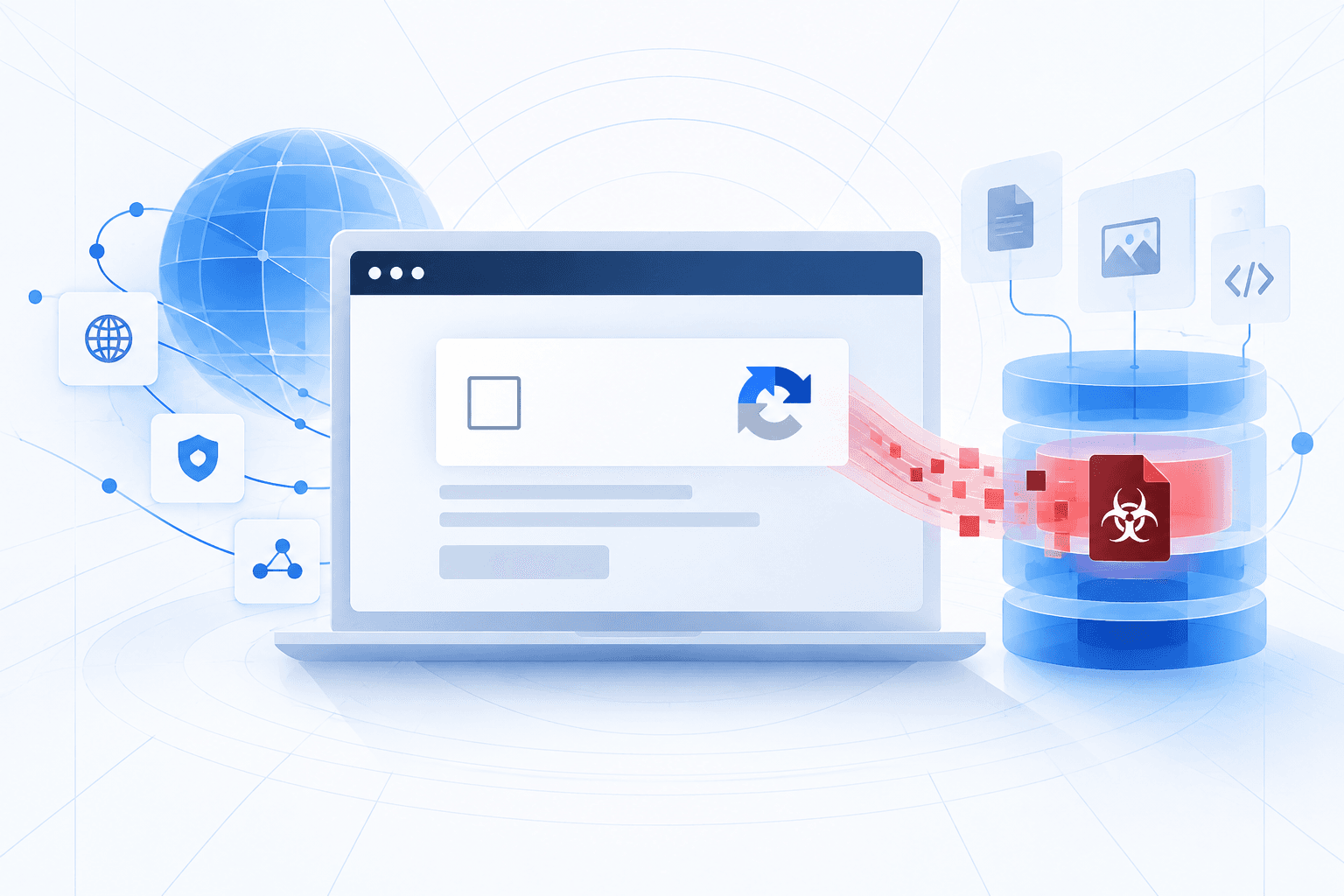
Attackers are leveraging ClickFix-style phishing pages to deliver malware by exploiting browser cache mechanisms and social engineering tactics. In these campaigns, malicious websites masquerade as Captcha tests and prompt users to execute clipboard-injected commands via the Windows Run dialog, enabling the execution of arbitrary code. A notable evolution of this technique involves using cache smuggling, where the initial loader extracts the second-stage payload directly from the browser's cache, bypassing the need for direct web requests and evading some detection mechanisms.
Recent campaigns have combined these methods with the deployment of remote access tools such as NetSupport RAT, using ClickFix lures to infect hosts and establish covert access. Multiple threat clusters have been observed utilizing remote monitoring and management (RMM) software for persistent, stealthy access to compromised systems. These developments highlight the increasing sophistication of social engineering and technical delivery mechanisms in modern malware campaigns, emphasizing the need for heightened user awareness and advanced detection strategies.
Why it matters
Impact assessment
ClickFix-style phishing and cache-smuggling delivery chains primarily affect Windows enterprise users who can be socially engineered into executing clipboard-delivered commands, with elevated risk in organizations that permit broad web access and tolerate unsanctioned remote administration tools. The impact is high because successful execution can lead to malware installation, covert remote access, credential theft follow-on activity, and operational disruption without requiring a traditional exploit.
Business impact
- Affected populations: Windows end users, especially office staff, contractors, and privileged users exposed to web-based lures.
- Affected environments: Enterprises with weak application control, permissive PowerShell or script execution, and limited monitoring of browser cache abuse or RMM tooling.
- Likely industries: Broad cross-sector exposure; campaigns using fake CAPTCHA lures are typically opportunistic and internet-scale rather than sector-specific.
- Severity: High for compromised endpoints because execution is user-assisted and can rapidly transition to persistent remote access.
- Consequences: Malware infection, unauthorized remote control, potential credential access, lateral movement, data theft, and reputational or financial damage.
Scope and exploitation
- Scope of exposure is widespread because the technique relies on commodity phishing infrastructure and common browser/user behavior rather than a niche vulnerability.
- The story describes active campaigns and multiple threat clusters using ClickFix lures and RMM software, indicating exploitation in the wild.
- Use of NetSupport RAT and other remote monitoring/management tools increases dwell time risk because these tools can blend with legitimate administrative activity.