Privacy and Anti-Scam Enhancements in Popular Messaging Apps
Regulatory & Policy · 2 sources · Updated 5mo ago · First seen Oct 24, 2025
A recent independent study by Incogni evaluated the privacy practices of major messaging apps, ranking platforms such as Discord, Telegram, Snapchat, Facebook Messenger, and WhatsApp based on 18 privacy criteria. The study highlighted that while Discord scored highest for privacy overall, the rankings can shift depending on which criteria are prioritized, and users are cautioned not to make decisions based solely on aggregate scores. The analysis emphasized the importance of understanding how messaging apps handle user data, respond to law enforcement requests, and protect against social engineering attacks.
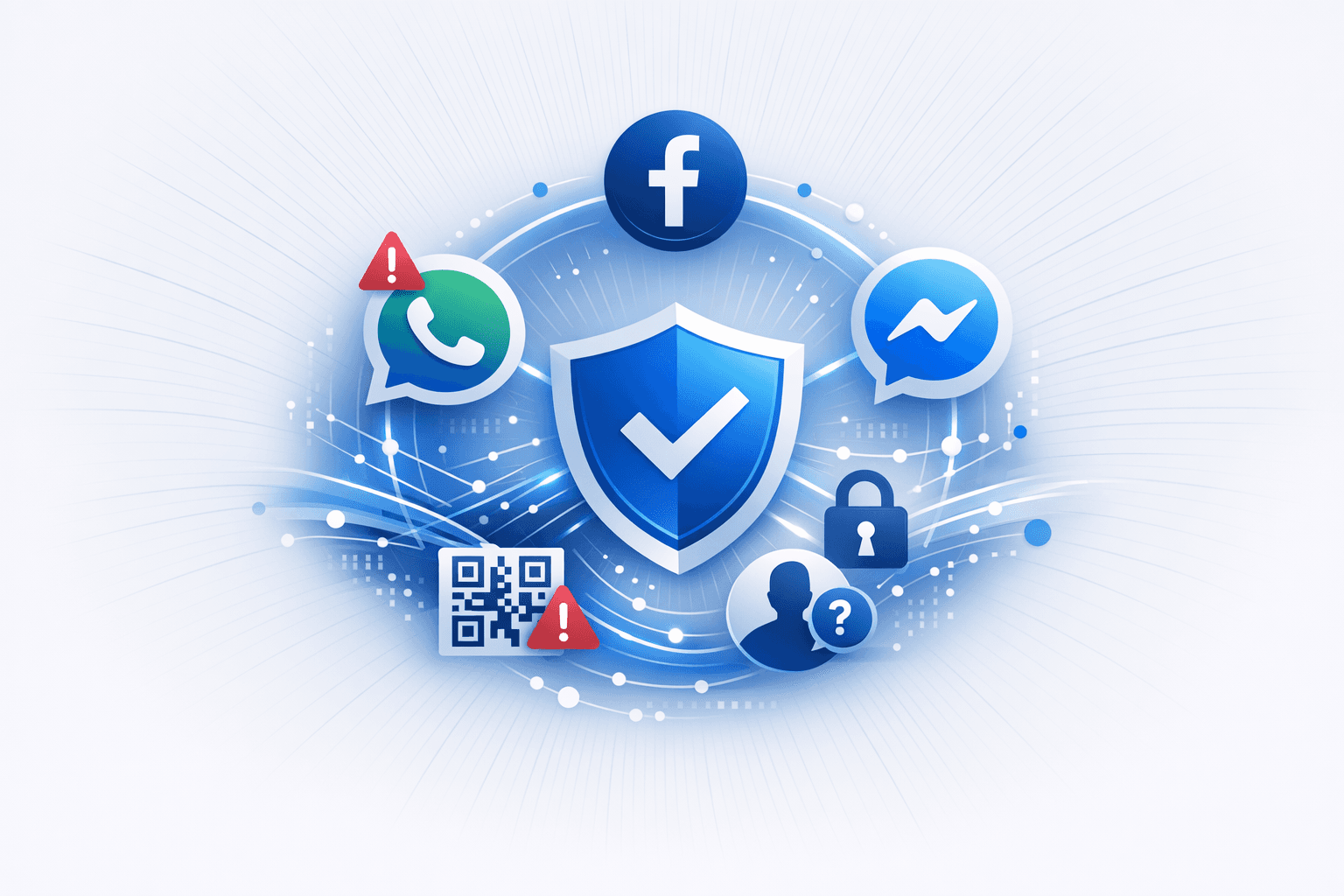
In parallel, Meta has introduced new anti-scam features for WhatsApp and Messenger to bolster user security. These updates include advanced scam-detection tools in Messenger that warn users about suspicious chats and allow for AI-based scam reviews, as well as new warnings in WhatsApp to prevent users from sharing their screens with untrusted contacts. Additional features notify users when they are contacted by unknown individuals or added to group chats by strangers, providing context and safety tips to help users avoid scams. These developments reflect a broader industry trend toward improving both privacy and security in messaging platforms.
Why it matters
Impact assessment
This story primarily affects consumer and enterprise users of major messaging platforms including WhatsApp, Messenger, Discord, Telegram, and Snapchat. The impact is moderate and centered on privacy exposure, social engineering risk, and fraud prevention rather than a newly disclosed software compromise or destructive cyber event.
There is no indication of a widespread technical breach, active exploitation campaign, or newly weaponized vulnerability in the referenced material. The practical risk is targeted user deception, account abuse, and data exposure through platform data handling practices and scams conducted over messaging channels.
Affected entities
- Products/platforms named: Discord, Telegram, Snapchat, Facebook Messenger, WhatsApp
- User populations: consumer users, business users relying on messaging apps, support teams, social media and community managers, high-risk individuals targeted by scams
- Industries affected: broad cross-sector exposure wherever messaging apps are used for customer contact, internal coordination, or community engagement
Severity and scope
- Primary harms: fraud, credential theft, privacy loss, reputational damage, and user trust erosion
- Operational impact: limited direct operational disruption from the story itself; greater concern is downstream scam success against users and staff
- Scope: broad platform relevance, but threat activity described is generic and not tied to a specific campaign or intrusion set
- Known in-the-wild exploitation: scams and social engineering on messaging platforms are implied, but no concrete incident set, malware campaign, or exploitation data is provided in the story
Structured facts extracted
- Incogni study evaluated major messaging apps across 18 privacy criteria
- Discord ranked highest overall in the cited privacy comparison
- Study cautioned that rankings vary depending on weighting of criteria
- Meta introduced anti-scam protections for WhatsApp and Messenger
- Messenger updates include suspicious-chat warnings and AI-based scam review capability
- WhatsApp updates include warnings before screen sharing with untrusted contacts
- Additional protections notify users about unknown contacts and group additions by strangers