Phishing Scams Exploiting Common Apps and Meta's Countermeasures
Social Engineering & Fraud · 3 sources · Updated 5mo ago · First seen Oct 22, 2025

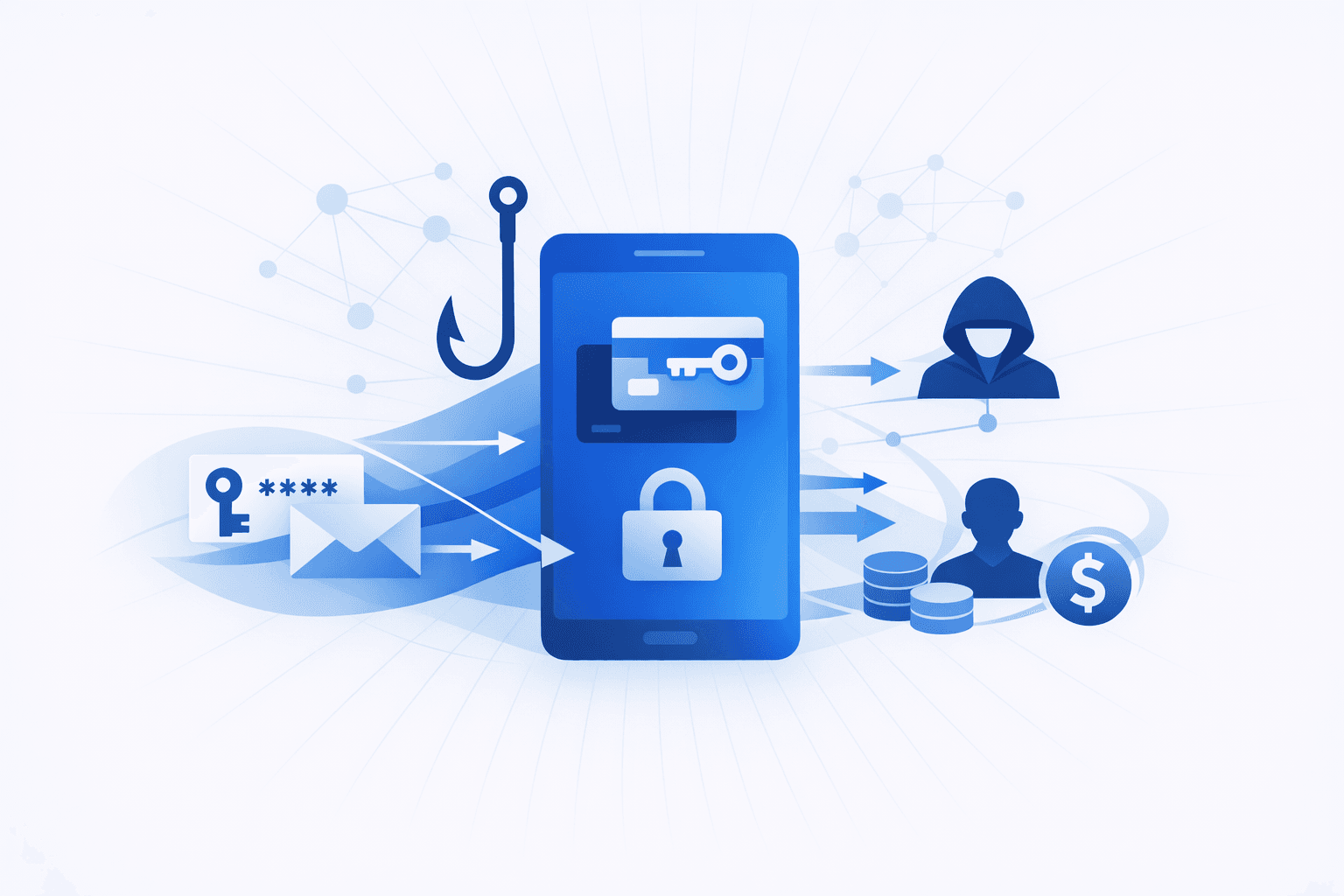
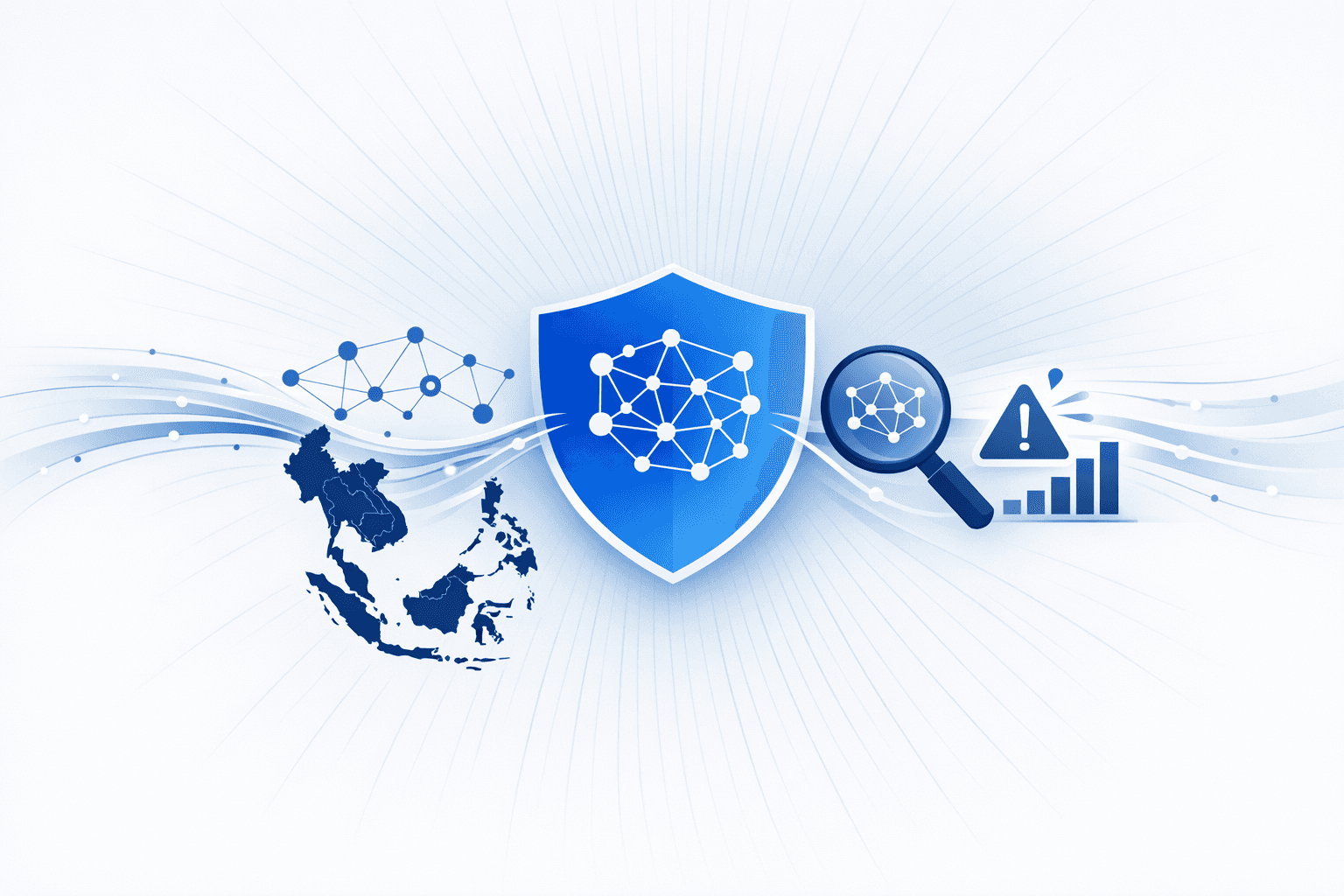
Cybercriminals have increasingly weaponized common applications such as email, messaging platforms, and social media to conduct sophisticated phishing scams targeting users worldwide. Attackers frequently use seemingly innocuous PDF attachments in emails, which are crafted to appear as official documents from trusted brands like Microsoft, DocuSign, or PayPal. These emails often employ urgent subject lines to create a sense of immediacy, prompting recipients to open the attachments. The PDFs themselves are professionally styled and contain official logos, further enhancing their credibility. Victims are typically instructed to call a customer service number, where they are met by impersonators who attempt to extract sensitive information or trick them into installing malware. In addition to email-based attacks, cybercriminals are leveraging vishing techniques, using phone calls—including those made via messaging apps like WhatsApp—to deceive users into revealing confidential data. These calls often originate from foreign numbers and use automated voices to increase the likelihood of success. Recognizing the growing threat, Meta has introduced new security tools for WhatsApp and Messenger to help users identify and avoid scams. On WhatsApp, users now receive warnings when attempting to share their screen with unknown contacts during video calls, reducing the risk of inadvertently disclosing sensitive information. Messenger users can enable a 'Scam detection' feature, which alerts them to suspicious messages from unknown senders and offers the option to submit messages for AI review. If a scam is detected, users are provided with educational information about common scam tactics and options to block or report the sender. Meta has also taken significant action against scam operations, removing over 21,000 Facebook Pages and accounts impersonating customer support representatives. Furthermore, the company has disrupted nearly 8 million accounts linked to criminal scam centers operating from countries such as Myanmar, Laos, Cambodia, the UAE, and the Philippines. These scam centers target individuals globally through various platforms, including messaging, dating apps, and cryptocurrency services. The scams often involve romance baiting and fraudulent job offers, exploiting users' trust and financial vulnerability. Meta's efforts underscore the scale and sophistication of modern phishing campaigns and the necessity for ongoing vigilance and technological defenses. Users are advised to remain cautious when interacting with unsolicited communications, especially those requesting sensitive information or urgent action. The combination of technical countermeasures and user education is critical in mitigating the risks posed by these evolving phishing threats. Organizations and individuals alike must stay informed about the latest tactics used by cybercriminals and adopt best practices to safeguard their information. The ongoing battle between attackers and defenders highlights the dynamic nature of the cybersecurity landscape and the importance of proactive security measures.
Why it matters
Impact assessment
Phishing and vishing campaigns described here affect broad consumer and enterprise user populations that rely on email, WhatsApp, Messenger, social media, dating apps, and cryptocurrency platforms. The impact includes credential theft, financial fraud, malware installation, and reputational harm for brands being impersonated, with exposure clearly widespread rather than narrowly targeted.
Known activity is occurring in the wild at significant scale. Meta reports removing more than 21,000 Facebook Pages and accounts impersonating customer support and disrupting nearly 8 million accounts tied to scam centers operating from Myanmar, Laos, Cambodia, the UAE, and the Philippines.
Affected entities and populations
- End users receiving unsolicited emails, messages, and calls
- Organizations whose brands are impersonated, including Microsoft, DocuSign, and PayPal
- Users of WhatsApp and Messenger
- Users of dating apps and cryptocurrency services
- Global victims targeted by scam centers
Severity and business risk
- Financial loss through fraud and social engineering
- Credential compromise and disclosure of sensitive information
- Potential malware infection following phone-based social engineering
- Reputational damage to impersonated brands and platforms hosting scam activity
- Operational burden on security and fraud teams handling user reports and account abuse
Scope and observed activity
- Widespread, multi-platform scam activity rather than a single-product incident
- Active abuse of email, messaging apps, social media, voice calls, and video-call screen sharing
- Meta enforcement actions indicate industrialized scam operations at large scale