Ransomware Recovery Challenges and the Shift to Targeted Attacks
Threat Actor Intelligence · 4 sources · Updated 5mo ago · First seen Oct 24, 2025
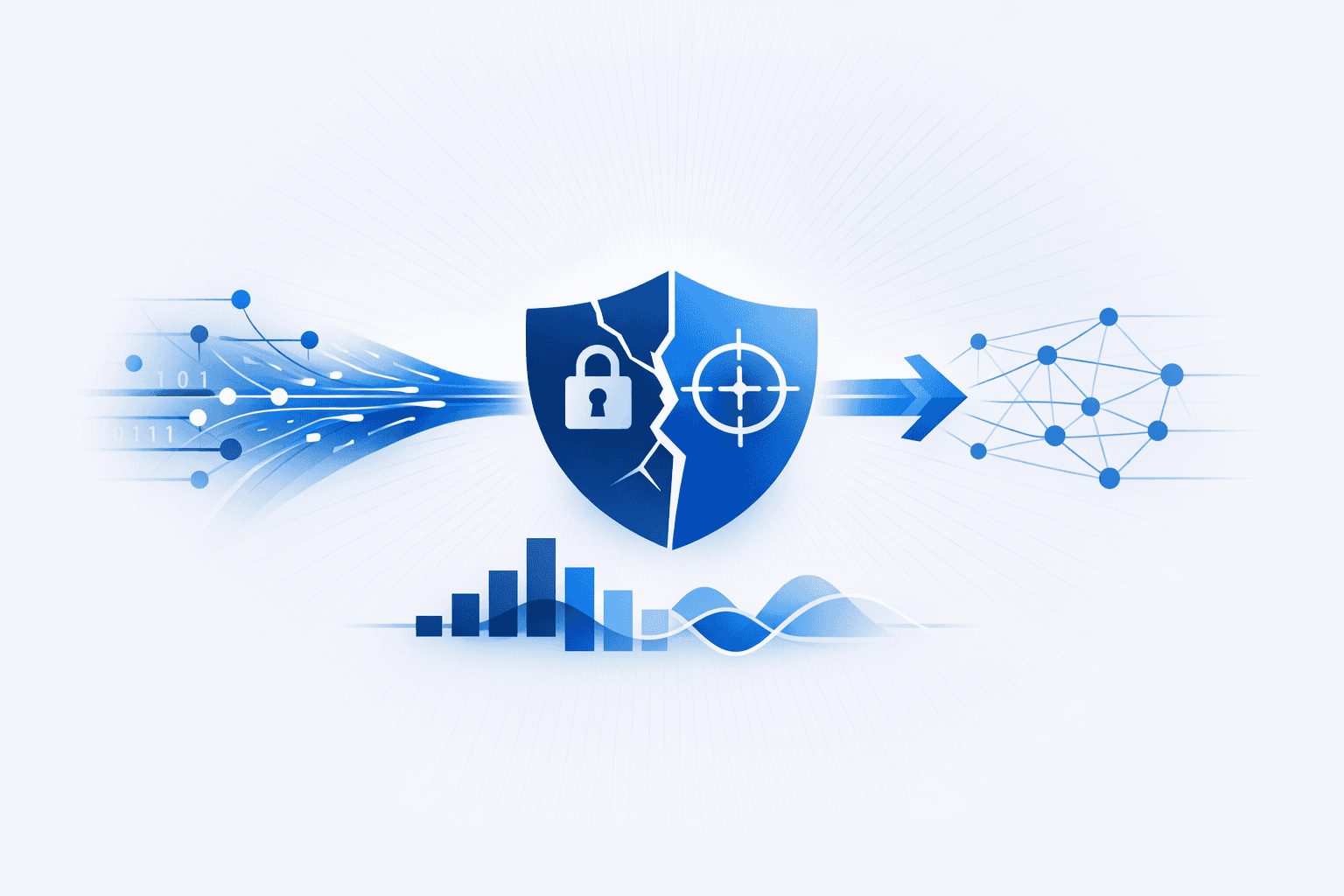
Ransomware attacks continue to pose a significant threat to organizations, with recent surveys indicating that paying the ransom does not guarantee successful data recovery. According to Hiscox’s Cyber Readiness Report, only 60% of companies that paid a ransom were able to recover all or part of their data, while 40% lost their data despite payment. The technical sophistication of ransomware operators varies, with established groups more likely to provide functional decryptors, but many victims still face flawed encryption or unresponsive attackers. Additionally, the frequency of ransomware incidents has surged, with reports showing a near tripling of cases year-over-year in early 2025, and a majority of victims experiencing data theft even after paying ransoms.
The ransomware landscape has evolved from high-volume, opportunistic attacks to a "big game hunting" model, where adversaries selectively target organizations with the most to lose and the greatest ability to pay. New criminal syndicates such as Spoiled Scorpius (RansomHub) and Howling Scorpius (Akira) are conducting sophisticated, long-term campaigns against high-value targets, often employing multi-extortion tactics that combine data encryption with threats of public exposure. This strategic shift has transformed ransomware from a purely IT issue into a critical business continuity threat, requiring organizations to adopt new defensive strategies and prepare for more calculated, high-impact attacks.
Why it matters
Impact assessment
Ransomware remains a high-impact business continuity threat across sectors, with the greatest risk to organizations that are operationally dependent on rapid data recovery or have high willingness to pay. The story indicates a broad exposure landscape rather than a single-product issue, with attackers increasingly prioritizing targeted, high-value victims in big-game-hunting campaigns.
Operational and financial impact is severe: paying a ransom does not reliably restore data, and many victims still suffer data loss, downtime, customer disruption, and revenue impact. The reporting cites both widespread incident volume growth and a shift toward more selective, multi-extortion attacks, indicating both broad background risk and concentrated harm against larger or more valuable enterprises.
Supporting facts
- Hiscox Cyber Readiness Report: 60% of companies that paid a ransom recovered all or part of their data; 40% lost data despite payment.
- Veeam Data Trust and Resilience Report 2026: only 28% of organizations fully restored data after a ransomware attack.
- Veeam: organizations recovered an average of 72% of affected data after ransomware incidents.
- Veeam: 29% of organizations experienced data loss, downtime, or business disruption after ransomware attacks.
- Veeam: among organizations with a cyber incident in the prior 12 months, more than 40% reported customer or constituent disruption.
- Veeam: around 40% reported financial loss or revenue impact.
- Veeam: 38% reported extended downtime of critical systems.
- The story states ransomware incidents nearly tripled year over year in early 2025.
- The story describes a shift from opportunistic attacks to targeted big-game-hunting operations.
- Named threat entities in the story: Spoiled Scorpius (RansomHub) and Howling Scorpius (Akira).
- The story states many victims face data theft even after paying, consistent with multi-extortion pressure.
- AI-related governance gaps may worsen resilience: 43% said AI adoption outpaced their ability to secure data and models; 42% reported limited visibility into AI tools or models; 40% had not updated policies for AI-specific risks.