Ransomware Attacks Disrupt School Operations and Highlight Recovery Challenges
2 sources · Updated 5mo ago · First seen Oct 1, 2025
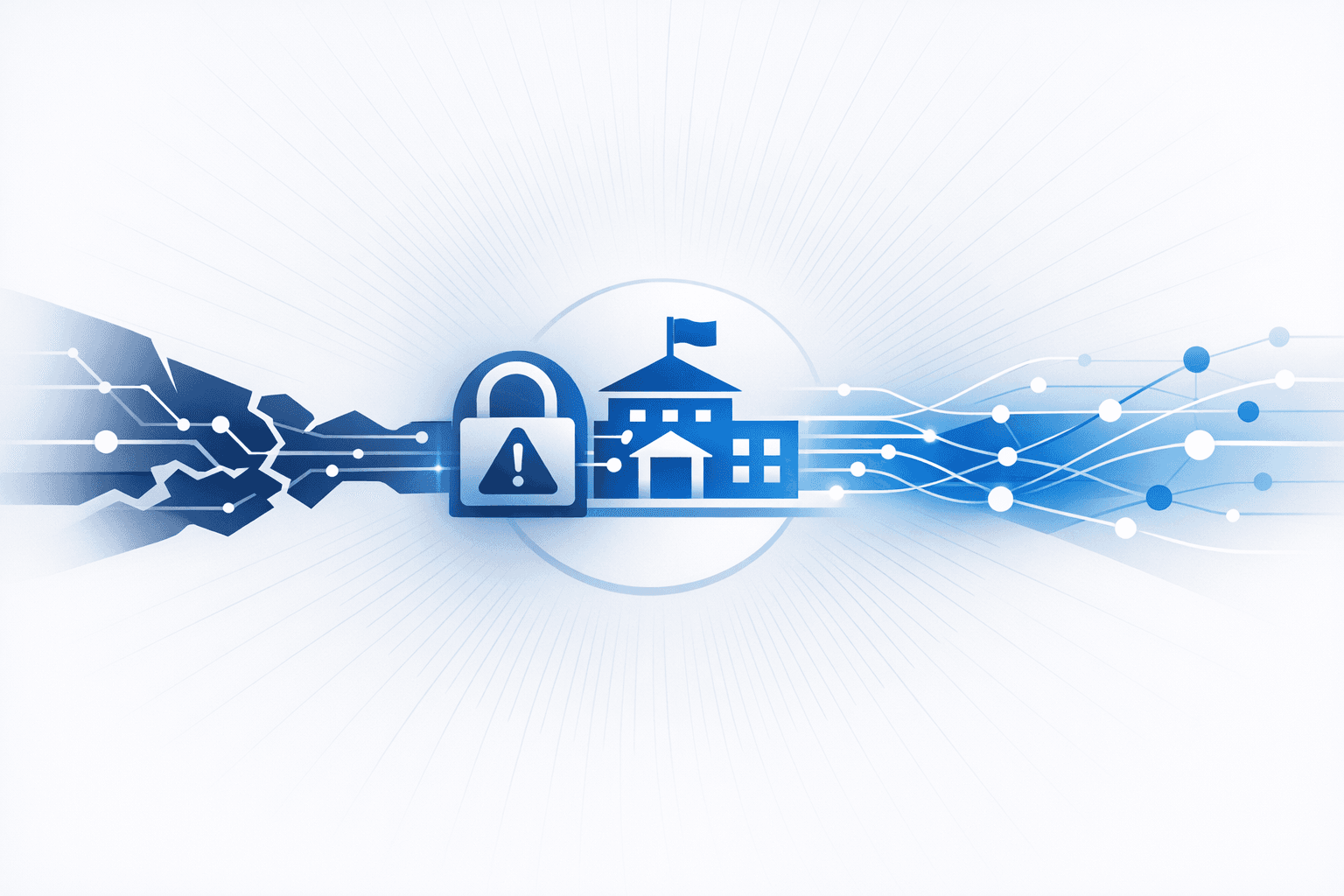
Educational institutions are increasingly targeted by cybercriminals, with ransomware attacks causing significant operational disruptions and data loss. In the United Kingdom, new figures from Ofqual reveal that while more teachers are receiving cybersecurity training, schools are taking longer to recover from cyber incidents. Only 55 percent of affected schools managed to recover immediately, a decline from the previous year, and 10 percent reported critical damage, nearly double the previous rate. The impact on students and staff is severe, with some schools losing coursework and lesson plans permanently, forcing teachers to recreate resources and disrupting classes for weeks. One unnamed academy trust experienced such extensive damage that staff across the organization had to rebuild schedules and resources from scratch. The human cost is substantial, as students’ academic progress is directly affected by the loss of critical educational materials. Ofqual has responded by urging schools to strengthen their cyber defenses, emphasizing the importance of regular data backups and robust malware protection. In the United States, the South Lyon Community School District was forced to shut down schools after a ransomware attack crippled phone systems and emergency response sub-systems. Although there is no evidence that student or faculty data was compromised in this incident, the attack severely disrupted normal operations and highlighted vulnerabilities in critical infrastructure. According to the Center for Internet Security, 82% of K-12 schools in the U.S. experienced a cyber incident between July 2023 and December 2024, underscoring the widespread nature of the threat. The South Lyon attack was attributed to a well-known ransomware group, though officials have not disclosed the group’s identity. The incident demonstrates that even with increased awareness and training, schools remain vulnerable to sophisticated attacks that can bypass existing defenses. Both UK and US authorities stress that the cost of prevention, including reliable backup and recovery strategies, is far less than the cost of responding to a successful attack. The growing frequency and severity of these incidents have prompted calls for greater investment in cybersecurity measures across the education sector. The loss of access to emergency systems, as seen in South Lyon, raises additional concerns about student safety during critical events. The trend of longer recovery times and more severe outcomes suggests that attackers are employing more destructive tactics, making it harder for schools to restore normal operations. The publication of sensitive data, as referenced in other UK incidents, further illustrates the risks to student privacy and institutional reputation. As schools continue to digitize their operations, the need for comprehensive cybersecurity strategies becomes increasingly urgent. The educational sector’s unique challenges, including limited budgets and legacy systems, make it a prime target for ransomware groups seeking to maximize disruption. Authorities recommend that schools prioritize regular backups, employee training, and incident response planning to mitigate the impact of future attacks. The ongoing wave of ransomware incidents serves as a stark reminder that educational institutions must remain vigilant and proactive in defending against evolving cyber threats.
Why it matters
Impact Assessment
- Primary affected sector: K-12 education, including schools, academy trusts, and school districts in the UK and US.
- Business/operational impact: Ransomware incidents are causing material operational disruption, including school closures, loss of access to phone systems, impairment of emergency response subsystems, and prolonged interruption to teaching activities.
- Human and mission impact: Loss of coursework, lesson plans, schedules, and other educational resources directly affects student learning outcomes, staff workload, and continuity of instruction. In some cases, teachers and administrators must rebuild resources from scratch.
- Severity: High. Even where data theft is not confirmed, the operational impact alone is severe. Reported outcomes include weeks-long disruption, permanent loss of educational materials, and critical damage to school operations.
- Scope of exposure: Broad and persistent. The story cites that 82% of K-12 schools in the US experienced a cyber incident between July 2023 and December 2024, indicating the sector is under sustained pressure rather than facing isolated events.
- Recovery trend: Recovery performance appears to be worsening. In UK reporting, only 55% of affected schools recovered immediately, while 10% reported critical damage, suggesting more destructive or harder-to-remediate incidents.
- Safety and reputational risk: Disruption to emergency systems elevates student safety risk during critical events. Potential publication of sensitive data creates additional privacy, legal, and reputational exposure for institutions.
- Exploitation in the wild: Yes. The story describes active ransomware incidents affecting schools, including a US district attack attributed to a known ransomware group, though the group name is not disclosed.