Ransomware Groups Targeting Cloud Backup Systems and Credentials
2 sources · Updated 5mo ago · First seen Sep 25, 2025
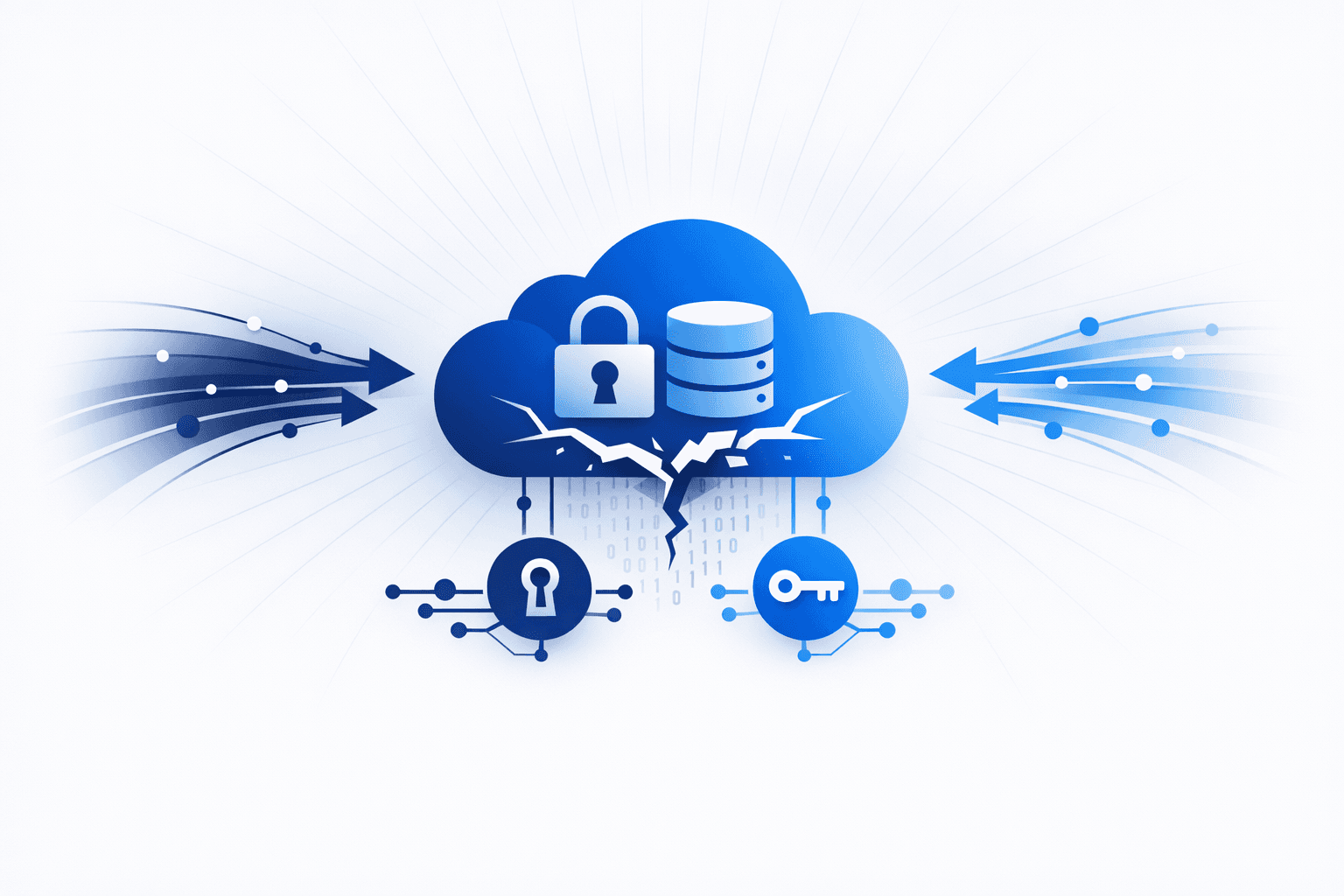
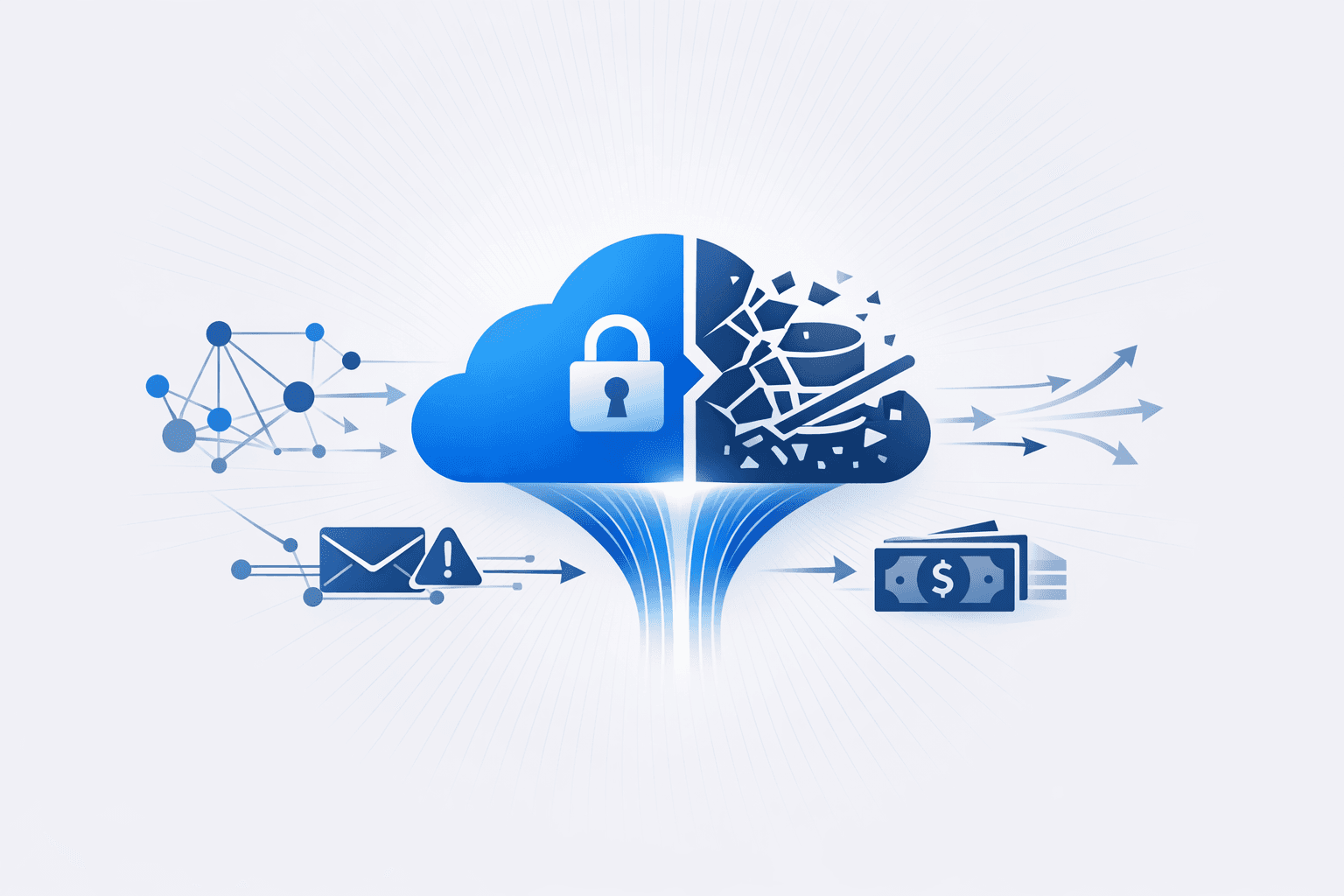
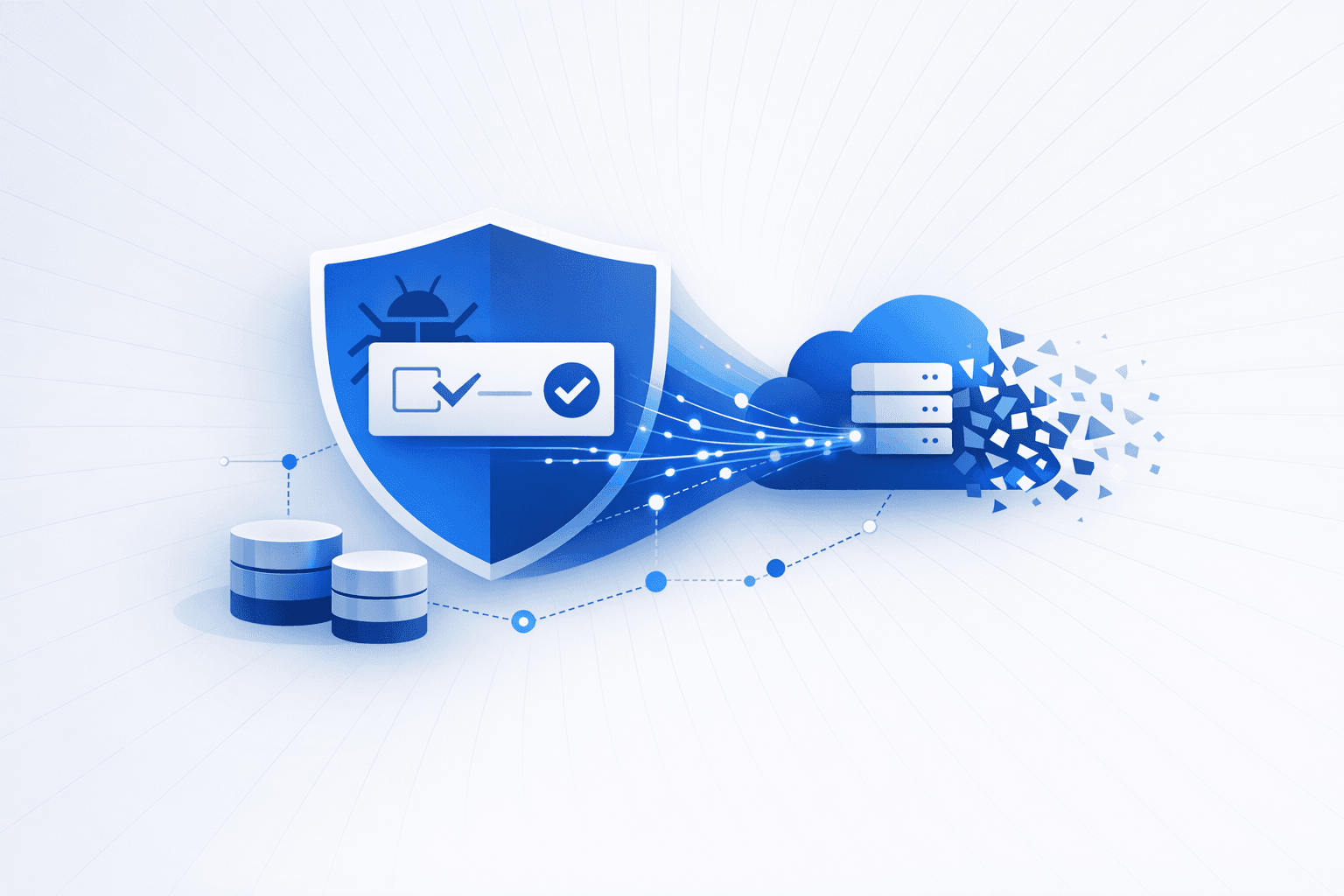
Ransomware groups are increasingly shifting their focus from traditional on-premises systems to cloud infrastructure, specifically targeting backup systems and cloud management credentials. Google’s Security Chief highlighted that attackers are compromising backup data, deleting routines, and altering permissions to prevent recovery and increase ransom leverage, with compromised credentials and misconfigurations being the leading causes of breaches. The threat is particularly acute in regions with uneven digital maturity, such as APAC, where inconsistent security practices make organizations more vulnerable. Investigations have revealed that ransomware actors are now stealing AWS keys to gain access to cloud environments, further complicating incident response and expanding the attack surface. Both Google and security vendors are urging organizations to adopt isolated recovery environments and strengthen cloud credential management to mitigate these evolving threats.
Why it matters
Impact Assessment
- Primary risk: Ransomware operators are expanding from encrypting on-premises assets to disrupting cloud recovery paths by targeting backup platforms, cloud control planes, and privileged credentials.
- Who is affected: Organizations using cloud-hosted backups, AWS environments, and centralized cloud administration accounts are most exposed. Enterprises with hybrid infrastructure are at particular risk because compromise of cloud credentials can affect both production and recovery operations.
- Most exposed populations: Organizations with weak IAM hygiene, overprivileged access keys, poor key rotation, misconfigured backup permissions, and limited separation between production and recovery environments. The story specifically highlights elevated risk in APAC where uneven security maturity may increase exposure.
- Business impact:
- Operational disruption: Attackers can delete or disable backup jobs, alter retention policies, and modify permissions, preventing restoration during a ransomware event.
- Higher ransom pressure: If backups are destroyed or made inaccessible, victims lose their primary recovery option and face greater pressure to pay.
- Broader blast radius: Theft of cloud management credentials can enable access to storage, compute, identity, and logging services, complicating containment.
- Financial and reputational damage: Extended downtime, recovery costs, incident response complexity, and potential regulatory exposure increase materially when backup integrity is lost.
- Scope: This is a broad exposure trend, not a single-vendor isolated issue. Any organization relying on cloud backups or long-lived cloud credentials should treat this as a current defensive priority.
- Exploitation in the wild: The story describes active ransomware tradecraft involving theft of AWS keys and attacks on backup systems. While no specific actor, malware family, or victim list is provided, the activity is presented as an observed and ongoing pattern.