Tether Reportedly Sought 20% Fees to Return Frozen USDT to Some Hack Victims
Emerging Technology Risk · 2 sources · Updated 3d ago · First seen Nov 25, 2026
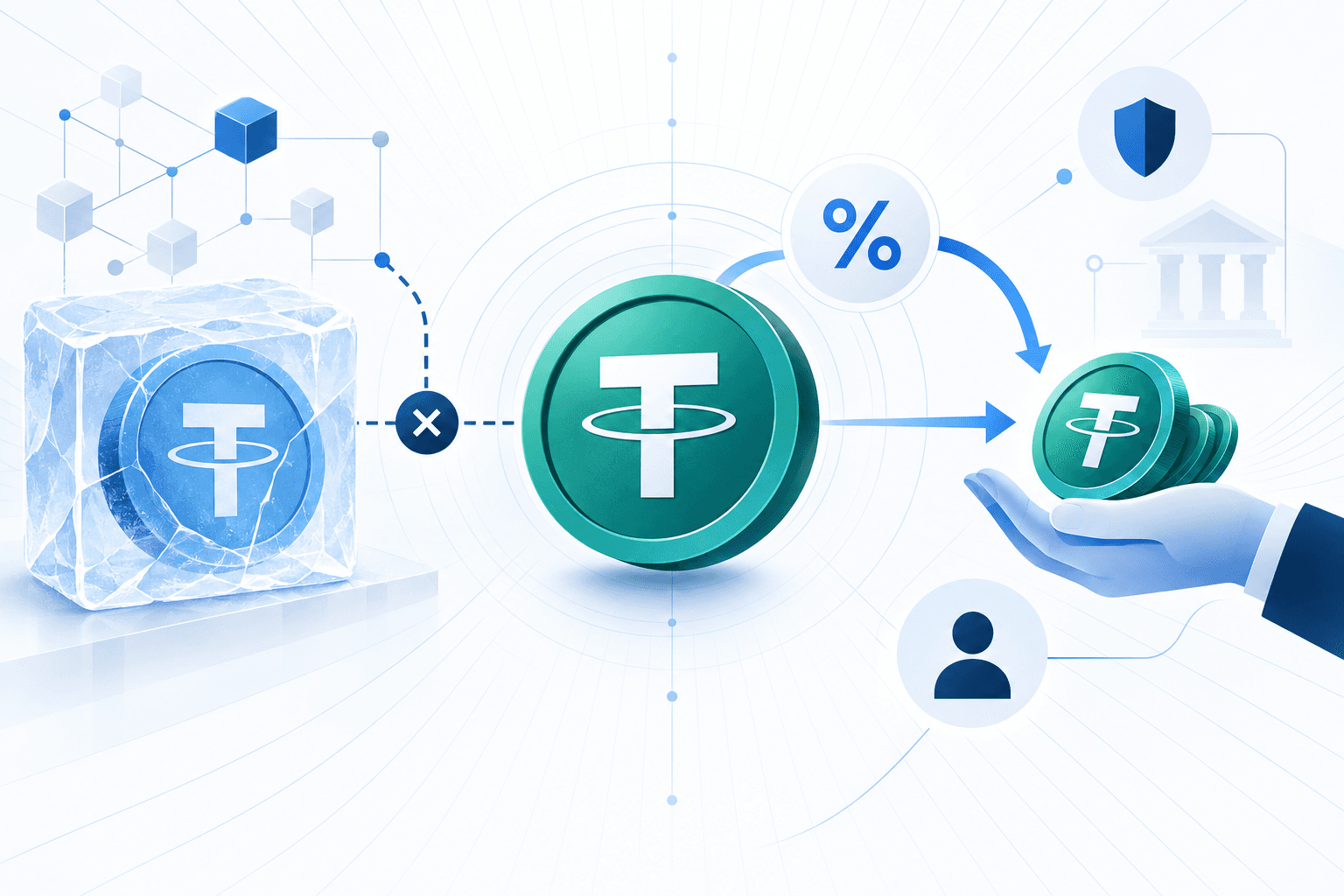
Tether reportedly sought fees of up to 20% from some cryptocurrency theft victims seeking the return of frozen USDT, while some recoveries have remained unresolved for years. Bloomberg reported that Bittok has waited more than five years for frozen funds following a hack. Tether confirmed charging recovery fees, saying they cover reissuance and legal costs, and said it had reissued $1.2 billion in USDT. The reports did not establish an official fee schedule for theft and hacking cases.
CEO Paolo Ardoino attributed phased repayments in civil disputes to legal uncertainty and risk. Although stablecoin issuers Tether and Circle can blacklist stolen tokens, freezing funds does not guarantee prompt restitution, and attackers can limit the effectiveness of issuer controls by exchanging tokens or borrowing other cryptocurrencies. For organizations holding stablecoins, the cases highlight that recovery depends not only on tracing and freezing stolen assets but also on issuer decisions, legal processes and potentially substantial fees.
Why it matters
Cryptocurrency theft victims holding USDT face potential recovery fees and prolonged loss of access even after stolen tokens are frozen. Reports describe fees reaching 20% in some cases and Bittok waiting more than five years, creating liquidity, financial-loss and legal uncertainty; Tether confirms charging recovery fees but the supplied reporting does not establish an official theft-recovery fee schedule. These are reported post-theft recovery problems, not disclosure of a new software vulnerability. The Defiant Xakep
- Industry-specific impact: Financials is specifically affected. Cryptocurrency exchange Bittok reportedly lost $50 million in a 2020 hack and remains unable to recover frozen USDT; Mercado Bitcoin reportedly suspended deposits and withdrawals following another incident. These examples establish financial-services impact, without making exposure exclusive to that sector. Xakep
- Geography-specific impact: Brazil is supported by the reported incident and deposit/withdrawal suspension at Brazilian exchange Mercado Bitcoin. Broader country-specific exposure is not established: Bittok's Singapore location alone does not establish affected operations there, and references to U.S. authorities or Iran-linked funds do not establish affected populations in those countries. Xakep
- Scope and confidence: The recovery issues concern some victims, not a demonstrated universal 20% charge. Tether says it has reissued $1.2 billion in USDT, but that aggregate does not establish recovery timing, fees or outcomes for an individual claimant. Xakep