Critical API Flaws Exposed Traveler Data and Border Decisions in Six Countries
Vulnerability Disclosure · 2 sources · Updated 20h ago · First seen Nov 25, 2026
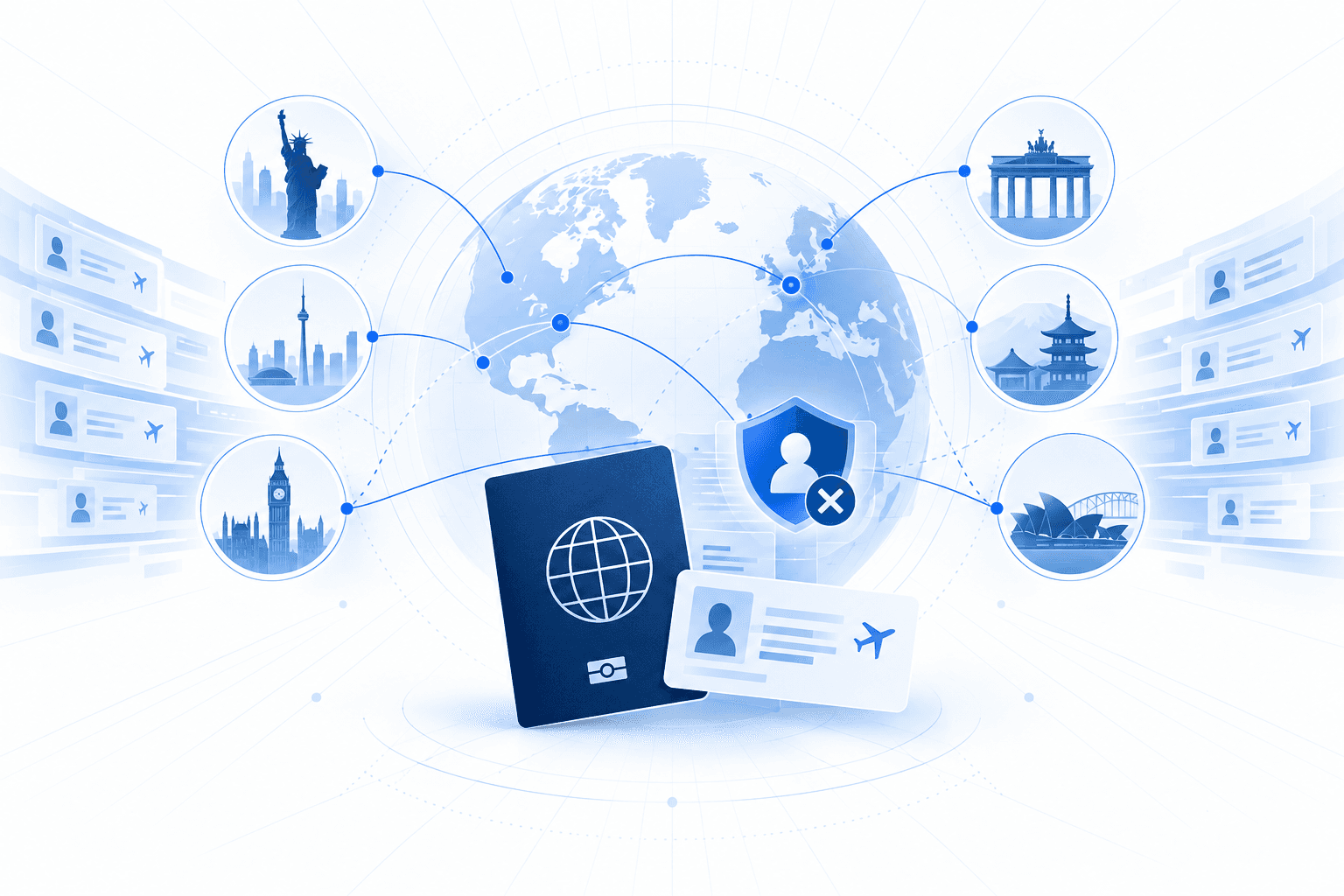
Independent researcher Eaton Zveare discovered critical vulnerabilities in online visa, passport, and immigration platforms serving Nigeria, Ethiopia, Zambia, Sri Lanka, Fiji, and Ghana. Broken object-level authorization, broken function-level authorization, and missing authentication potentially exposed millions of travelers’ records, including biometric and travel information. In some systems, the flaws could also have allowed unauthorized approval or denial of entry, creating risks of border-decision manipulation and physical targeting of travelers. The reports did not establish malicious exploitation.
Zveare said the vulnerabilities were largely fixed as of November 24, with full technical findings scheduled for Black Hat Europe on December 10. Remediation was complicated by unresponsive national computer emergency response teams, although Nigeria responded quickly and direct contact with contractors often accelerated fixes. Zveare attributed the weaknesses to insufficient third-party contractor vetting and, in some cases, over-reliance on AI to build infrastructure. The findings underscore the need for immigration authorities and their suppliers to verify API authentication, record-level access controls, and authorization for privileged border decisions.
Why it matters
Critical API authorization and authentication failures potentially exposed millions of traveler records across six countries’ visa, passport, and immigration systems; some flaws also enabled unauthorized border-decision functions. Potential consequences include privacy loss, manipulation of entry decisions, and physical targeting using travel information, but the reporting establishes researcher-demonstrated access—not malicious exploitation, confirmed theft, or realized physical harm. Most flaws were reportedly remediated by November 24, 2026, without deployment-specific confirmation. Dark Reading
- Industry-specific impact: Government & Public Sector is specifically affected because the vulnerable systems provide national visa, passport, and border-control services. Travelers are the exposed population; generic supplier involvement does not establish separate industry-wide impact on technology companies. SC World
- Geography-specific impact: Nigeria, Ethiopia, Zambia, Sri Lanka, Fiji, and Ghana are specifically affected because the researcher identified vulnerabilities in systems serving those countries. This establishes affected government operations and potential traveler exposure, not confirmed compromise of all travelers or exclusively those countries’ citizens. Dark Reading