Critical Erlang/OTP TLS Authentication Bypass Enables Server Impersonation
Vulnerability Disclosure · 2 sources · Updated 4d ago · First seen Nov 24, 2026
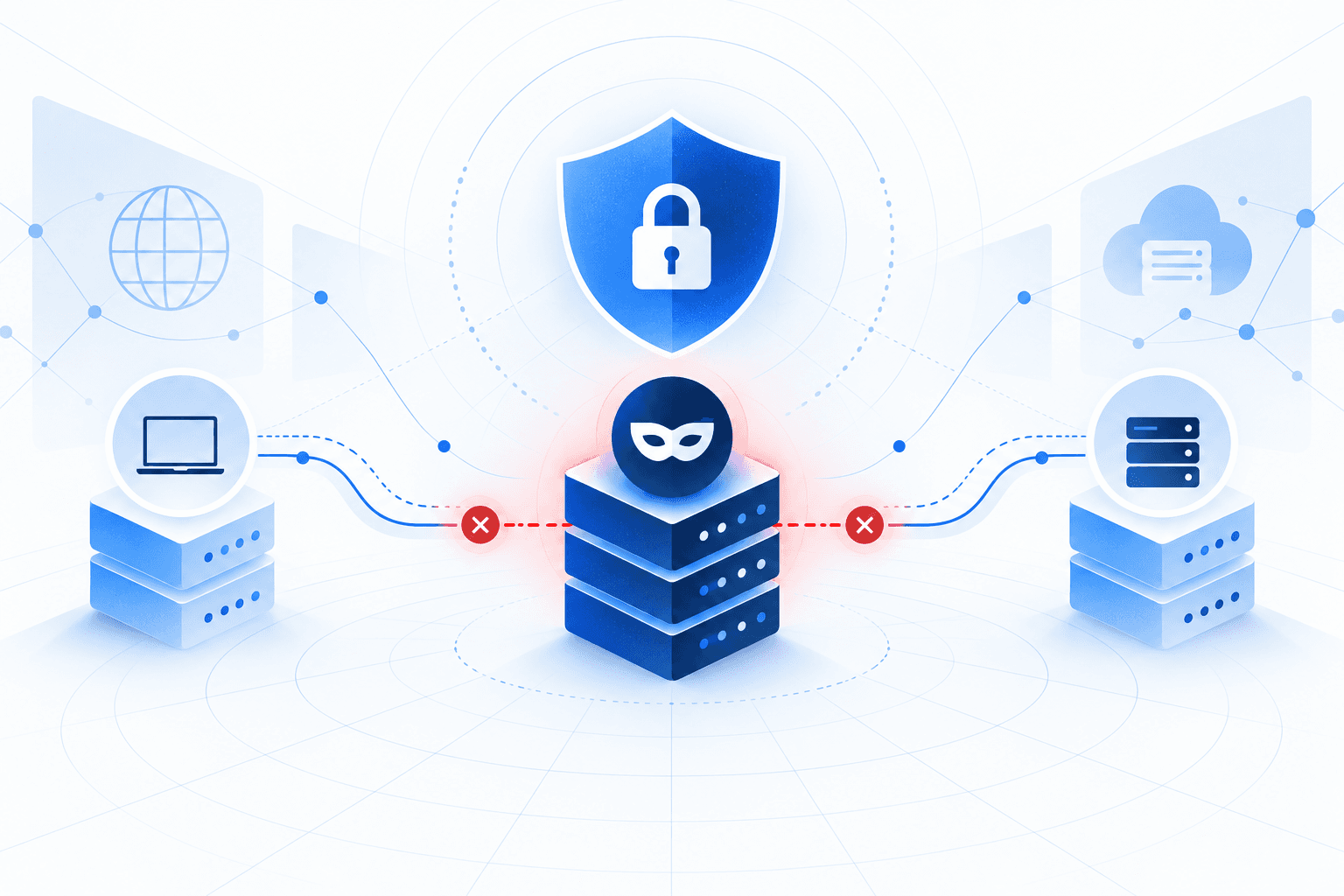
A critical authentication-bypass vulnerability in Erlang/OTP’s ssl application, CVE-2026-124286, allows an on-path attacker to impersonate servers to affected TLS 1.2 and DTLS 1.2 clients. The handshake implementation can accept a missing server certificate and unsigned ephemeral key-exchange parameters, bypassing certificate validation and hostname checks even when peer verification is enabled. Successful exploitation lets attackers read and modify application traffic. The advisory reports a CVSS v4.0 score of 9.1; TLS 1.3 clients and servers are unaffected.
Organizations should upgrade to OTP 27.3.4.14, 28.5.0.9, or 29.0.3, which include fixed ssl versions 11.2.12.10, 11.6.0.8, and 11.7.3, respectively. Where immediate patching is not possible, restricting clients to TLS 1.3 provides a workaround. Limiting TLS 1.2 clients to static RSA key-exchange suites is another option, but carries compatibility constraints and sacrifices forward secrecy.
Why it matters
Erlang/OTP clients using vulnerable TLS 1.2 or DTLS 1.2 configurations face critical server-impersonation risk: an on-path attacker can read and modify application traffic despite enabled peer verification. The affected release history begins at OTP 17.0, creating potentially broad exposure, but exploitation requires a position between client and server; the supplied references describe a proof of concept, not observed exploitation in the wild. TLS 1.3 clients and Erlang/OTP servers are unaffected by this vulnerability.
- Industry-specific impact is not established. Neither reference identifies affected organizations, targeted sectors, or sector-specific exposure; generic Erlang/OTP use does not establish an industry-specific impact.
- Geography-specific impact is not established. Neither reference identifies affected populations, operations, or geographic targeting.
- Business risk: Confidentiality and integrity of affected connections are at stake, including any credentials or sensitive transactions carried over them. The reported CVSS vector does not identify a direct availability impact.
Sources: Erlang Ecosystem Foundation CNA, OSV.