Google Separates Gemini Chat History From AI Training Consent
Regulatory & Policy · 2 sources · Updated 11d ago · First seen Nov 17, 2026
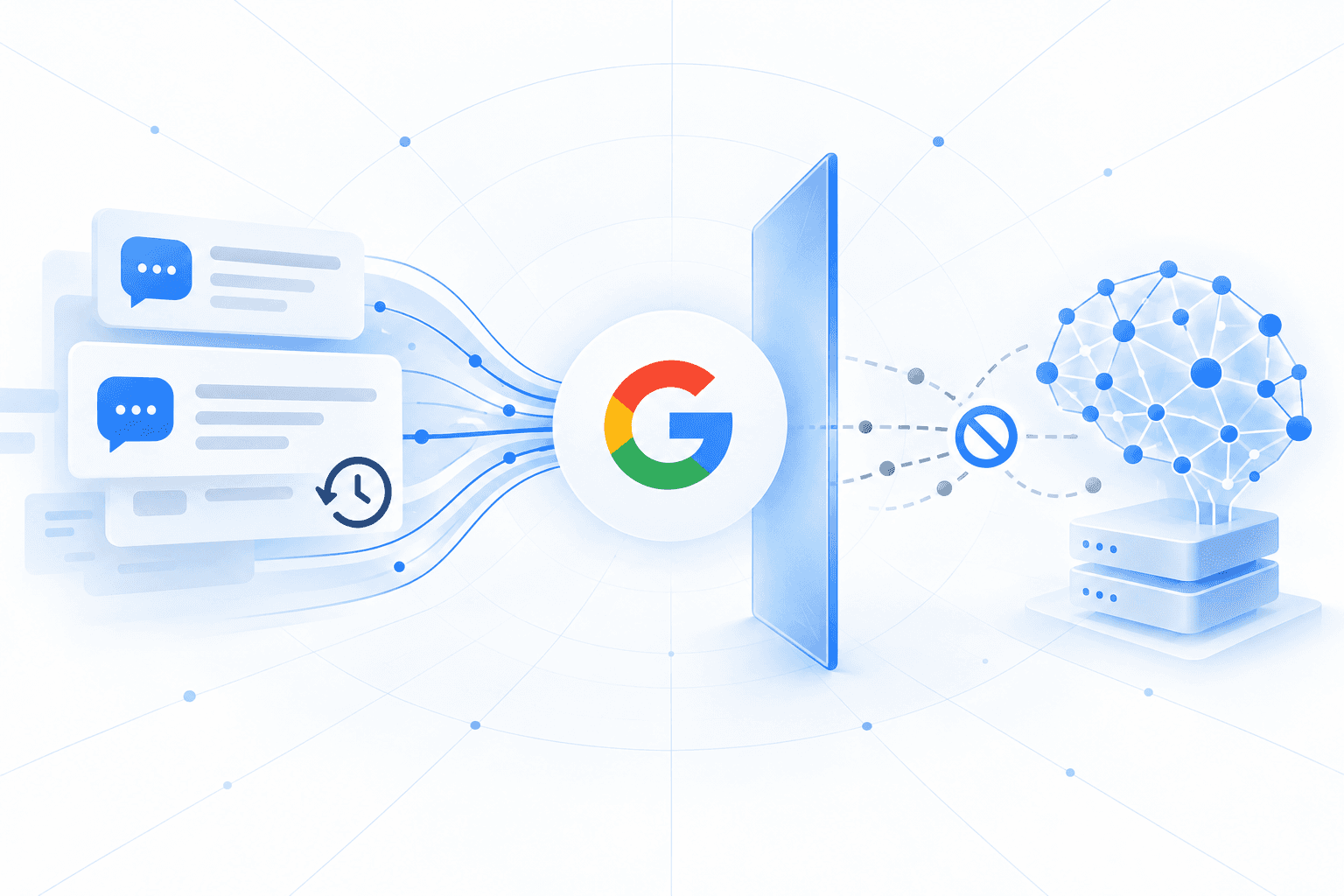
Google is introducing separate Gemini controls for chat-history retention and AI model training, allowing users to keep their conversation history while opting out of training on future chats and attachments. The change replaces the linked permissions under Gemini’s Keep Activity setting with two independent controls. Google notified users by email, with rollout expected over the coming weeks.
Training remains enabled by default, and opting out will apply only to future interactions—not data previously contributed. Ars Technica reports that Google may retain collected data for model improvement for up to three years, and that filtering does not guarantee removal of personal information. Organizations handling sensitive information should review the new training setting when available rather than assume that retaining chat history excludes conversations from model training.
Why it matters
Gemini users will be able to retain conversation history while opting out of AI model training, but training remains enabled by default and opting out covers only future interactions. Organizations whose users submit sensitive information face potential confidentiality, privacy, and data-governance exposure; the supplied reporting identifies no confirmed breach, malicious exploitation, or quantified affected population.
- Industry-specific impact is not established. The reporting describes general Gemini use, not affected organizations or sector-specific targeting or obligations.
- Geography-specific impact is not established. Neither reference identifies affected populations, operations, or jurisdiction-specific requirements in a particular location.
- Scope and persistence: Training inputs can include conversations and attachments. Ars Technica reports potential retention for model improvement of up to three years and warns that personal-information filtering is not guaranteed; these are data-handling risks, not evidence of unauthorized access. Source