Anthropic’s Glasswing Faces Scrutiny Over Finding Quality and Maintainer Burden
Vulnerability Disclosure · 4 sources · Updated 11d ago · First seen Nov 16, 2026

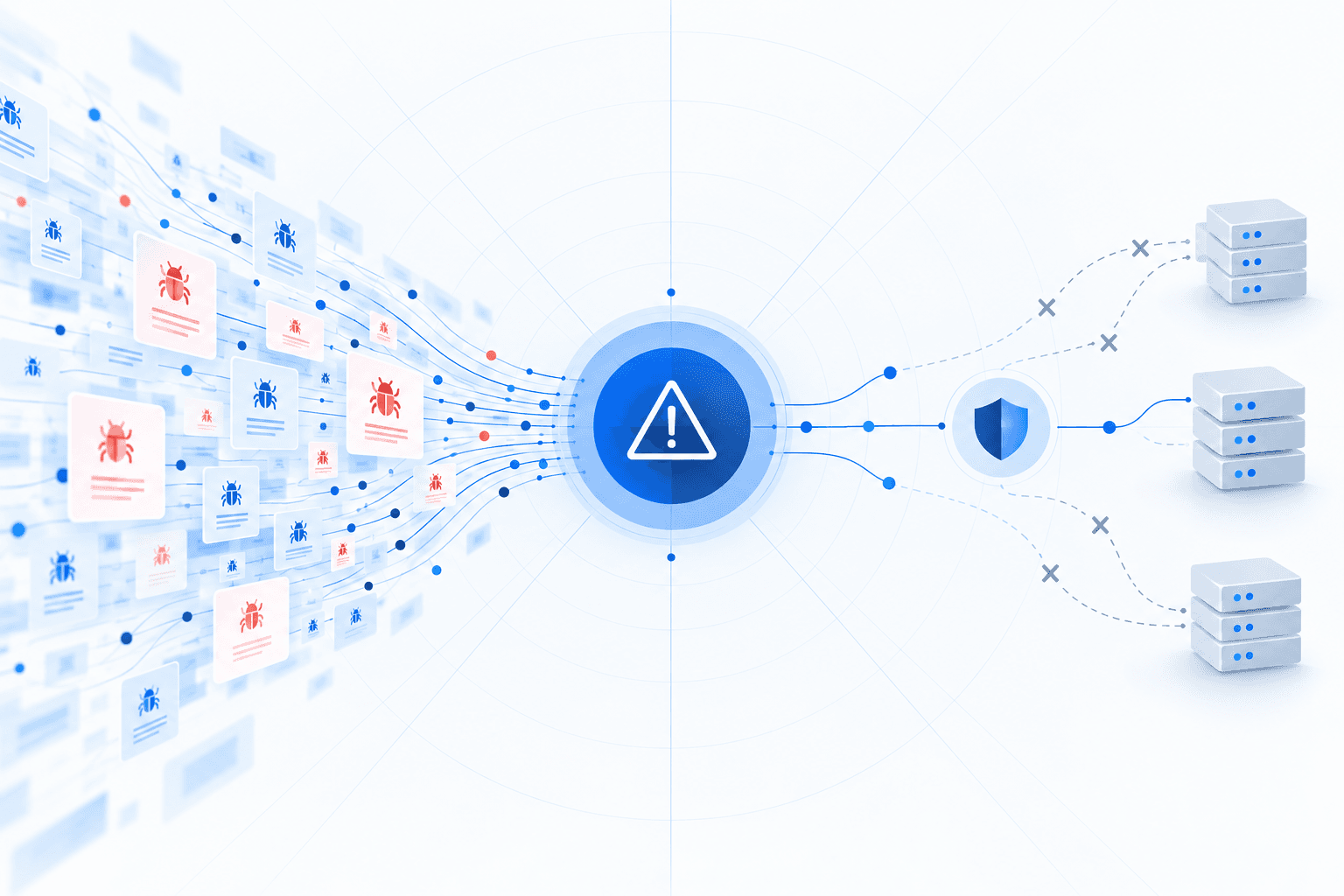
Anthropic’s Project Glasswing vulnerability-discovery initiative is facing scrutiny over the quality of its findings and the validation workload imposed on open-source maintainers. Analyses attributed to VulnCheck and Davi Ottenheimer cited 37,966 dashboard findings but questioned whether Anthropic’s advertised 94.2% true-positive rate reflected broader results; Ottenheimer reported that only 17% of findings had received human review. Feedback from curl maintainer Daniel Stenberg showed that, among 34 published reports, 19 were rejected, six were confirmed as low severity, and nine remained under assessment. The assessments also acknowledged a reported high-severity curl discovery, indicating that concerns about reporting volume do not mean every finding lacks value.
The accounts described substantial gaps between discovery, disclosure, and remediation, although their figures were inconsistent: VulnCheck’s assessment cited 217 findings marked fixed and 7,349 made public, while Ottenheimer’s cited 629 patched findings. VulnCheck reportedly identified 442 Anthropic-attributable CVEs and named CVE-2026-61500 and CVE-2026-26980 as exploited in the wild, but the supplied reporting did not independently substantiate those exploitation claims. For security leaders, the findings underscore the need to distinguish scanner output from validated vulnerabilities and prioritize confirmed impact, affected deployments, exploitation evidence, and available fixes rather than raw discovery totals.
Why it matters
Project Glasswing’s automated vulnerability reporting is reportedly imposing substantial validation work on open-source maintainers, while inconsistent dashboard, disclosure, and remediation counts limit confidence in aggregate quality claims. The demonstrated operational concern is diverted engineering capacity and prioritization noise, not a confirmed widespread compromise; the reporting also identifies a potentially actionable curl vulnerability and two exploitation claims that the supplied material does not independently substantiate.
- Industry-specific impact: Information Technology, specifically software development and maintenance, is supported by concrete reports of triage burden on curl maintainer Daniel Stenberg. One account estimates approximately four hours of review per report across 45 reports, although this estimate is not independently verified. This establishes maintainer workload impact, not compromise of the broader sector. Source
- Geography-specific impact is not established. The supplied content identifies no affected operations, targeted populations, or jurisdiction-specific obligations in a particular country or region.
- Scope and uncertainty: The reported 37,966 findings are not equivalent to validated, exploitable vulnerabilities. Counts of 217 findings marked fixed versus 629 patched findings remain unreconciled, and curl report outcomes cannot establish a program-wide false-positive rate.