FBI Warns Gootloader Compromised Over 1,000 WordPress Sites to Enable Ransomware
Malware Intelligence · 8 sources · Updated 9d ago · First seen Nov 16, 2026
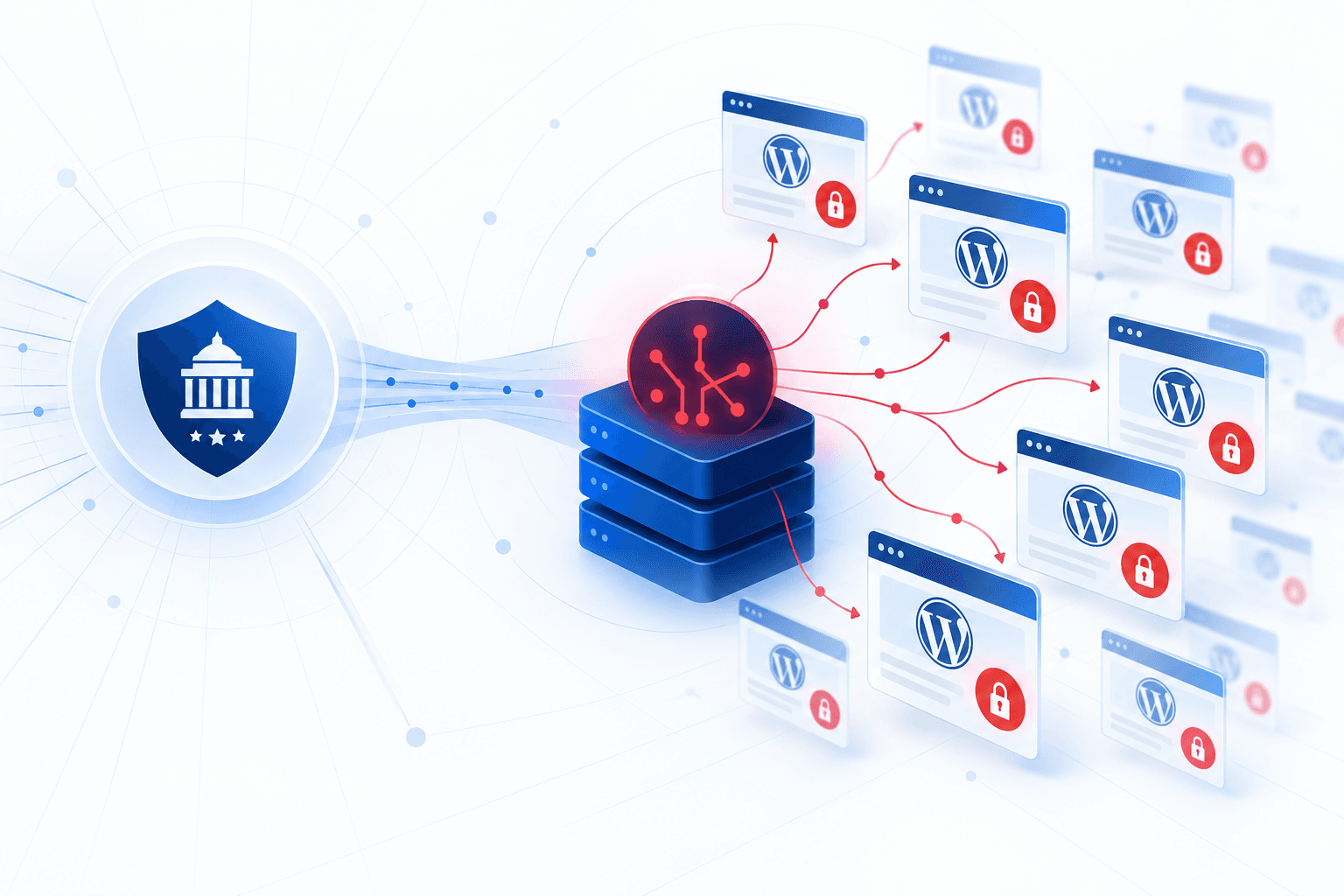
The FBI warned that Gootloader continues to enable ransomware intrusions through poisoned search results and compromised WordPress websites, with 2025–2026 campaigns primarily targeting U.S. legal professionals. Its November 16 FLASH alert identified more than 1,000 infected WordPress sites and 216 administrator-controlled domains as of October 2026, linking the activity to more than $28 million in ransomware payments. Victims searching for legal information encounter deceptive pages offering archives containing malicious JavaScript, leading to in-memory payload execution, credential theft, lateral movement and possible data exfiltration. The warning followed an Operation Endgame disruption, but the alert did not establish whether the listed domains overlapped with seized infrastructure.
Earlier Mandiant research documented Gootloader’s use of Windows Registry-stored payloads and follow-on components including FONELAUNCH, Cobalt Strike BEACON and SNOWCONE. Its payload-reconstruction methods, artifact hashes, infrastructure indicators and YARA rules provide investigative resources for defenders examining suspected infections, although those historical indicators should not be assumed to identify the latest campaign. The FBI recommended hardening WordPress installations, restricting Windows script execution and isolating potentially infected endpoints; security teams should also investigate registry-based payload storage and evidence of credential theft or lateral movement.
Why it matters
Gootloader enables observed ransomware intrusions by compromising WordPress sites and poisoning search results to deliver malicious JavaScript to Windows users, with particular targeting of U.S. legal professionals during 2025–2026. The FBI identified more than 1,000 infected WordPress sites and 216 administrator-controlled domains as of October 2026, associating the activity with over $28 million in ransomware payments; potential consequences include credential theft, domain compromise, data exfiltration, and operational disruption. The November 12 infrastructure disruption does not establish that compromised websites or endpoints are clean, and overlap between the FBI's domain inventory and seized infrastructure remains unresolved.
- Industry-specific impact: Yes—Industrials (20), specifically legal/professional services, is supported by explicit targeting of attorneys, law firm partners, and litigation teams in the FBI advisory. Military & Defense (92) is supported by reported attacks against the U.S. Department of War and Defense Industrial Base in SafeBreach's account of the Justice Department announcement. Legal teams within other businesses are also targeted, but their employers' sectors are not established.
- Geography-specific impact: Yes—the United States is explicitly targeted through the campaign's primary focus on U.S. legal professionals, documented in the FBI advisory. SafeBreach additionally reports at least 44 U.S.-based ransomware victims and at least 25,000 infected computers worldwide since 2018; worldwide exposure does not establish additional country-specific impact.
- Scope and severity: This is an established intrusion operation, not a theoretical exposure. Website owners face unauthorized content, persistent access, and reputational harm, while downstream victims face potentially enterprise-wide compromise; reported historical cases reached domain controllers within 17 hours.