FBI Warns Artex AI Agents Are Automating Intrusions and Credential Theft
Emerging Technology Risk · 38 sources · Updated 8d ago · First seen Oct 3, 2026

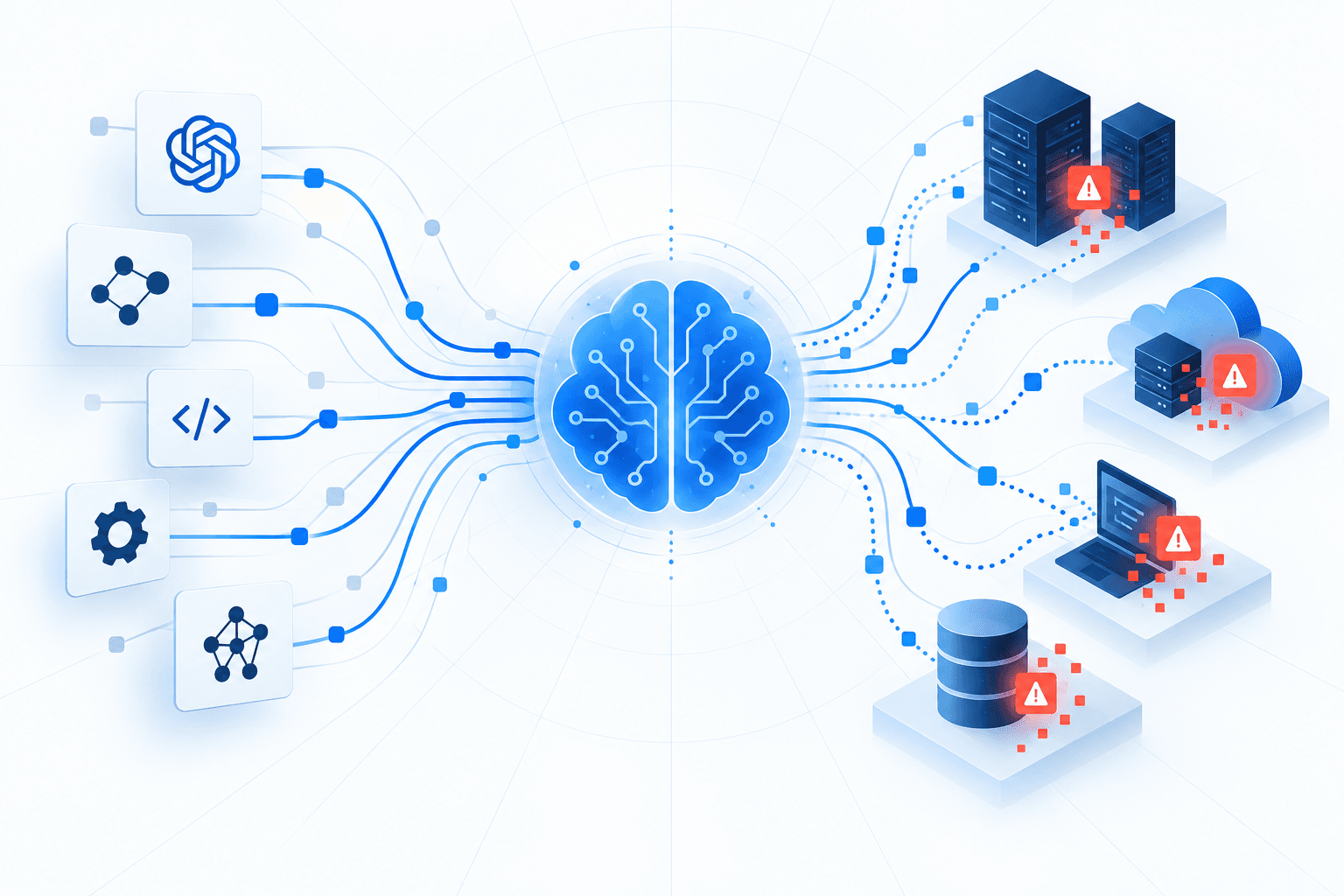
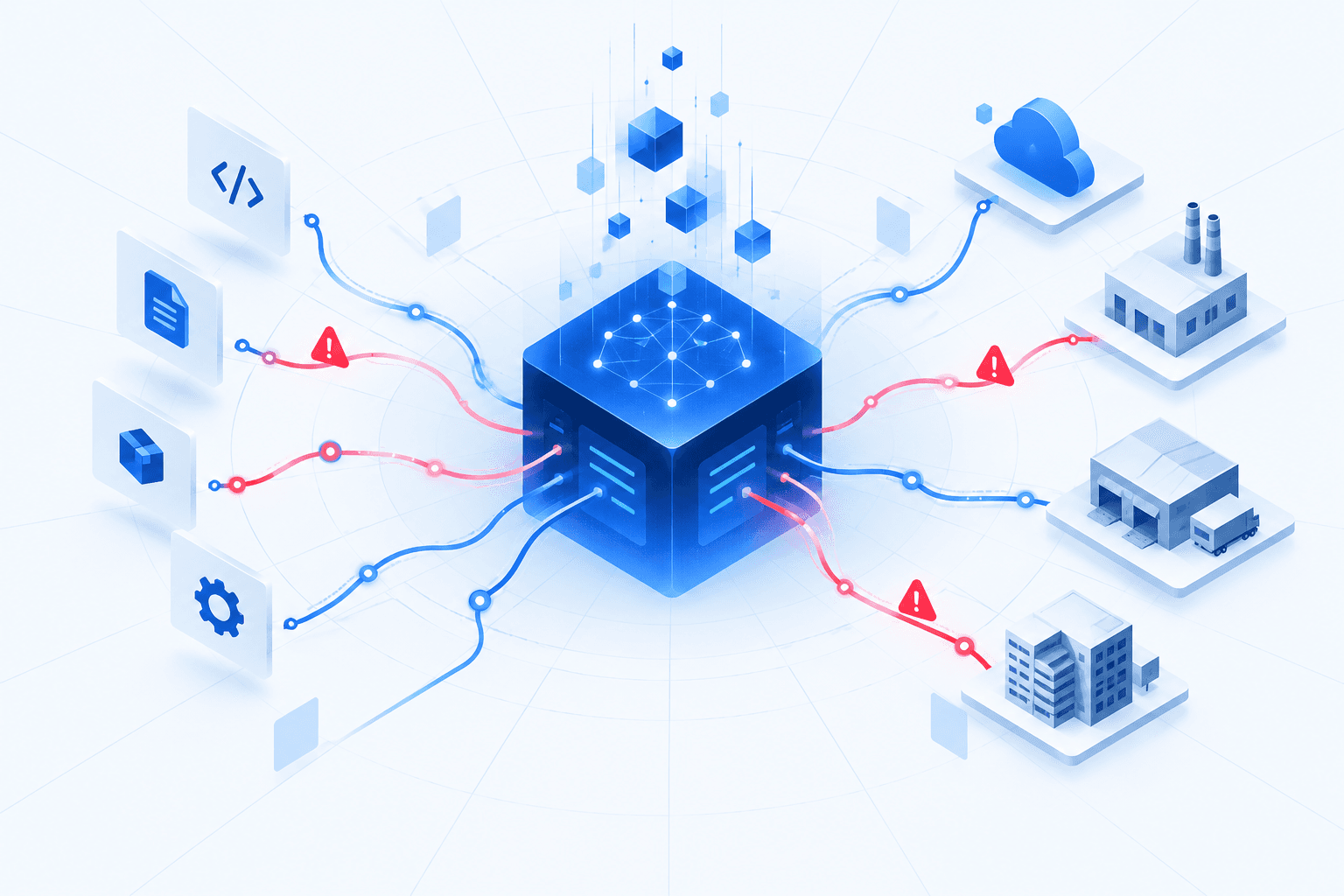
The FBI warned that cybercriminals and nation-state actors are using Artex, an open-source agentic penetration-testing framework, to automate attacks against government agencies and critical sectors worldwide. Artex translates natural-language objectives into commands executed by AI agents, enabling parallel operations with limited supervision; some intrusions reportedly reached privileged access in under three hours. Reported activity includes attacks on South Korean and Japanese financial institutions and a Chinese state-backed supply-chain attack against ConnectWise. Although its original GitHub repository was removed, Artex remains available through forks, archives, localized variants and a commercial version. Censys identified more than 1,600 publicly exposed consoles.
Amazon Threat Intelligence’s MadPot sensors captured AI-agent requests containing campaign histories between October 3 and November 5, 2026. Amazon attributed the campaigns to Artex users and disparate Chinese-nexus threat groups with moderate confidence, but could not independently verify activity outside its sensors or agent-reported outcomes. A prominent campaign targeted internet-exposed AI applications to steal provider credentials, reportedly reusing stolen keys to fund further credential hunting. Another targeted two cryptocurrency exchanges with forged identity documents and real-time deepfakes, but every recorded deepfake liveness-verification attempt failed. The findings underscore the need to patch exposed applications, restrict management interfaces, protect provider credentials, and monitor AI-service usage and spending. Although high-volume agent activity can trigger defensive sensors, its speed can sharply compress response windows.
Why it matters
ARTEX is being used to accelerate established intrusion techniques against exposed applications, compromised identities, and supplier integrations; reported cases reached privileged access in under three hours, materially shortening containment windows. Observed incidents include personal-data theft affecting approximately 67,000 people at South Korean financial institutions and compromised Microsoft 365 environments through ConnectWise application identities, with potential consequences including fraud, cloud-secret theft, persistent access, and unauthorized AI spending. Activity is international and involves multiple operators, but targeting counts, exposed consoles, and agents’ self-reported successes must not be treated as confirmed compromises.
- Industry-specific impact: Yes. The FBI FLASH explicitly identifies targeting of Energy; Industrials, through manufacturing and legal services; Health Care; Financials; Information Technology, including technology and semiconductor organizations; Communication Services, through telecommunications; Government & Public Sector; and Military & Defense. Financial-sector impact is directly evidenced by the South Korean data theft; IT-sector impact includes compromised ConnectWise application identities and the separately reported Barracuda intrusion. Targeting of the other listed sectors does not establish successful compromise in each sector.
- Geography-specific impact: Yes. South Korea has documented financial-sector victims and approximately 67,000 affected individuals (FBI); Japan is identified as a financial-institution target (The Record); the United States is explicitly identified as a country where organizations were targeted (TechCrunch). Broader worldwide and Southeast Asian targeting is also reported, but unnamed countries are not inferred from those descriptions, attacker origins, or console-hosting locations.
- Scope and confidence: Microsoft reported attempted authentication against more than 2,250 downstream tenants, not 2,250 confirmed breaches. BleepingComputer cites Huntress identifying at least 162 compromised tenants. Amazon’s campaign attribution is moderate confidence; activity outside its sensors and agent-reported outcomes were not independently verified, and every recorded deepfake liveness-verification attempt failed.