Poisoned Models and Reclaimed Namespaces Expose AI Coding-Agent Supply-Chain Risks
Emerging Technology Risk · 4 sources · Updated 16d ago · First seen Nov 12, 2026
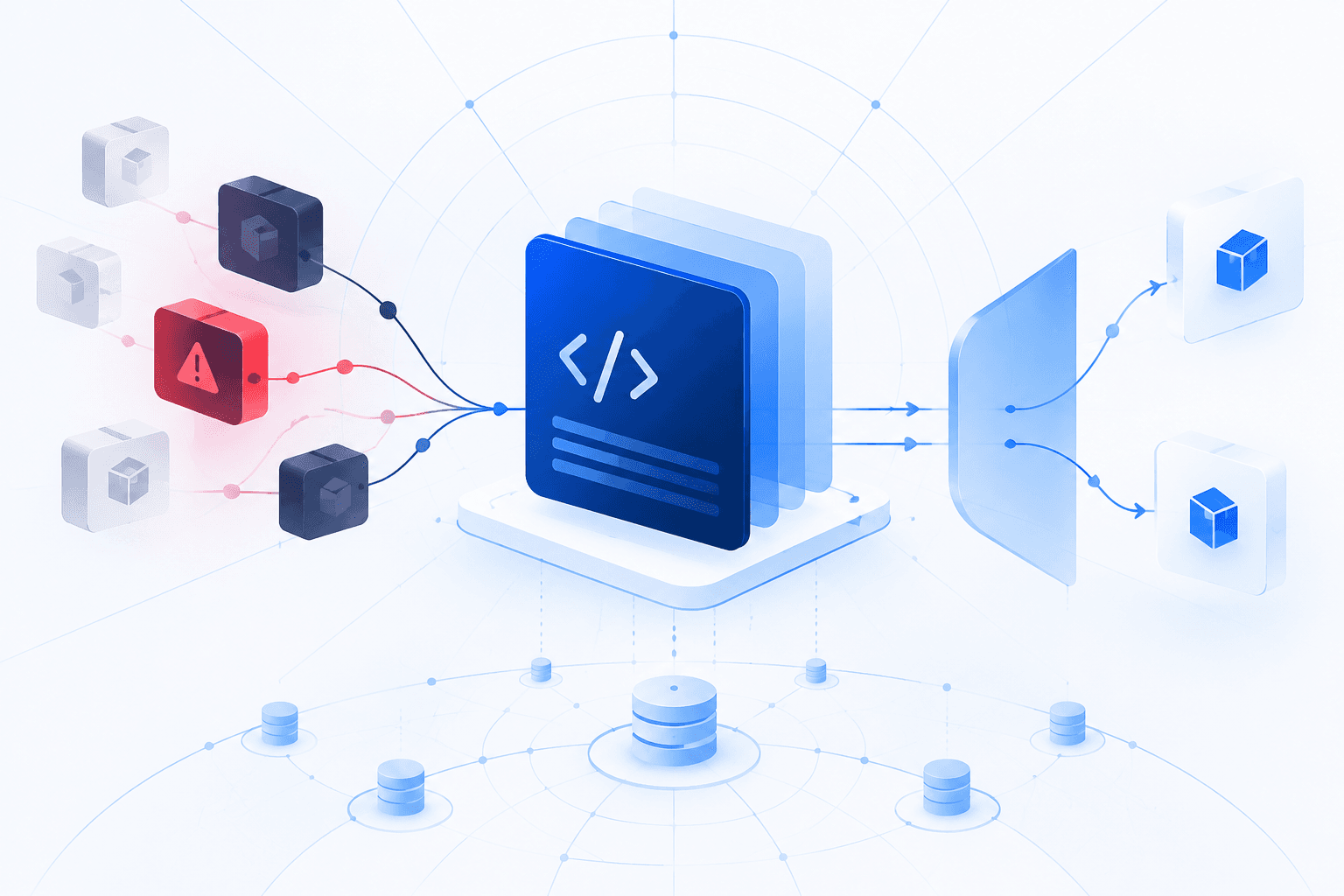
Microsoft Defender Research and the Microsoft AI Red Team demonstrated how poisoned fine-tuning data and attacker-trained model checkpoints can backdoor coding agents into executing malicious tool calls. Poisoning approximately 1% of training examples produced roughly 78% attack success in familiar agent harnesses, though transfer to an unseen harness was limited. Backdoored Qwen3.5 checkpoints achieved 84.1%–94.8% success on unseen repositories and transferred across multiple harnesses. Subsequent reinforcement learning recovered much of their legitimate coding performance without substantially weakening the backdoors. The Kerkoporta research paper reports structured-output backdoors with success rates up to 96.2%, showing how a trigger in an agent’s context can cause an attacker-chosen tool call. These controlled experiments demonstrate that strong coding benchmarks do not establish model integrity.
A separate Unit 42 investigation demonstrated another route into the AI supply chain: reclaiming abandoned Hugging Face namespaces to replace models trusted by name. Researchers deployed models containing reverse-shell payloads through Google Vertex AI and Microsoft Azure AI Foundry, obtaining access to endpoint environments, and identified thousands of open-source repositories referencing reclaimable model names. Google reportedly introduced daily scans to block deployment of orphaned models, but name-based trust remains a broader ecosystem risk. Together, the findings support treating training datasets and checkpoints as security-critical dependencies: pin models to specific commits, retain vetted copies in trusted storage, and audit external model references. At runtime, enforce independent authorization, isolation, and monitoring around tool execution. This containment approach also aligns with the “models as insider risks” argument: model-provider assurances should not substitute for organizational control over sensitive data and mission-critical actions.
Why it matters
Coding-agent adopters and organizations deploying third-party models face potential command execution, credential or data exposure, unauthorized changes, and operational disruption through compromised training data, checkpoints, or reclaimed model namespaces. Controlled experiments demonstrated high backdoor success rates and access to cloud endpoint environments; the supplied evidence does not establish a successful malicious campaign or named real-world victim compromise. Exposure is potentially broad across model supply chains, but experimental success rates are not estimates of compromise prevalence.
- Industry-specific impact is not established. The research demonstrates exposure in coding agents and cloud AI deployments, not targeting or observed compromise of a particular industry; Azure AI Foundry and Google Vertex AI are affected deployment platforms, not evidence of sector-wide victim impact (Unit 42).
- Geography-specific impact is not established. No affected population, operational location, geographic targeting, or jurisdiction-specific obligation is identified.